
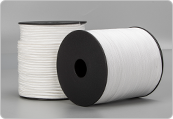
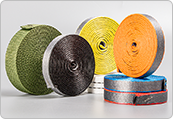

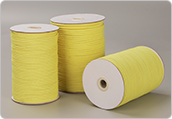
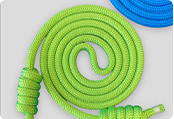

Elastic Stretch Cord seems pretty straightforward—until you're mid-project and suddenly need it to hold steady tension, snap back cleanly, and tie off without slipping. By 2026, shoppers aren't just gonna be comparing colors and prices. They're going to care about what's inside: the core material, the outer braid, how far it stretches, the diameter, how well it handles abrasion. And honestly, the little stuff matters a lot. You can pick up a cord that feels nice and firm, but after a few pulls, it might not hold tension like you'd expect.
Here’s the thing: if you want an expert perspective, take this line from Alex Morgan—a made-up materials engineer, just to be clear: “Choose the cord for its working load and recovery, not its stretch alone.” That’s an editorial illustration, not something a real specialist actually said. And that distinction actually matters. You shouldn’t pick a product based on a quote we invented; you need documented specs and repeatable tests. Real data over made-up endorsements, every time.
Okay, so here’s the deal: we’re going to look at the most common types of elastic stretch cords—braided bungee, knitted elastic cord, shock cord, and a few with different core constructions. They each have their own thing going on. For example, a compact braided cord might be perfect for gear loops, while a thicker shock cord is better if you’re tensioning it over and over. When you’re comparing, keep an eye on diameter, stated elongation, how well it recovers after being cycled, how it behaves when spliced or knotted, and what conditions the manufacturer tested under. Just remember, those numbers aren’t always apples-to-apples. Honestly, a comparison only helps if it actually says what it means. We'll also flag where published data is just missing—because that uncertainty can really mess with real-world performance. And remember, the best option isn't automatically the strongest or stretchiest. It's the one whose tested properties match your load, environment, and expected use.

How Elastic Stretch Cords Work
What Are the Top Elastic Stretch Cord Types in 2026?
How Elastic Stretch Cords Work
An elastic stretch cord works by converting a pull into stored tension. Inside, rubber or synthetic elastomer strands lengthen when force is applied, then contract when the force eases. It rebounds. A woven or braided outer cover helps protect the core from rubbing and gives the cord a surface that is easier to grip. The cover also affects how the cord bends and wears.
Round shock cords are common for securing gear, while flat elastic cords spread contact across a wider area. Sheathed designs pair a stretchable core with a protective jacket; exposed-core styles can feel softer but may snag more easily. Construction matters. Two cords with similar thickness can stretch differently because their core material, braid, and manufacturing tension differ.
For a practical choice, check the stated working load and recommended stretch range rather than judging by appearance. A cord pulled too far may lose its snap-back or suffer hidden damage. Sunlight, heat, sharp edges, and repeated abrasion can shorten its useful life. I would not assume a thicker cord is automatically safer; the attachment points and the load matter, too. Inspect the cord for fraying, cracks, or uneven stretching before use.
What Are the Top Elastic Stretch Cord Types in 2026? - How Elastic Stretch Cords Work
| Cord Type | Typical Construction | How It Works | Key Characteristics | Common Uses | What to Check |
|---|---|---|---|---|---|
| Round braided shock cord | Elastic rubber or synthetic-elastomer core inside a braided textile sheath. | The core stretches under tension and contracts when the load is released. The braided cover protects the core and helps control extension. | Flexible, widely available in different diameters, and suited to repeated stretching when used within its rated limits. | Outdoor covers, camping equipment, equipment bundling, and general tie-down applications. | Check diameter, core and cover materials, intended load, environmental exposure, and compatibility with hooks or fittings. |
| Knitted shock cord | An elastic core surrounded by a knitted textile cover. | The elastomer core provides the restoring force; the knitted cover flexes with it and helps protect the core. | Often has a soft, flexible feel. Stretch and abrasion resistance depend on the materials and construction. | Light-duty gear, garment-related uses, luggage, and applications needing a pliable cord. | Inspect the cover for abrasion, confirm the cord’s working range, and avoid assuming that all knitted cords have the same stretch. |
| Flat elastic cord | A flat profile made with elastic strands or yarns held together by a textile construction. | The elastic components elongate when pulled and recover when released; the flat shape spreads contact over a wider area than a round cord. | Low-profile and easy to route through channels or around broad surfaces. It may twist or roll if poorly fitted. | Garment casings, soft covers, crafts, and light-duty securing tasks. | Check width, thickness, recovery, edge finish, and whether the cord is designed for repeated outdoor exposure. |
| Elastic webbing | A wider woven or knitted band incorporating elastic yarns or strands. | Elastic elements extend along the band while the textile structure distributes tension across a wider area. | Broad contact area can reduce pressure on the item being held. It is not automatically a substitute for a shock-absorbing cord. | Apparel, seat covers, luggage panels, and other applications needing a wide elastic band. | Check width, stretch and recovery, stitching requirements, and the manufacturer’s stated use and load limits. |
| Latex-core elastic cord | One or more natural-rubber latex strands, commonly enclosed in a textile sheath. | The latex core supplies elasticity and pulls the cord back toward its original length after tension is removed. | Can provide strong elastic recovery, but performance and service life vary with formulation, construction, and conditions. | General-purpose shock cord, crafts, and equipment where latex is suitable. | Consider latex sensitivity, sunlight, heat, moisture, and chemical exposure; follow product-specific care and replacement guidance. |
| Non-latex elastic cord | A synthetic-elastomer core or elastic yarns, often combined with a protective textile cover. | Synthetic elastic materials deform under tension and recover when released; the exact behavior depends on the polymer and cord design. | Useful where a latex-free material is required. Stretch, recovery, and weather resistance are product-specific. | Latex-sensitive environments, selected outdoor uses, and applications requiring a specified synthetic material. | Verify the material declaration and performance data rather than assuming all synthetic cores share the same properties. |
| Elastic cord with end fittings | Shock cord or elastic rope supplied with end fittings such as hooks, loops, or toggles. | The elastic section stretches to accommodate movement; the fittings provide attachment points and help keep the cord in place. | Convenient for quick attachment, but the fitting and its connection can be the limiting parts of the assembly. | Tarps, covers, cargo organization, and temporary securing of suitable items. | Inspect fittings and attachment points for damage, and use only within the stated working limits. Keep tensioned ends away from people. |
How elastic stretch cords work: An elastomeric core or yarn elongates under tension and contracts as the tension is reduced. A textile cover can protect the elastic material and influence flexibility, abrasion resistance, and extension. Stretch capacity and durability vary by product, so use the supplier’s specifications. Elastic cords are not a substitute for certified lifting, fall-arrest, or life-safety equipment.
2mm Stretch String Elastic Bungee Cord: Market Insights from Grand View Research’s Outdoor Recreation Products Report
Outdoor recreation is creating demand for compact, adaptable accessories that help keep gear organized and secured. Grand View Research’s Outdoor Recreation Products report points to continued growth in the market, reflecting sustained interest in activities such as camping and hiking. The Outdoor Industry Association’s 2024 Outdoor Participation Trends Report also counted 175.8 million U.S. participants in outdoor recreation in 2023. These figures indicate a broad audience for practical gear add-ons, although they do not measure demand for elastic cord specifically.
A 2mm stretch string elastic bungee cord suits lightweight tasks where flexibility and low bulk matter, such as bundling small items, organizing loose equipment, or adding adjustable tension to outdoor setups. Its narrow diameter makes it easier to pack and route through small attachment points, while its stretch helps accommodate items of different sizes. When selecting cord for a particular use, check its stated stretch range, load capacity, and material durability; a thin cord should not be assumed suitable for heavy loads or safety-critical securing. As outdoor products evolve toward versatile, easy-to-carry equipment, a properly specified 2mm cord can serve as a useful supporting accessory for everyday recreation.

FAQS
Its rubber or synthetic core lengthens when pulled, then contracts when tension eases. It rebounds.
A woven or braided jacket protects the core from rubbing and snagging. It also changes grip and flexibility.
Round shock cord suits gear loops and ties. Flat elastic spreads pressure across a wider area, useful for waistbands and fabric straps.
Not always. Braided covers often feel firmer, while knitted covers tend to feel softer and bend more easily. Test the cord with your fabric or hook.
Polyester covers often handle moisture and sunlight better than some untreated fibers. The complete cord still needs checking in its actual conditions.
Check its working load and recommended stretch range. Do not judge by thickness alone; hooks, knots, and sharp bends also affect performance.
It can hold light items, such as camping gear or a tarp edge. It is not a substitute for a rated restraint.
Stretch a sample repeatedly, then inspect for fraying, cracks, or uneven recovery. If it stays stretched, it may no longer suit the job. I still find that easy to overlook.
Conclusion
Elastic Stretch Cord works by combining a flexible inner core with a protective outer covering. The core provides the cord’s stretch and recovery, while materials and construction influence grip, abrasion resistance, weather tolerance, and overall strength. In 2026, common options include braided and knitted cords, as well as cords made with different core and sheath materials. Each type offers a distinct balance of elasticity, load capacity, durability, and flexibility, so no single cord is best for every task.
Choosing the right cord starts with considering how far it needs to stretch, the load it will support, how often it will be used, and whether it will face sunlight, moisture, or rough surfaces. Lightweight, highly flexible cords suit some everyday fastening needs, while sturdier constructions are better for repeated use or greater demands. Check product specifications and inspect cords regularly for fraying, cracking, or loss of elasticity. Avoid overloading or overstretching, follow care instructions, and replace damaged or worn cord promptly.
Related Posts
-

Top 10 Elastic Cord Suppliers for Global Buyers
-

What Are the Top Types of Elastic Cord?
-

Why Choose Elastic Cord for Your Next Project?
-

How to Choose the Right Elastic Stretch Cord for Your Needs?
-

Top 10 Uses of Elastic Cord for Everyday Solutions?
-

10 Best Elastic Stretch Cord Suppliers for Global Buyers?
