
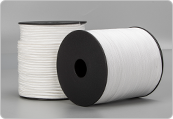
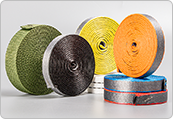

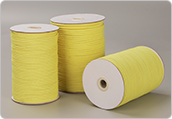
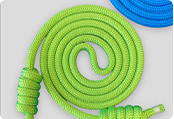

Look, picking a bungee cord manufacturer isn't just about who's cheapest. You really have to dig into the details — how stretchy the cord is, how the outer jacket holds up over time, what kind of end fittings they use, and whether their production is consistent from batch to batch. Plus, you want to see the test documentation, not just hear them say 'trust us.' A cord stretched across a warehouse loading area is dealing with way different demands than one holding your camping gear in place. And honestly, the little stuff? That's where it counts.
Market reports can be helpful for context, but honestly, they don’t usually break out bungee cords specifically. Take Grand View Research’s Industrial Rubber Market report—it covers a much broader sector, so you can’t really treat those numbers as the bungee cord market size. And when it comes to material performance, ASTM D412 and ISO 37 are just test methods for rubber tensile properties. They don’t certify a finished cord or promise how long it’ll last. That nuance is surprisingly easy to miss.
Alright, so this guide takes a look at ten different manufacturers, but not just from their glossy marketing pages. We're asking the real questions here: What materials are they actually working with? Can they hand over clear specs without a runaround? Do they do custom lengths, colors, hooks—that kind of thing? And how do they prove their quality checks actually happen? Honestly, if you're buying in bulk, do yourself a favor: get samples first and test them the way you'd really use them. Pretty catalogues are nice and all, but they don't mean the product will hold up when it matters.
Let's be honest here: this intro didn't come with a real quote from any named bungee cord expert. And I'm not about to make one up—that would just make the whole thing less trustworthy. Same goes for all those vague buzzwords like “premium” materials or “unbeatable durability.” You know? Give me numbers instead. Cord diameter, stretch range, how the connectors are built, what testing was actually done. The supplier who shouts the loudest isn't necessarily the best one. You know, it's the one whose evidence actually holds up when you really start digging into it.

What Bungee Cords Are and Where They Are Used
Bungee cords, also called shock cords, have an elastic core enclosed by a braided or woven protective jacket. Hooks, loops, or plain ends connect the cord to anchor points. Stretch absorbs movement. People use them to hold tarps over camping gear, bundle equipment, secure luggage, and keep covers in place. Outdoor Industry Association’s 2024 Outdoor Participation Trends Report counted 175.8 million U.S. outdoor participants in 2023. That figure describes outdoor participation, not bungee-cord sales. The U.S. Bureau of Economic Analysis reported that outdoor recreation contributed $639.5 billion in value added to the U.S. economy in 2023, or 2.3% of GDP. Together, these reports show the scale of outdoor activity where elastic cords can be useful.
Cord construction and end fittings affect durability and handling. A tight jacket can protect the core from abrasion, while exposed hooks may scratch surfaces or slip from shallow anchor points. Check the cord for cracked fittings, frayed fibers, or loss of elasticity before use. Match its length and stretch to the task, and avoid overstretching it; a released hook can cause injury. They are not restraints. Bungee cords are suited to light, flexible holding, not dependable load restraint during road transport. That distinction is easy to miss when a cord feels firm by hand. Follow the product’s stated limits, and use properly rated tie-down equipment when a load must remain secure.
10 Best Bungee Cord Manufacturers for Global Buyers — What Bungee Cords Are and Where They Are Used
| Bungee Cord Type or Application | Typical Construction | Common Uses | Buyer Considerations |
|---|---|---|---|
| General-purpose shock cord | Elastic rubber or synthetic-elastomer core enclosed in a braided or woven textile cover. | Light-duty securing, camping equipment, covers, and general household tasks. | Check cord diameter, working length, stretch behavior, cover material, and whether end fittings are required. |
| Hook-ended tie-down cord | Elastic cord supplied with hooks or other end fittings; cord and fitting designs vary by intended load. | Securing compatible loads on luggage racks, carts, and other suitable equipment. | Confirm that hooks are securely attached and appropriate for the anchor points. Do not use as a lifting or fall-arrest device. |
| Ball-end bungee cord | Elastic cord with a ball-shaped end stop, commonly used with a loop or opening in a cover. | Attaching tarpaulins, banners, and removable fabric covers to compatible frames. | Match the ball size and cord length to the cover eyelets and frame; allow for movement without excessive tension. |
| Continuous-loop shock cord | Elastic cord formed into a loop, either as a finished product or cut and joined for a specific application. | Bundle retention, equipment organization, and light-duty fastening. | Review loop dimensions, joint construction, elasticity, and the intended frequency of use. |
| Marine-use shock cord | Elastic core with a textile sheath selected for the intended exposure and operating environment. | Light-duty securing and organization aboard boats or near water. | Ask about resistance to moisture, sunlight, salt exposure, and abrasion; performance depends on materials and maintenance. |
| Outdoor and camping cord | Compact elastic cord, often supplied by the metre or with lightweight fittings. | Organizing gear, attaching compatible accessories, and securing non-critical items at a campsite. | Choose a suitable length and cover material, and inspect regularly for cuts, worn areas, or loss of elasticity. |
| Automotive cargo cord | Elastic cord made in a specified length, sometimes with end fittings designed for compatible anchor points. | Light-duty organization of cargo in vehicles where the vehicle and cord instructions permit. | Use only for suitable loads and secure anchor points. A bungee cord is not a substitute for a rated cargo restraint. |
| Industrial or custom-cut shock cord | Cord supplied to requested dimensions, material specifications, or assembly requirements. | Equipment assemblies and production applications requiring repeatable cord lengths or fittings. | Provide the buyer’s required dimensions, tolerances, material preferences, operating environment, and inspection criteria. |
| Small-diameter elastic cord | Fine elastic core with a relatively narrow textile cover; available in different compositions and colors. | Lightweight gear, garment-related uses, crafts, and small equipment organizers. | Verify stretch, recovery, abrasion behavior, and compatibility with channels, toggles, or other fittings. |
| Heavy-duty tie-down cord | Thicker elastic cord or assembly designed for applications requiring a more robust construction. | Suitable light-duty outdoor securing tasks when the product and its fittings are rated for the application. | Do not judge safe capacity by diameter alone. Follow product ratings and instructions, and protect people from recoil if the cord slips or breaks. |
What bungee cords are: Bungee cords, also called shock cords, are elastic cords commonly made with a stretchable core and a protective textile cover. Their stretch and recovery make them useful for certain securing and organizing tasks. Specifications and performance vary by construction, materials, fittings, and intended use. Never use a standard bungee cord for lifting, fall protection, or any application requiring a certified restraint.
How to Choose and Use 2mm Stretch String Elastic Bungee Cord for Lightweight Projects
A 2 mm stretch string elastic bungee cord suits lightweight tasks such as craft projects, small gear loops, and securing fabric covers. When choosing one, check the cord’s stated stretch range, recovery, and recommended working load rather than judging by diameter alone. Measure the gap it needs to span and allow enough slack for movement; stretching it close to its limit can reduce its useful life. The Outdoor Industry Association’s 2024 Outdoor Participation Trends Report estimated that 175.8 million Americans took part in outdoor recreation in 2023, a reminder of how often small, lightweight gear solutions are put to use—but activity figures are not a substitute for load testing.
Before use, try the cord on a noncritical task: stretch it gradually, check that it returns to its original length, and inspect the outer cover for fraying or damage. Secure the ends with a suitable knot or fitting, keeping knots outside sharp bends where possible. Avoid using 2 mm elastic cord to support people, suspend heavy objects, or secure anything where a sudden release could cause injury. For projects exposed to frequent pulling, sun, or moisture, inspect it regularly and replace it if it loses elasticity or shows wear.

FAQS
It has an elastic core inside a braided or woven protective jacket. Ends may have hooks, loops, or no fittings.
They can hold a tarp over camping gear, bundle equipment, secure luggage, or keep a cover in place. Light, flexible jobs suit them best.
Supplier options include 3–12 mm diameters, cut lengths, spools, hooks, and adjustable assemblies. Check the actual measurements before ordering.
Look for cracked fittings, frayed fibers, or reduced elasticity. Match its length and stretch to the task. Small defects matter.
No. They are intended for light, flexible holding, not dependable load restraint. Use properly rated tie-down equipment when a load must stay secure.
Ask for sample lengths, tensile test results, and details about recovery after repeated stretching. Request test conditions too; a number without a method is hard to compare.
Sunlight, moisture, and temperature changes may affect materials. Ask suppliers how their cords perform after exposure, then check samples in conditions resembling your use.
Compare material traceability, color matching, custom cutting, and packaging capacity. Outdoor participation figures suggest a broad use case, but they do not measure cord sales. That distinction is easy to miss.
Conclusion
This guide explains what a Bungee Cord is, how its elastic core and protective outer covering support a range of uses, and what buyers should evaluate when choosing a manufacturer. It outlines practical assessment points, including product consistency, material options, production capacity, customization services, quality-control processes, and the ability to provide relevant compliance documentation. The overview also introduces ten types of manufacturers serving global buyers and describes the product ranges and capabilities buyers may encounter, without focusing on individual brand names.
When comparing suppliers, buyers should consider how well a cord’s length, diameter, hooks, end fittings, color, and packaging can be tailored to the intended application. They should also clarify performance requirements, testing methods, order quantities, lead times, communication, and shipping arrangements before purchasing. A careful comparison of quality, customization, compliance, and supply reliability can help buyers identify a suitable manufacturer and make more informed sourcing decisions.
Related Posts
-

2026 How to Choose the Best Bungee Cord for Your Needs?
-

How to Choose the Right White Bungee Cord for Your Needs?
-

How to Choose the Best White Bungee Cord for Your Needs?
-

How to Choose the Best White Bungee Cord for Your Needs?
-

Why Choose White Bungee Cord for Your Projects?
-

How to Use Bungee Cords Effectively in Everyday Life?
