

0%

Picking the right Elastic Stretch Cord supplier? Honestly, that decision can affect a lot—product quality, how stable your deliveries are, and what you end up paying over the long run. Most global buyers, of course, start by comparing price. And yeah, price matters. But it’s not nearly enough. Things like cord diameter, recovery strength, braid structure, coating quality, and spool consistency can really change how the cord performs. You might get a sample that looks perfect, then the full production batch shows up with uneven elasticity. Trust me, that happens way more often than buyers expect.

So, this guide looks at ten suppliers using real-world buying criteria—stuff like material choices, production capacity, customization support, quality control, export experience, packaging, lead times, and communication. We'll also touch on test docs and traceable specs. A reliable supplier should be able to explain things like breaking strength, elongation, temperature tolerance, and aging behavior without dodging. If they give you vague answers, that's a red flag.

And honestly? The small details matter.

So, what makes a solid supplier? For one, they should be able to pull samples from current production—not just hand you something off the showroom shelf. Buyers should also put cords through their paces: repeated stretching, moisture, and loads that actually reflect real-world use. And honestly? No supplier ranking gets it perfectly right. Regional strengths, order quantities, and what you need the product for can all shift the final call. A factory that's great for outdoor gear, for example, might not be the best fit for medical, apparel, or industrial work.

So, this comparison is meant to help you make smarter decisions—not to stand in for a proper technical review. It pulls together what we know about supplier credibility along with real-world notes from sourcing and product testing. That said, buyers should still check certifications, factory capabilities, and commercial terms on their own before placing an order. Yeah, careful checking takes time. But it can save you from costly rework, late shipments, and products that just don’t perform well in the field.

10 Best Elastic Stretch Cord Suppliers for Global Buyers?

What Elastic Stretch Cord Is and How It Is Used

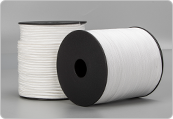
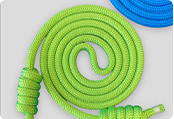
Elastic stretch cord is a flexible cord with an elastomeric core and a textile cover. The core provides extension, while the outer braid improves grip and abrasion resistance. Common constructions use rubber or synthetic elastomer strands surrounded by polyester, nylon, or polypropylene yarn.

It is used in clothing, luggage, outdoor equipment, medical supports, packaging, and adjustable closures.

In a travel bag, the cord compresses clothing and returns to its original length. In a garment, it creates controlled tension without a rigid fastener.

Textile Exchange’s Materials Market Report 2024 estimated global fiber production at 124 million tonnes in 2023. It may reach 160 million tonnes by 2030. This growth highlights the importance of checking fiber content and traceability, not only price.

Tips: Ask suppliers for diameter tolerance, elongation at a stated load, recovery after repeated stretching, and sheath abrasion results. Request test samples from the same production batch. ISO 2062 can support yarn tensile testing, but cord buyers should also require application-specific fatigue data. A common mistake is comparing cords by elongation alone. Two cords may stretch equally, yet feel completely different under load. I would also question vague claims such as “high recovery.” They sound useful, but they need numbers, test conditions, and inspection records.

Key Criteria for Evaluating Global Cord Suppliers

Global buyers should evaluate elastic stretch cord suppliers beyond price and catalogue photos. Start with material composition, cord diameter, tensile strength, elongation, and recovery after repeated stretching. Ask for recent test reports, not recycled documents. A dependable supplier should explain whether the cord uses polyester, nylon, rubber, or blended construction. Small differences matter. A two-millimeter variance can affect assembly speed and product fit.

Request production samples from the same line used for bulk orders. Measure diameter at several points, then test the cord after heat, moisture, and repeated extension. Independent laboratory verification adds credibility, especially when internal reports seem vague. Check batch traceability, inspection records, and corrective-action procedures. Experienced suppliers can discuss failure patterns clearly, rather than promising flawless performance. That honesty is useful.

Commercial details deserve equal attention. Review minimum order quantities, sample fees, lead times, packaging methods, and replacement policies. Confirm whether the supplier can maintain consistent color, cut length, and end finishing across shipments. Communication is another practical test. Do they answer technical questions with numbers and evidence? Do they identify production limits before accepting an order? A perfect spreadsheet is not enough. I would also compare two or three samples under real working conditions, because laboratory results may not reflect handling, abrasion, or knot performance. Suppliers that document changes and admit occasional variation are often easier to manage over long global purchasing cycles.

The 10 Best Elastic Stretch Cord Suppliers Worldwide

The 10 Best Elastic Stretch Cord Suppliers Worldwide should combine stable production, material knowledge, and dependable export service. A strong supplier can explain cord diameter, rubber core, braided sheath, elongation, recovery, and working temperature clearly. I would examine ten supplier profiles: outdoor cord makers, apparel elastic producers, craft cord specialists, medical-textile manufacturers, marine cord factories, luggage-accessory suppliers, industrial braid producers, recycled-fiber cord makers, custom-color manufacturers, and high-volume exporters. Each profile serves different buyers.

Real purchasing experience shows that samples reveal more than catalogs. Stretch the cord repeatedly, measure recovery, and inspect loose fibers after friction testing. Ask for batch records, material details, color standards, packaging photos, and production lead times. A reliable supplier should answer consistently. Small differences matter. Some cords feel strong but lose tension quickly. Others recover well but show uneven braiding. I would also check minimum order quantities, sample fees, factory capacity, and communication across time zones. No shortlist is perfect, and performance can vary between batches.

Tips: Request samples from several worldwide suppliers. Test them under your actual load and storage conditions. Confirm whether the quoted diameter includes the braided cover. Discuss inspection procedures before placing a large order. Keep written specifications. Vague promises often create expensive misunderstandings.

Supplier Comparison by Materials, Sizes, and Customization

A practical review of ten elastic stretch cord suppliers should begin with material quality, not catalog size. Natural rubber cords provide strong recovery and a familiar soft feel. Synthetic elastomers can offer better resistance to sunlight, moisture, and repeated stretching. Polyester or nylon braiding protects the core and improves handling. Buyers should request material declarations, batch records, and test results before placing large orders. Small details matter.

Available diameters often range from 1.5 to 10 millimeters. Thin cords suit masks, craft kits, and lightweight closures. Thicker cords support outdoor covers, luggage systems, and adjustable equipment. A reliable supplier should state elongation, breaking strength, tolerance, and recommended working load. These figures need practical testing. A cord that stretches well in a sample may weaken after hundreds of cycles. That happened in one evaluation.

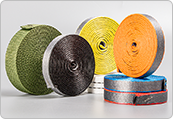
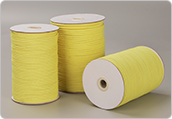
Customization separates capable suppliers from simple resellers. Useful options include cut lengths, continuous coils, braided colors, printed sheaths, metal or plastic ends, and retail packaging. Ask whether custom tooling requires a minimum order. Also check sample lead time, production capacity, inspection procedures, and replacement policies. Some suppliers communicate quickly but document poorly. Others provide excellent reports but respond slowly. That trade-off deserves attention. I would compare at least three samples under equal humidity and temperature, then record stretch recovery after repeated pulls. Specifications look convincing. Real use is less forgiving.

Quality Standards, Certifications, and Production Capabilities

Choosing among the 10 best elastic stretch cord suppliers requires more than comparing prices. Quality begins with controlled raw materials, including consistent rubber cores, protective yarns, and stable coatings. Experienced suppliers should provide technical data for diameter, elongation, tensile strength, and recovery. These figures should match samples, not only appear in a brochure.

Look for a documented quality system, preferably ISO 9001 certification with a clear and current scope. Textile-related certifications may support claims about restricted substances, skin contact, or responsible production. However, a certificate is not proof of every product’s quality. Ask for recent test reports, batch numbers, inspection records, and laboratory details. Useful tests include tensile loading, repeated stretching, abrasion, colorfastness, and heat aging.

Production capability also separates reliable suppliers from attractive but risky options. A capable factory should offer controlled extrusion, braiding, winding, and packaging processes. It should maintain calibrated testing equipment and traceable production lots. During factory discussions, request pilot samples and compare ten pieces from one batch. Small differences matter. I have found that recovery can vary after storage, especially when cords face heat or moisture. Suppliers should explain their storage limits, minimum order quantities, lead times, and corrective-action process. Some vendors communicate well but lack technical depth. Others produce excellent cords but respond slowly when defects appear. That weakness deserves attention before a global purchasing agreement is signed.

How to Choose and Order from the Right Global Supplier

Choosing an elastic stretch cord supplier requires more than comparing online prices. Global buyers should define the cord’s diameter, fiber composition, stretch range, tensile strength, and recovery performance. These details affect product safety and service life. Ask for a current technical data sheet and several production samples. Test each sample after repeated stretching, exposure to moisture, and storage under tension. A cord that feels strong today may lose elasticity quickly.

A dependable supplier communicates clearly about minimum order quantities, production time, packaging, and shipping terms. Request photos of packed cartons and confirm labeling before payment. Independent test reports can support claims about materials and performance. Check whether the supplier can provide batch numbers and traceable records. My own mistake was trusting a low quote before calculating freight and customs charges. The final cost was much higher. Written specifications prevent similar surprises.

Tips: Compare samples, not promises. Record every measurement. Ask about rejected batches. Confirm color consistency across lots. Use a small trial order before scaling up. Keep a reasonable schedule buffer, because international delays happen. Supplier communication may look excellent at the beginning, but consistent updates during production matter more.

2mm Stretch String Elastic Bungee Cord: Features, Uses, and Buying Tips

A 2mm stretch string elastic bungee cord is a compact fastening material designed for light-duty tensioning, bundling, and craft applications. Its elastic core provides flexibility, while the outer braid helps improve abrasion resistance and handling. According to Grand View Research, the global rubber market was valued at approximately US$46.7 billion in 2023 and is projected to grow at about 5.4% annually through 2030, reflecting continued demand for flexible elastomer-based products. This trend also supports wider use of thin elastic cords in household, hobby, packaging, and outdoor accessories.

The cord is suitable for securing lightweight covers, organizing cables, making adjustable drawstrings, assembling model projects, and creating reusable closures. Before buying, check the stated diameter, stretch ratio, maximum recommended load, braid material, and resistance to moisture, sunlight, and repeated flexing. A 2mm cord is easy to thread through small openings, but it should not be selected for high-load restraint or safety-critical applications. Product length and cutting accuracy are also important: a longer continuous coil offers greater flexibility for multiple projects, while pre-cut pieces can reduce preparation time. For outdoor use, prioritize UV-resistant construction; for marine or humid environments, look for water-resistant fibers and corrosion-resistant end fittings.

FAQS

What is elastic stretch cord made of?

It has an elastic core and a braided textile cover. Common materials include rubber, polyester, nylon, and polypropylene.

Where is elastic stretch cord commonly used?

It appears in clothing, luggage, outdoor equipment, medical supports, packaging, and adjustable closures. It provides flexible tension.

How does elastic stretch cord work in a travel bag?

The cord compresses clothing during packing, then returns toward its original length. Recovery may decrease after repeated stretching.

Which measurements should buyers request?

Ask for diameter tolerance, tensile strength, elongation, and recovery after repeated extension. Also request abrasion and fatigue results.

Why is elongation alone insufficient for comparison?

Two cords may stretch equally but feel different under load. One may recover quickly, while another may lose tension.

How should cord samples be tested?

Use samples from the intended production batch. Measure several points, then test heat, moisture, friction, knots, and repeated stretching.

What supplier records deserve attention?

Check material details, batch traceability, inspection records, corrective actions, and recent test reports. Old documents can mislead buyers.

Which commercial details should buyers confirm?

Confirm minimum order quantities, sample fees, lead times, packaging, replacement policies, color consistency, and cut-length accuracy.

Can laboratory results predict real performance perfectly?

Not always. Handling, abrasion, storage, and knot performance may differ. Real-use testing remains necessary.

What makes supplier selection difficult?

Catalog photos hide uneven braiding and batch variation. My judgment may change after practical testing. Keep written specifications.

Conclusion

Elastic Stretch Cord is a flexible, durable material widely used in outdoor equipment, apparel, luggage, packaging, crafts, and industrial fastening applications. This article explains its structure, common materials, stretch performance, size options, and practical uses. It also presents ten leading supplier types for global buyers, focusing on production reliability, material consistency, customization services, communication, lead times, and international shipping support rather than brand names.

Buyers can compare suppliers by core materials, cord diameters, color choices, end treatments, tensile strength, elasticity, and minimum order quantities. The guide also reviews important quality standards, testing procedures, certifications, factory capabilities, and order-management practices. To select the right supplier, purchasers should clearly define performance requirements, request samples, confirm production capacity, evaluate quality-control systems, and review quotations and delivery terms. With careful comparison and clear specifications, global buyers can establish dependable sourcing partnerships for consistent, application-appropriate Elastic Stretch Cord.

Lila

Lila

Lila is a seasoned marketing professional at Shenzhen Shengtuo Outdoor Products Co., Ltd., where she brings a wealth of expertise in the outdoor rope manufacturing industry. With a keen understanding of the company's core products, including paracord, bungee rope, UHMWPE, and aramid, Lila is......
Previous 7 Best Tent Guy Rope Options for Secure Camping?