


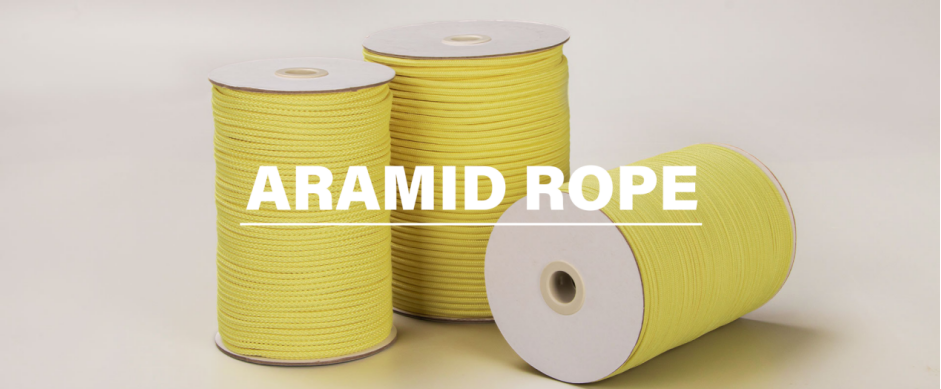
The global industrial landscape is currently witnessing a significant shift toward high-performance synthetic fibers, as traditional steel cables increasingly give way to advanced materials that offer superior strength-to-weight ratios. Within this evolving market, the demand for specialized tension solutions has skyrocketed, particularly in sectors where failure is not an option. For procurement specialists and project engineers, finding a reliable Custom Para Aramid Rope Manufacturer is no longer just about sourcing a product; it is about securing a strategic partnership that ensures operational safety and efficiency in heavy-duty rigging environments. As offshore energy, aerospace, and emergency rescue operations demand more sophisticated equipment, the focus has shifted toward manufacturers who can blend technical expertise with bespoke production capabilities.
Para-aramid fibers, known for their incredible heat resistance and tensile strength, have become essential in modern rigging. However, aramid rope performance depends heavily on manufacturing precision and raw material integrity. A manufacturer’s ability to navigate the complexities of fiber tensioning, braid density, and protective coatings determines whether a rope will withstand the rigors of heavy-duty applications. Today’s industry trends emphasize not only the physical properties of the rope but also the transparency of the supply chain and the ability to provide tailored solutions for niche environmental challenges.
The Strategic Importance of Material Excellence
In the realm of heavy-duty rigging, the choice of material dictates the safety margins of an entire operation. Para-aramid is celebrated for being five times stronger than steel on an equal weight basis, while maintaining excellent dimensional stability across a wide temperature range. When evaluating a supplier, it is essential to understand how they leverage these inherent properties. Shengtuo, a specialized manufacturer with over 16 years of experience in the cord and rope industry, emphasizes the use of high-grade raw materials to ensure that every product meets stringent industrial requirements.
The transition from conventional materials to para-aramid involves a deep understanding of thermal stability. Unlike polyester or nylon, para-aramid does not melt; it begins to char only at extremely high temperatures, making it indispensable for rigging tasks near heat sources or in friction-heavy environments. A competent manufacturer must demonstrate a mastery of these material characteristics, ensuring that the braiding process preserves the molecular integrity of the fibers to deliver a consistent break strength.
Customization: Beyond Standard Specifications
One of the most critical factors in modern rigging is the need for task-specific equipment. Standard off-the-shelf products often fall short when faced with unique architectural constraints or specific mechanical interfaces. This is where the value of a manufacturer’s customization capability becomes apparent. The ability to adjust rope diameter, braid patterns, and integrated terminations allows engineers to optimize their rigging systems for specific load distributions.
Customization is not limited to physical dimensions. It extends to aesthetic and functional features such as color-coding for safety protocols or unique patterns that assist in identifying wear and tear. By offering personalized touches—from custom colors to specialized designs—manufacturers enable clients to align their technical equipment with corporate safety standards or specific operational identities. This level of flexibility is a hallmark of a mature production facility that prioritizes client-specific requirements over mass-market uniformity.
Engineering Reliability Through Skilled Craftsmanship
The production of high-performance ropes is a delicate balance between advanced machinery and human expertise. While high-speed braiding machines ensure consistency, the oversight of skilled craftsmen is vital for quality control. Every inch of a heavy-duty aramid rope must be inspected for consistency in tension and braid angle, as even a minor deviation can lead to premature failure under load.
A dedicated production team ensures that the final product does not just meet but often exceeds industry standards. This commitment to reliability is especially important in outdoor and maritime applications where UV exposure, abrasion, and chemical contact can degrade inferior cords. By employing rigorous testing phases and maintaining high manufacturing standards, a trusted supplier provides the peace of consciousness necessary for high-stakes rigging maneuvers.
Versatility Across Diverse Industrial Applications
The application of para-aramid ropes extends far beyond simple lifting. In the maritime industry, these ropes are used for mooring lines where low stretch is critical for vessel stability. In the aerospace sector, their flame-retardant properties make them ideal for cargo securing. Furthermore, the outdoor and tactical markets rely on these high-strength cords for survival gear and specialized climbing equipment.
Understanding the diverse environments in which these products operate allows a manufacturer to provide better guidance during the selection process. For instance, a rope intended for permanent outdoor installation requires different treatment compared to a rope used for temporary emergency rescue. A supplier with a broad product range—including paracord, bungee cords, and UHMWPE—possesses a cross-functional understanding of fiber science that benefits the development of their aramid line.
The Role of Longevity and Customer Partnerships
In the industrial supply chain, the value of a manufacturer is often measured by the longevity of their client relationships. Exceptional service is not merely about a successful transaction; it involves open communication, technical support, and a commitment to timely delivery. As global logistics become more complex, having a partner who values competitive pricing without compromising on quality is a significant competitive advantage.
Long-term partnerships allow manufacturers to gain deep insights into the evolving challenges faced by their clients. This feedback loop drives innovation, leading to the development of more durable and versatile rigging solutions. When a supplier views themselves as an extension of the client’s team, the focus shifts toward mutual growth and the shared goal of operational safety.
Navigating the Selection Process
When selecting a partner for custom aramid solutions, procurement officers should look for a proven track record. Sixteen years of industry experience provides a manufacturer with a historical perspective on fiber performance and a refined production process that newer entities might lack. It is also important to verify that the manufacturer can cater to a global clientele, as this indicates a capability to meet various international safety and quality regulations.
The transparency of the manufacturing process—from the sourcing of “the finest materials” to the final inspection—is a key indicator of product integrity. Potential buyers should inquire about the manufacturer’s quality management systems and their ability to provide documentation for break strength and material composition. This due diligence ensures that the rigging equipment will perform as expected in the field.
Optimizing Safety in Heavy-Duty Environments
The ultimate goal of choosing a high-quality aramid rope is the mitigation of risk. In heavy-duty rigging, the cost of equipment failure far outweighs the initial investment in premium ropes. By choosing a manufacturer that focuses on durability and reliability, organizations can reduce maintenance costs and prevent catastrophic accidents. The inherent properties of para-aramid, such as its resistance to creep under long-term loads, make it a superior choice for critical infrastructure projects.
As the industry moves toward more sustainable and efficient rigging practices, the role of synthetic fibers will only continue to grow. Manufacturers who stay at the forefront of this technology—balancing innovation with proven craftsmanship—will be the ones who define the future of industrial tension solutions. Whether it is for a specialized outdoor adventure or a complex industrial lift, the reliability of the cordage remains the fundamental link in the safety chain.
The evolution of rope technology has made it possible to achieve feats of engineering that were previously unthinkable. By integrating high-strength materials with custom-tailored designs, modern manufacturers are empowering industries to push the boundaries of what is possible. Selecting a partner who understands the nuances of this technology is the first step toward achieving operational excellence.
For organizations seeking a dependable source of high-performance cordage, choosing a supplier with a comprehensive understanding of outdoor and industrial requirements is essential. The synergy between material science and bespoke manufacturing ensures that every project is equipped with the tools necessary for success. To explore a wide range of durable and versatile rigging solutions tailored to your specific needs, visit https://www.shengtuorope.com/ for detailed product specifications and customization options.
Selecting a rope manufacturer is a decision that impacts the safety and efficiency of every operation. By focusing on quality, customization, and proven expertise, businesses can ensure they are equipped with rigging solutions that stand the test of time and environmental stress. The shift toward advanced synthetic fibers represents a new era in industrial history, where strength and flexibility go hand in hand to support the world’s most demanding projects.
Post time: Jan-20-2026


