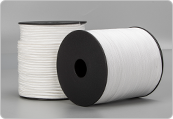
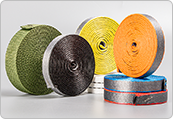
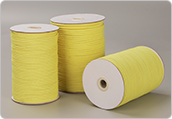
So, you're thinking about buying white bungee cord wholesale in 2026? It's not just about the price per roll, you know. You've got to dig a little deeper – look at the elastic core, the sheath material, how tight the diameter tolerance is, how well it recovers after stretching, the minimum order quantity, and whether the samples match what you actually get. And here's a little tip: that cord might look perfect white under the store's lights, but once you get it out in the sun, you might notice some uneven dyeing or little surface flaws. So yeah, the small stuff really matters.
So, the 2024 Materials Market Report from Textile Exchange shows that we hit 124 million tonnes of global fiber production in 2023, and polyester alone was over half of that—57%, to be exact. That gives you a good backdrop for thinking about fiber supply, but honestly, it's not really a direct estimate for bungee cord market size. You see, White Bungee Cord specs can vary quite a bit depending on how it's made and what it's meant for, so if you're planning to order in bulk, you really want to ask for written material details and get some test samples first. Also, don't forget to ask the supplier how they check elongation and recovery—that's a key thing to know. Hey, one more thing – could you also double-check packaging and lead times? Thanks!
I’ll be honest—there’s one thing I couldn’t quite nail down. I wasn’t able to track down a real, public quote from a named White Bungee Cord specialist, and making one up would just make this guide feel shady. So here’s the deal: treat whatever a supplier tells you as a starting point, not gospel. Ask for the latest technical sheets, get a sample in your hands, and double-check that the spec they quoted is what actually shows up at your door. In this piece, I’ll walk you through where to find wholesale buyers for the cord, what questions you should be asking, and how to size up suppliers without getting tunnel vision on price alone. Sound good? Let’s dive in. I mean, honestly, just doing those small little checks? They really help, you know? It's surprising how much of a difference they make.

What White Bungee Cord Is and How It Is Used
White bungee cord is an elastic shock cord, usually made with a stretchable rubber core and a protective braided jacket. The jacket may use polyester or polypropylene. White is easy to spot against dark equipment and suits clean-looking covers, displays, awnings, and light-duty tie-downs. It stretches. Then it returns. But repeated stretching, sunlight, and abrasion can weaken it over time.
The International Rubber Study Group’s World Rubber Industry Outlook (2024) projected global rubber demand at roughly 15.4 million tonnes for 2024. That figure describes the wider rubber industry, not bungee-cord sales, but it shows the scale of demand for rubber materials. In use, cord diameter, core construction, and jacket weave affect stretch and durability. For wholesale orders in 2026, request samples and confirm the cord’s stated working load; elastic cord is not a lifting sling. A bright white surface can also show dirt quickly, which matters for outdoor installations.
Tips: Measure the actual routing distance before ordering. Test a short sample under the expected load, and check whether it returns to its original length. Small differences between batches can matter. I would not rely on appearance alone.
Which Specifications Matter When Buying White Bungee Cord
When comparing wholesale white bungee cord, begin with its diameter and construction. A 6 mm cord may fit hooks that a thicker cord will not. Check whether the core uses natural or synthetic rubber strands, and ask how the outer jacket is woven. Polyester often handles outdoor exposure better than some alternatives, but actual performance depends on yarn and construction. Ask for written specifications, not just a catalog photo.
Stretch matters. Suppliers may describe elongation as a percentage, but the test method and starting length should be clear. Ask for the recommended working tension and breaking strength, and do not treat them as interchangeable. A cord that stretches too easily can leave a tarp loose; one that is too stiff may strain fittings. Small differences count.
Check diameter tolerance, spool length, color consistency, and jacket resistance to abrasion and sunlight. White cord can show dirt quickly. Request a sample and test it with the hooks and fittings you plan to use. Look for uneven braiding, exposed core strands, or weak end finishing. Even a tidy spec sheet can leave gaps. Before placing a bulk order, confirm packaging, production lead time, and whether the sample matches the production run.
Where to Buy White Bungee Cord Wholesale in 2026?
Compare nominal diameter options when specifying white bungee cord for a wholesale order.
Buying note: Common nominal diameters include 3, 4, 5, 6, 8, and 10 mm. Diameter alone does not indicate safe working load or stretch performance. Before ordering, confirm core and sheath materials, diameter tolerance, elongation and recovery, minimum breaking strength, color consistency, testing documentation, MOQ, and packaging with the supplier.
Where to Find Wholesale White Bungee Cord Suppliers in 2026
Where to Find Wholesale White Bungee Cord Suppliers in 2026
Wholesale white bungee cord is available through cordage manufacturers, industrial textile distributors, and established B2B sourcing platforms. For repeat orders, contact manufacturers directly and ask whether they control the cord’s construction, coating, and final inspection. Distributors may be more practical for mixed sizes or smaller trial quantities. Color matters. White can vary between production batches, especially when suppliers use different yarns or finishes.
Before requesting quotes, define the cord diameter, core material, sheath construction, stretch range, and intended use. Ask for a sample and test it under realistic conditions: pull it repeatedly, check recovery, and inspect the braid for fraying. A low unit price can be misleading if the cord stretches unevenly or arrives with visible stains. One detail is easy to miss: packaging and storage can affect a white cord’s appearance.
Compare suppliers by asking for written specifications, minimum order quantities, lead times, and batch-to-batch quality checks. Request recent product photos and a dated sample when consistent shade matters. A polished specification sheet helps, but it cannot replace testing. Be cautious about promises that lack measurable tolerances. I would also leave room for a second sample; a first approval can feel final, yet real production sometimes differs.
How to Evaluate a Wholesale Supplier Before Ordering
Where to Buy White Bungee Cord Wholesale in 2026?
How to Evaluate a Wholesale Supplier Before Ordering
Before placing a bulk order, request a sample and compare it with your actual use. Check the cord’s diameter, stretch, recovery, and sheath weave. Small details matter. A white outer braid can look even under bright showroom lights but reveal uneven coloring in daylight. Ask for written specifications, including acceptable size tolerances and the supplier’s method for testing elasticity.
A sample is only a starting point. Ask whether production batches are checked for consistent stretch and whether test records are available. If the cord will face sun or abrasion, ask what testing supports those claims; do not rely on vague assurances. Confirm minimum order quantities, production lead times, packaging, and how each batch is identified. Get the agreed specifications in writing before paying.
One easy miss: packaging. Coiled cord can arrive tangled or marked if it is packed carelessly. Ask for a photo of a packed shipment, or request protective wrapping for a trial order. Compare the delivered batch with your approved sample. Even a careful check has limits, and a small trial order may cost more per meter. It can still reveal problems before a larger purchase.
How to Compare Prices, Minimum Orders, and Payment Terms
Where to Buy White Bungee Cord Wholesale in 2026?
How to Compare Prices, Minimum Orders, and Payment Terms
Compare quotations on the same specification, not just the price per metre. White bungee cord can differ in diameter, elastic core, braided sheath, stretch recovery, and UV resistance. Ask each supplier to quote the same length, tolerance, packaging, and test requirements. Request a sample and measure its diameter and stretch under a consistent load. Small differences matter. I still find spool length easy to overlook. A low unit price may reflect shorter rolls, a larger minimum order, or extra freight charges.
Check price breaks at several order quantities and calculate the landed cost, including samples, packing, freight, and payment fees. The World Bank’s 2023 Logistics Performance Index covered 139 economies and assessed factors including shipment tracking and delivery timeliness; use these measures to ask practical questions about dispatch schedules and shipment visibility. Compare deposits, balance-due dates, accepted payment methods, and fees in writing. Atradius’ 2024 Payment Practices Barometer examines B2B invoice-payment patterns, a useful reminder to weigh credit terms against cash-flow risk. A longer payment window can help, but confirm when the clock starts and what happens if goods arrive late or fail inspection. Keep the comparison sheet. It may still miss something.
What to Check for Quality, Shipping, and Delivery
When sourcing white bungee cord wholesale in 2026, ask for a written specification covering diameter, core material, sheath construction, and allowable stretch. Request samples from the production lot, not just a showroom piece. Measure the cord under a stated load, then check how well it returns to its original length. Small details matter. For white cord, compare several pieces under the same light; shade differences can show between batches. Ask whether abrasion, UV exposure, or repeated-stretch tests have been performed, and request the method and results. A claimed stretch percentage alone tells you little about long-term recovery.
Shipping needs the same scrutiny as product quality. UNCTAD’s Review of Maritime Transport 2024 reports that global maritime trade grew 2.4% in 2023, amid continuing pressure on shipping networks. That figure cannot predict one order’s arrival date, but it is a reason to verify schedules carefully. Get production time and transit time separately, plus the named shipping term, carrier, tracking process, and delivery address assumptions. Confirm carton dimensions, gross weight, moisture protection, and lot labels before dispatch. Ask what happens if the shipment misses its agreed window. One weakness in many buying plans is relying on a single estimated date; a modest buffer is safer, though it can tie up cash.
How to Place and Manage a Wholesale Order
When sourcing white bungee cord wholesale, compare suppliers by specifications, not just price. Ask for the cord diameter, jacket material, stretch range, core composition, and stated tolerances. Request a sample before committing to a large quantity. Test it at the same length and load you expect in use, then check how well it returns to shape. Small details matter. White cord can show dirt or shade differences, so ask whether production lots are checked for color consistency. Confirm the minimum order, available spool lengths, packaging, production lead time, and shipping cost in writing.
Place the order with a clear purchase record that names the specification, quantity, unit price, packaging, delivery window, and approved sample. Keep the supplier’s confirmation with your order documents. For repeat purchases, save the lot number and note any differences in color, diameter, or stretch. A simple spreadsheet helps, though it can become outdated when demand changes suddenly. Build in a modest time buffer rather than relying on the earliest quoted dispatch date. When cartons arrive, inspect a few spools from different boxes and record any issues promptly. Don’t assume every batch feels identical. If something is off, photos and measurements make follow-up more useful.
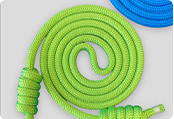
Custom Logo Printed Elastic Cord Bungee Rope: Branding, Performance, and Practical Uses
A custom logo printed elastic cord bungee rope combines everyday utility with a clear, professional presentation. Its stretchable construction helps secure lightweight items while allowing flexibility during handling, and a printed logo or simple graphic makes the cord easier to identify among equipment. The design can be tailored to suit different color schemes and applications, making it a practical option for promotional kits, outdoor accessories, packaging, and organized storage. Product option 2 can be considered for projects that need a branded elastic cord with versatile, general-purpose functionality.
In use, the bungee rope can help bundle gear, hold covers in place, or keep selected items together during transport and storage. Its elasticity provides give when fastening, while the cord’s length and end fittings can be chosen to match the intended task. For a consistent result, consider the required stretch, the weight of the items being secured, and where the cord will be used before selecting a configuration. Clear logo placement and legible printing help the design remain recognizable without interfering with the cord’s practical purpose.
FAQS
Check diameter, jacket material, core composition, stretch range, and stated tolerances. Ask for written details.
A 6 mm cord may fit hooks that thicker cord cannot. Test the sample with your actual fittings.
Ask for the test method, starting length, recommended working tension, and breaking strength. These values are not interchangeable.
Look for uneven braiding, exposed core strands, weak end finishing, and abrasion damage. Check how well it returns to shape.
Not necessarily. Outdoor performance depends on the yarn and construction, so ask for specific details.
Confirm minimum order, spool lengths, packaging, lead time, and shipping cost in writing. Keep the approved sample.
Save the lot number and note changes in color, diameter, or stretch. A spreadsheet helps, but it can become outdated.
Inspect spools from different boxes and record any issues. Photos and measurements help with follow-up. Don’t assume every batch feels identical.
Conclusion
White Bungee Cord is an elastic cord commonly used to secure, bundle, or organize items in packaging, outdoor equipment, and general-purpose applications. Before buying wholesale, identify the required diameter, length, stretch, color consistency, and end fittings, if needed. These specifications help ensure the cord suits its intended use and make it easier to compare products from different suppliers.
In 2026, wholesale buyers can explore manufacturers, distributors, and online business marketplaces, then assess suppliers by reviewing product details, sample availability, communication, and order support. Compare unit prices alongside minimum order quantities, payment terms, shipping costs, and estimated delivery times. Before placing an order, check quality standards, packaging, stock availability, and the supplier’s process for addressing defects or delays. Confirm all specifications and quantities in writing, track the shipment, and inspect the goods on arrival to help manage the purchase smoothly.