
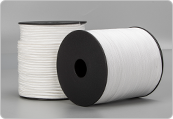
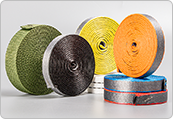

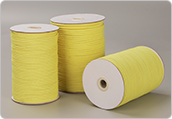
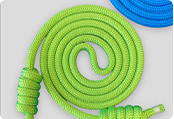

When you're buying bungee straps in bulk, it's not just about getting the cheapest price per unit. Sure, a pallet of them might look identical from the outside, but once you start checking, you'll find differences in cord length, hook finish, or even how well they snap back. And trust me, those little variations can really mess with your return rates, how easy they are to handle, and whether customers come back for more. So yeah, the small stuff counts.
You know, industry reports can give you some context, but they won't tell you exactly how many bungee straps folks are snapping up. The U.S. Bureau of Economic Analysis did report that outdoor recreation contributed a whopping $1.2 trillion to the GDP in 2023—that's 2.3 percent, if you're keeping track. Then the Outdoor Industry Association's 2024 trends report counted 175.8 million Americans getting outside in 2023. So yeah, that all points to a decent market for outdoor gear and stuff. But it's not like a crystal ball for strap sales, you know? It's more like a broad hint, not a guaranteed forecast. That distinction really matters, you know? When you're on a procurement team, the questions that actually matter get pretty down-to-earth. Like, what's the cord's diameter and how long is it really usable? Are those hooks going to rust on you? And does the supplier even bother to document the material specs and keep batches consistent? Honestly, you've got to ask for samples, give the stitching and end fittings a good once-over, and maybe stretch them a few times to see how they hold up. Sure, a neat spec sheet looks nice and all, but it could still miss a weak hook.
Okay, so we're diving into the best picks for bulk orders here. We're looking at durability, how customizable they are, packaging, and whether the supplier is reliable. And we also touch on when elastic straps are fine—and when you really should go with a proper cargo restraint that's rated to handle the load. That cheapest sample might seem convincing at first, but sometimes it's not the smartest buy.

Understanding Bungee Straps and Their Core Components
A bungee strap combines an elastic core, a protective woven sheath, end fittings, and sometimes stitched loops. The core, often natural or synthetic rubber, provides stretch and recovery. The sheath helps resist abrasion and keeps the strands together. Hooks or molded ends transfer force to the attachment point. Small parts matter.
For bulk buyers, inspect the stitching, hook closure, sheath wear, and core exposure on sample straps. ASTM D412 describes tests for vulcanized rubber, including tensile strength and elongation. ASTM D6775 covers breaking strength and elongation testing for textile webbing and related materials. These methods help compare components, but they do not establish a safe working load for every finished strap. Ask suppliers for product-specific test results and clear load guidance.
The risk is easy to underestimate. A published analysis of U.S. Consumer Product Safety Commission NEISS data estimated 16,562 emergency-department-treated bungee-cord injuries from 1991 to 1998. This historical figure is not a current injury rate, but it underscores why secure end fittings and controlled recoil deserve attention. For procurement, check dimensions and material consistency across samples; one weak seam can change the result. I would also recheck batches after delivery. It takes time, but a sample alone may miss variation.
Elastic Luggage Straps Bungee Cord with Hooks: A Simple Way to Secure Your Gear on the Go
Elastic luggage straps with hooks offer a simple, flexible way to keep everyday gear secure while you’re on the go. The stretchable cord adjusts to different loads, helping hold bags, rolled-up clothing, or other travel essentials together. Attach the hooks to suitable anchor points, then tighten the cord to create a snug hold. Its straightforward design makes it useful for travel, errands, and outdoor trips when you want to keep loose items from shifting.
Lightweight and easy to pack, a bungee cord can be kept in a suitcase, car, or day bag for whenever an extra tie-down is needed. Before use, check that the hooks are firmly attached and that the cord is not stretched beyond its comfortable range. Keep the strap away from sharp edges, and position it so it cannot spring back toward you if released. With a few simple precautions, elastic luggage straps can help make carrying and organizing gear more convenient.

FAQS
Fixed-length cords are easy to sort and distribute. Adjustable straps suit loads that vary in size. Compare usable length and stretch range, not relaxed length alone.
Flat straps sit neatly over boxes or bundled tubing. Round cords wrap irregular shapes more easily. They may shift if their ends sit poorly.
Braided polyester or polypropylene jackets can protect the elastic core from abrasion. Core composition affects stretch and recovery. Ask for test data and working-load guidance. Appearance alone is not enough.
Coated metal hooks are sturdy, but exposed edges can scratch surfaces or catch fabric. Molded hooks are lighter and may be gentler. Ball ends fit tarp eyelets, but they do not replace every hook.
Use samples on actual rails, bins, or equipment. Stretch them repeatedly and check for sagging. Try the fittings with gloves on. Feel matters. A small test batch helps, though it cannot predict everything.
Compare cord diameter, relaxed length, hook material, stitching, and working-load guidance. Request a sample from the production line. A showroom sample may not reflect daily handling.
Request a written quote covering packaging, sample fees, freight, tooling, and reorder terms. Compare delivered costs for the same order size. Ask how long the quote remains valid. Shipping costs can change.
Custom colors, printed sleeves, and tailored lengths can help workers identify straps quickly. They may also change minimum quantities and lead times. Not always worth the trade-off.
Conclusion
Choosing the top Bungee Straps for bulk purchasing starts with understanding how their cores, outer coverings, and end fittings work together. Compare strap styles and materials for the intended use, then consider load capacity, stretch range, and resistance to sun, moisture, and temperature changes. A strap that performs well in one setting may not suit another, so match its features to the goods being secured and the conditions in which it will be used.
When evaluating suppliers, look beyond unit price: check consistency across large orders, available sizes, customization options, and clear product specifications. Quality checks and appropriate safety guidance can help buyers select dependable straps and reduce the risk of unsuitable use. Consider storage needs too; keeping straps clean, dry, and away from damaging conditions can help preserve their elasticity and service life. Together, these factors support a practical, well-informed bulk-buying decision.
Related Posts
-

How to Choose the Right White Bungee Cord for Your Needs?
-

What is Amsteel Rope and How It Revolutionizes Your Outdoor Experience
-

The Science Behind Bungee Cords: How Elasticity and Tension Shape Our Outdoor Adventures
-

Top 10 Elastic Cord Suppliers for Global Buyers
-

China Top Braided Nylon Rope Suppliers for Global Buyers?
-

Top Paracord Bracelets for Survival Gear What to Look For?
