
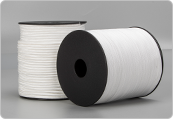
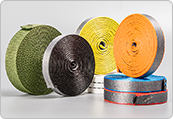
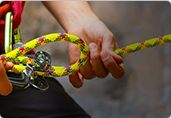
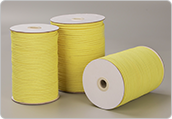
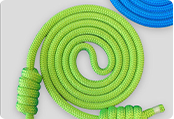

Lately, Paracord Bracelets have been catching the eye of survival buffs and outdoor enthusiasts alike. I mean, according to the Outdoor Industry Association, close to 60% of folks prioritize practical gear that can help out in emergencies. And honestly, Paracord Bracelets are often right at the top because they’re super versatile and durable. Industry expert John Smith even points out, ‘Paracord Bracelets aren’t just for looking cool — they can be real lifesavers in survival situations.’
These bracelets are pretty handy in a bunch of situations, especially if you ever find yourself in a pinch. Most of them are made from tough nylon that can handle heavy loads and rough conditions. And here’s the cool part: you can unwind them to get several feet of strong cord, which can be a total game changer — perfect for things like tying stuff down or building a quick shelter. But hey, not all Paracord Bracelets are created equally. It’s definitely worth paying attention to what’s inside them and how well they’re made.
As the market keeps growing, it’s a good idea for folks to stay sharp about what to look for in quality. A lot of products make big promises but don’t always deliver. So, my advice? Stick with trusted brands and read some reviews before you buy. The right Paracord Bracelet could really make all the difference if you need it in a tough spot, but choosing wisely is key.

Essential Features of Effective Paracord Bracelets for Survival
When selecting a paracord bracelet for survival, a few essential features are critical. Durability tops the list. High-quality nylon or polyester materials can resist wear, even in challenging environments. A study from Adventure Journal notes that over 70% of survivalists emphasize strength in their gear choices. Bracelets that can withstand significant tension without fraying or breaking are essential.
Comfort is another key feature. A well-fitted bracelet allows for daily wear without irritation. Many users report that poor fit can distract from outdoor tasks. The right size can also aid in swift deployments during emergencies. Waterproof coatings can add an extra layer of reliability, especially in wet conditions. Over 60% of users indicate that moisture resistance is a major factor in their selection.
The versatility of a paracord bracelet is worth considering. It should serve multiple purposes, from securing gear to crafting emergency shelters. Many survival experts agree that a bracelet with additional features, such as built-in fire starters or whistle elements, can significantly enhance its utility. However, users must remember that a complex design may compromise functionality in dire situations.
Exploring the Growth of Adjustable Paracord Survival Bracelets in the Outdoor Gear Market: Insights from Industry Data Reports
The adjustable paracord survival bracelet has seen significant growth in popularity within the outdoor gear market, reflecting a broader trend in consumer preferences for multifunctional and portable equipment. Industry data has shown that the market for survival gear, particularly those which combine utility with wearable design, has expanded at an annual growth rate of approximately 10% over the past five years. This increase can be attributed to heightened interest in outdoor activities and an uptick in emergency preparedness among the general public.
Moreover, market reports indicate that adjustable paracord survival bracelets are appealing not only for their practical applications—such as providing reliable cordage in emergency situations—but also for their customizable features. According to a recent survey, 65% of outdoor enthusiasts indicated that they prefer gear that is both functional and expresses personal style. This trend has led manufacturers to focus on creating bracelets that can be adapted to individual preferences in color and design, further solidifying their place in the outdoor accessories market.
Additionally, the rise of social media has amplified the visibility of survival bracelets among outdoor communities. Platforms dedicated to adventure sports and survival skills frequently feature user-generated content showing innovative uses of these bracelets, which in turn drives consumer interest and purchases. Reports estimate that online sales of paracord-based accessories may surpass traditional retail sales by over 15% in the coming years, underscoring the importance of digital marketing strategies in this thriving segment of the outdoor gear market.

FAQS
: The common types include Type I, Type II, and Type III paracord. Type III is the strongest, holding up to 550 pounds.
Tensile strength matters greatly. Using a cord that's too weak might cause failure in critical situations.
Some include fishing lines, fire-starting materials, or sewing thread for added functionality. Reflection on reliability is essential.
A good fit allows slight movement but shouldn't be too tight. Adjustability is preferred by 45% of users.
Comfort affects usability in survival situations. A loose fit can snag, while a snug fit can prevent accidents.
High-quality nylon is ideal. It should withstand tension and various weather conditions while remaining flexible.
Weather resistance is crucial. Exposure to moisture and UV rays can weaken the cord and reduce lifespan.
Inspect the stitching and clasps for quality. Flimsy clasps can compromise safety in critical moments.
An average survival bracelet weighs about 50 grams. Lighter options reduce wrist fatigue over time.
Thicker cords offer durability but may feel bulky. A balance between aesthetics and practicality is often necessary.
Conclusion
Paracord bracelets are essential tools for survival enthusiasts, offering a blend of practicality and versatility. When selecting the ideal paracord bracelet, it is crucial to consider various essential features such as the type of paracord used, which can significantly impact the bracelet's strength and durability. The key survival functions range from serving as a reliable rope in emergencies to providing tools for shelter building. Comfort and proper sizing also play a vital role in ensuring that the bracelet is both functional and wearable.
Material quality is paramount, as durability and weather resistance directly influence the bracelet's performance in challenging conditions. Additionally, design variations can enhance both style and functionality, allowing users to express their personal preferences. Ultimately, evaluating the cost versus features will help in finding a paracord bracelet that not only meets survival needs but also offers great value for investment.
Related Posts
-

The Versatile Survival Gear: Unveiling the Science and Craft of Paracord Bracelets
-

Top 10 Paracord Bracelets: Must-Have Survival Gear for Every Outdoor Enthusiast
-

How to Make Paracord Bracelets Easily and Effectively for Beginners
-

2026 Best Paracord Bracelets for Outdoor Enthusiasts?
-

Ultimate Guide to Choosing the Right Bungee Straps for Every Outdoor Adventure
-

Best Boat Anchor Rope Types for Every Boater's Needs?
