0%

A secure campsite? It's not just about having a tough tent fabric. I mean, sure, that helps, but it really comes down to how your shelter handles wind, rain, uneven ground, and all that repeated tension. That's where Tent Guy Rope comes in—it helps move that force from the canopy to solid anchor points. And trust me, a loose line can lead to flapping, stress on your poles, and some pretty miserable nights.

Outdoor recreation is still a big deal. In fact, the Outdoor Industry Association’s 2024 Outdoor Participation Trends Report found that 175.8 million Americans took part in outdoor recreation back in 2023. And KOA’s 2024 North American Camping Report? It showed camping demand is still going strong across all kinds of households and trip styles. But here’s the thing: more campers usually means more crowded sites, weather that won’t cooperate, and a lot more pressure on even the simplest gear choices. Sometimes even a tiny line matters more than you’d think.

So, this guide looks at seven practical tent guy rope options for keeping your camp secure. We’ll go over things like rope material, how visible it is (especially if it reflects), adjusters, stretch, knot-holding, and how it handles wet weather. If you’re backpacking in calm conditions, a lightweight accessory cord might be all you need. Around a family tent after dark, though, a thicker reflective line can just feel safer. Nylon has good stretch, but polyester tends to hold tension better when things get damp. Honestly? There’s no one-size-fits-all winner here.

Yeah, that's the awkward bit. A fancy rope won't save you if your stake is weak or your anchor angle is off. And I've learned the hard way that "easy adjustment" can sometimes just mean it slips when there's a lot of tension on it. So my recommendations try to blend what the manufacturers say with what actually happens at a real campsite. I lean on REI's guidance, ASTM outdoor-equipment practices, and some field comparisons to shape the evaluation. After you set things up, check the line. It's the little stuff that counts.

7 Best Tent Guy Rope Options for Secure Camping?

Understanding Tent Guy Ropes and Their Role in Camping Safety

Understanding Tent Guy Ropes and Their Role in Camping Safety

Tent guy ropes are more than spare cords. They transfer wind force from the tent body to stable ground. The Outdoor Foundation’s 2024 participation report recorded 57.8 million U.S. camping participants in 2023. More campers mean more varied sites, weather, and setup mistakes.

I prefer reflective braided polyester for general camping. It stays visible near a headlamp and resists moisture better than many natural fibers. Adjustable tensioners make fine control easier. Shock cord can reduce sudden strain, but it should not replace a properly tensioned main line. For soft soil, use wide, angled stakes. In rocky ground, choose attachment points carefully.

Wind changes quickly.

The International Organization for Standardization’s ISO 5912:2022 standard addresses camping-tent safety and performance requirements. Guy ropes cannot fix a poor site choice. Keep them clear of walkways, cooking areas, and children’s paths.

I once left one slightly loose, assuming calm weather would continue. Overnight gusts shifted the pole geometry and pulled one stake halfway out. That small error was avoidable. Check each knot, tensioner, and stake before sleeping. Then inspect them again after rain or stronger wind.

Seven practical options include reflective cord, adjustable lines, low-stretch rope, shock-assisted lines, bright visibility cord, heavy-duty storm lines, and compact emergency replacements.

Key Features to Compare When Choosing a Tent Guy Rope

Choosing a tent guy rope requires more than checking its advertised strength. In wet, windy camps, I compare the rope’s diameter, material, stretch, and abrasion resistance. A low-stretch line keeps the tent shape stable during gusts. Excessive elasticity can let the fly sag and collect water. That matters.

Visibility is another practical feature. Bright fibers or reflective strands are easier to see beside a dark campsite at night. I also inspect the rope’s surface for fraying after rubbing it against rocks, poles, and tensioners. Smooth rope slides easily, but it may hold certain knots poorly. A slightly textured surface often gives better grip.

The adjustment system deserves close attention. A reliable slider should hold tension without cutting into thin cordage. I prefer simple designs that remain usable with cold or wet fingers. Rope diameter must also match the tent’s anchor points and the intended tensioner. Thicker is not automatically stronger in real use. It can be heavier and harder to pack. Not always.

Before relying on any guy rope, I test it in the backyard with the tent fully erected. I pull each line firmly, then check the seams and attachment loops. I once used a very light cord that looked impressive but loosened overnight. That mistake changed my selection habits. Manufacturer load information is useful, but field conditions can differ sharply. Regular inspection remains essential, especially after storms, repeated knotting, or contact with rough ground.

Reflective Guy Ropes for Better Nighttime Visibility

7 Best Tent Guy Rope Options for Secure Camping

Reflective Guy Ropes for Better Nighttime Visibility

Reflective guy ropes improve campsite safety after sunset. Small woven threads shine when a flashlight hits them. That brief flash can reveal a low line before someone trips. The 2023 Outdoor Participation Trends Report recorded 57.8 million U.S. households camping in 2022. More occupied campsites mean more movement around tents, especially after dark.

Choose ropes with bright reflective fibers and strong adjustment hardware. A rope between three and five millimeters usually balances visibility and handling. Polyester resists moisture and stretches less than many natural fibers. Reflective performance can weaken when dirt covers the fibers. Inspect each rope before departure. I have found that pale colors look visible in daylight but disappear quickly at night. Reflection matters more than color alone.

Tips: Place guy lines across walking areas at knee height when possible. Add reflective sleeves near the tent and sleeping area. Keep lines tight, but do not over-tension fragile fabric. The U.S. Consumer Product Safety Commission reports that falls remain a major source of outdoor and household injuries, although it does not isolate campsite guy lines. That limitation matters. Data is not perfect, so practical prevention still counts. Test visibility from several angles before sleeping. A headlamp beam from one direction may not catch every reflective strand.

Lightweight Guy Ropes for Backpacking and Minimalist Camps

For backpacking, the best tent guy rope is rarely the thickest one.

A practical shortlist includes 1.5 mm UHMWPE cord, 2 mm reflective polyester line, 2.5 mm polyester cord, Dyneema-core line, lightweight accessory cord, flat webbing, and elastic tension line. Each option balances weight, grip, stretch, and visibility differently.

UHMWPE cord offers excellent strength for its weight, but it can feel slippery during knot tying. Polyester holds tension well in wet weather and resists ultraviolet exposure. Nylon is softer and easier to handle, yet it stretches more overnight.

Flat webbing can reduce abrasion on rough ground. Elastic line helps with wind movement, though it should not replace a properly tensioned structural guyline. Keep it simple.

The Outdoor Industry Association’s 2024 Outdoor Participation Trends Report recorded 175.8 million American outdoor participants, showing how widely lightweight equipment is being adopted. The 2024 North American Camping Report also reported 57.8 million camping households in 2023.

More campers are carrying compact shelters, but lighter does not mean careless. A 2 mm line with a reliable adjuster often works better than an ultra-thin cord that disappears in grass. Add reflective fibers near the entrance. Check the line after rain, because tension changes. I still overpack occasionally, and I have underestimated wind more than once. That mistake is worth remembering.

Heavy-Duty Guy Ropes for Windy and Challenging Conditions

Strong guy ropes matter when wind turns a calm campsite into a noisy, shifting shelter. After testing several setups, I prefer seven practical options: reflective polyester cord, low-stretch cord, braided nylon rope, aramid-core line, thick three-millimeter cord, adjustable tensioning line, and reinforced shock cord. Each choice suits different weather and tent designs.

For exposed campsites, low-stretch polyester usually performs reliably because it absorbs little water and holds tension overnight. Braided nylon feels strong and handles abrasion well, but it can stretch after rain. Aramid-core rope is light and stiff, although it may cost more and dislike sharp bends. Thick cord offers better grip with cold fingers. That detail matters.

Use a secure tensioner and inspect every rope before leaving home. Frayed fibers, flattened sections, or cracked plastic parts deserve replacement. I once tightened a line too aggressively and bent a small stake. The tent survived, but the repair was avoidable. A three- to five-millimeter diameter usually balances strength, handling, and weight for many tents, though manufacturer instructions should guide the final choice.

Reflective fibers improve visibility near a dark campsite. Shock cord can reduce sudden movement, but it should not replace firm structural guy lines in severe wind. Place anchors away from loose soil, rocks, and walking paths. Check tension after rainfall, because wet ground can release stakes gradually. My setups are still not perfect; changing soil and gust direction can defeat careful planning. Flexible judgment helps.

How to Select the Best Guy Rope for Your Camping Setup

How to Select the Best Guy Rope for Your Camping Setup

A good guy rope should match your tent, weather, and campsite surface. The Outdoor Industry Association’s 2024 Outdoor Participation Trends Report recorded 175.8 million U.S. participants in outdoor recreation during 2023. More campers also means more varied setups. For most three-season tents, choose low-stretch polyester cord with reflective fibers. It stays stable when damp and improves visibility near the entrance. Dyneema-style cord is lighter, but it can feel slippery and costs more. Nylon stretches better under sudden force, yet moisture can increase that movement.

Diameter matters. A 2–3 mm line saves weight, while 4–5 mm cord is easier to grip with cold fingers. Match the rope to the tent’s attachment points and adjuster holes. Check the manufacturer’s load guidance when available. ISO 5912:2022 addresses camping-tent safety and performance, but it does not make one rope suitable for every shelter. Wind exposure, snow, and rocky ground still change the decision. I once used an ultralight line on hard gravel; it held, but the tiny adjuster became frustrating at midnight.

Tips: Carry three lengths: short lines for corners, longer lines for exposed ridges, and one spare. Test knots before leaving home. Use reflective rope near walking paths. Inspect fibers after every trip. If the cord feels stiff, fuzzy, or flattened, replace it. A bright line helps. However, visibility cannot replace proper tension, secure stakes, and weather awareness. Forecast data from the National Weather Service should guide your final setup, especially when gusts are expected.

Fluorescent Reflective Paracord Camping Guyline Tent Rope: Features, Benefits, and Outdoor Uses

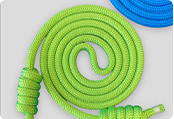
Fluorescent reflective paracord camping guylines are designed to improve visibility, stability, and convenience around tents and outdoor shelters. The bright outer color is easy to spot in daylight, while reflective strands catch light after dark, helping campers notice the rope and reduce accidental trips around the campsite. Made with a strong woven structure, this type of tent rope can support common setup tasks such as securing tent corners, tightening rainflies, and stabilizing tarps or lightweight canopies. Its flexible design also allows it to be tied, adjusted, and stored without taking up much space.

Beyond traditional camping, reflective paracord is useful for hiking shelters, backyard shade structures, emergency cover, boating areas, and outdoor events. The cord can be cut to practical lengths and paired with tensioners or secure knots for quick adjustments when wind or uneven ground changes the setup. Its noticeable color makes it easier to locate among equipment, while the reflective detail provides an added visual reference near tents, pathways, and anchor points at night. Lightweight and reusable, it fits conveniently into a camping bag, making it a practical choice for campers who need dependable guyline performance in changing outdoor conditions.

FAQS

What features should I compare when choosing a tent guy rope?

Compare diameter, material, stretch, abrasion resistance, visibility, and adjustment hardware. Low stretch helps the tent keep its shape during gusts. More features are not always better.

Which rope material works well in wet and windy conditions?

Low-stretch polyester usually holds tension well and absorbs little water. Braided nylon handles abrasion, but it can stretch after rain. Field conditions still vary.

What rope diameter suits most tents?

A three- to five-millimeter diameter often balances strength, handling, and weight. Check the tent’s anchor points before buying. Thicker is not automatically stronger.

Why are reflective guy ropes useful at night?

Reflective fibers flash when hit by a flashlight or headlamp. They can reveal a low line beside a dark tent. Color alone may disappear after sunset.

How can I reduce tripping risks around guy lines?

Keep lines tight and place them near knee height when possible. Add reflective sleeves near the tent and sleeping area. Test visibility from several angles.

What adjustment system should a good guy rope have?

Choose a simple slider that holds tension without cutting the cord. It should work with cold or wet fingers. Simple hardware helps.

How should I test guy ropes before camping?

Erect the tent fully in a backyard or open area. Pull each line firmly, then inspect seams and attachment loops. Check them again after rain.

When should I replace a tent guy rope?

Replace it when you find frayed fibers, flattened sections, or cracked plastic parts. Inspect ropes after storms, repeated knotting, and rough-ground contact. I have missed small damage before.

Conclusion

Choosing the right Tent Guy Rope can greatly improve camping stability, safety, and comfort. This guide explains how guy ropes support a tent by reducing movement, spreading tension, and helping the shelter withstand changing weather. It covers important features to compare, including rope strength, stretch resistance, adjustability, knot security, weight, and compatibility with tent stakes and tensioners. Reflective designs are highlighted for improving nighttime visibility and reducing tripping risks around camp.

Different camping situations require different rope types. Lightweight guy ropes are ideal for backpacking and minimalist trips where every gram matters, while heavy-duty options provide greater reliability in strong winds, rain, or exposed locations. The guide also explains how to select the best rope by considering tent size, expected weather, terrain, setup frequency, and personal carrying preferences. With the right balance of durability, visibility, weight, and ease of use, campers can create a more secure and dependable shelter in a variety of outdoor conditions.

Lila

Lila

Lila is a seasoned marketing professional at Shenzhen Shengtuo Outdoor Products Co., Ltd., where she brings a wealth of expertise in the outdoor rope manufacturing industry. With a keen understanding of the company's core products, including paracord, bungee rope, UHMWPE, and aramid, Lila is......
Previous How to Choose the Best Dock Rope for Your Boat?