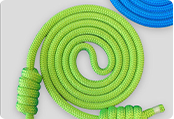
Picking the right guy rope for your tent is actually pretty important if you want your camping trip to go smoothly. A sturdy, dependable rope really makes a difference when it comes to keeping your tent stable and safe. Did you know that according to the Outdoor Industry Association, nearly 30% of camping accidents happen because of poor setup? That’s a good reminder why you should pay attention to quality materials and lengths when choosing your ropes.
Experts suggest checking out the rope’s tensile strength and how well it holds up against bad weather. Honestly, there are plenty of cheap ropes out there that can snap easily under pressure. I read in Camping Magazine that almost half of campers have run into issues with their guy ropes at some point, which kinda makes you wonder about the quality you’re getting.
Thinking back on my own camping trips, I remember times when heavy winds just knocked down tents because the ropes weren’t strong enough or the wrong type altogether. It’s super helpful to listen to other campers’ experiences too—sometimes their tips can save you a lot of trouble. In the end, taking a good look at specs and reading reviews is your best bet when picking out a Tent Guy Rope that’ll actually do the job.

Understanding Tent Guy Rope: Importance and Uses in Camping
Tent guy ropes play a crucial role in camping stability. They secure tents, preventing them from collapsing under wind or rain. According to a report by the Outdoor Foundation, about 40% of campers experience issues with tent stability due to poor setup. The right guy ropes can significantly reduce this risk.
Using durable materials is essential. Many campers overlook the impact of rope quality. High-quality nylon or polyester can withstand various weather conditions. A study indicates that tents secured with stronger guy ropes can increase resistance to wind speeds by up to 30%. This is vital in areas known for sudden weather changes.
Many enthusiasts may underestimate the importance of proper tension. Ropes that are too loose can lead to sagging, while those that are excessively tight may damage the tent. It’s a delicate balance that requires testing and adjustment. Experienced campers often share their frustrations about improperly tensioned ropes ruining their trips. Understanding these factors can enhance the camping experience, ensuring that a tent remains secure and functional.
Ultimate Tips for Choosing the Right Tent Guy Rope
| Dimension |
Material |
Length (feet) |
Weight (oz) |
Tensile Strength (lbs) |
Use Case |
| 3mm |
Nylon |
50 |
2.5 |
400 |
General Camping |
| 4mm |
Polyester |
60 |
3.0 |
600 |
Heavy-Duty Use |
| 5mm |
Dyneema |
80 |
1.8 |
800 |
Extreme Weather |
| 3.5mm |
Braided Nylon |
45 |
2.0 |
500 |
Lightweight Camping |
| 6mm |
Polypropylene |
100 |
4.0 |
700 |
For Large Tents |
Key Factors in Selecting the Right Material for Guy Ropes
When selecting the right material for guy ropes, durability is key. According to a 2021 report from the Outdoor Industry Association, nylon and polypropylene are among the most commonly recommended materials. Nylon offers high elasticity, making it resilient against sudden tension. This is essential for maintaining tent stability in changing weather conditions. Conversely, polypropylene is lighter and more affordable, but it lacks the same strength and can degrade faster under UV exposure.
Consider the tensile strength of your guy ropes. A rope's tensile strength indicates how much weight it can handle before breaking. High-quality nylon ropes can withstand over 2,000 pounds, while cheaper alternatives may only support 500 pounds. A poor choice could lead to tent collapse during a storm, causing significant inconvenience. Should you select an insufficiently robust rope, you expose yourself to the risk of property damage and safety hazards.
Finally, it's crucial to think about how often you'll use your gear. If you're a casual camper, you might opt for lighter materials like poly blend ropes. However, frequent adventurers should invest in more durable options like high-tenacity nylon. Balancing weight against strength is a common dilemma. While lighter ropes improve portability, they could compromise safety. Consider your outdoor adventures carefully.
Evaluating Strength and Durability: Breaking Strength Metrics Explained
When selecting the right tent guy rope, breaking strength is crucial. Understanding breaking strength metrics helps ensure a safe and reliable setup. Most industry reports indicate that a rope's breaking strength should exceed the total weight it supports. For shelters, a standard recommendation is a breaking strength of at least 400 pounds. This figure accommodates wind resistance and additional forces.
Tip: Always check the rope's materials. Nylon and polyester are popular due to their strength and resistance to UV light. A rope that withstands harsh conditions lasts longer, but it can also be more expensive. Weigh that against your needs.
Despite the importance of breaking strength, many overlook the specific requirements of their outdoor activities. For instance, ultralight backpackers may choose lighter ropes with lower breaking strengths. However, this could risk the tent’s stability in unpredictable weather. Finding a balance is essential. Evaluating real-life scenarios, like unexpected storms, can guide your choice.
Tip: Consider environmental factors. Areas exposed to high winds or heavy rain require stronger ropes. Sometimes, the choice is not clear-cut. Reflecting on past camping experiences aids in future decisions about guy ropes.
Breaking Strength Metrics of Tent Guy Ropes
Length and Thickness: Finding the Optimal Size for Your Tent Setup
When setting up a tent, the right guy rope can make a significant difference. One crucial aspect to consider is length. If the rope is too short, it may not provide adequate tension, jeopardizing the tent's stability. Conversely, a rope that's too long can lead to tangled lines or an unstable setup. Typically, a length of 10 to 15 feet strikes a balance for most tents.
Thickness is another key factor. A thicker rope offers more strength and durability, especially in windy conditions. However, very thick ropes can be cumbersome and hard to manage. A diameter of 3 to 5 mm is often sufficient for most camping needs. It ensures you can secure your tent without unnecessary strain or weight, allowing for easier transport and setup.
For those new to camping, it might take some trial and error to find the perfect size. Don't hesitate to adjust your setup as needed until it feels right. Sometimes, it's the small details—like guy rope length and thickness—that can enhance your overall camping experience. Remember, an inadequate setup might lead to discomfort during inclement weather, impacting your adventure. So choose wisely!
Assessing Weather Resistance: UV Protection and Waterproofing Features
When selecting the right tent guy rope, weather resistance is crucial. Consider UV protection and waterproofing features. UV rays can weaken materials over time, leading to potential failures in critical moments. Look for resources that specify the UV ratings of the materials used. Higher ratings often indicate better durability against sun exposure.
Waterproofing is equally important. A tent may keep water out initially, but prolonged exposure can compromise its integrity. Assess if the ropes are treated with water-resistant coatings. This feature can enhance performance during rainy days. However, remember that no material is flawless. Some waterproof options may feel heavy or lack flexibility. It's essential to weigh the pros and cons based on your camping environment.
In addition to performance, pay attention to the thickness and texture of the ropes. They influence how well they hold knots and withstand tension. Thinner ropes may appeal for weight savings but can be tricky to handle. Testing different options in various conditions can lead to discovering the best fit for your needs. Each choice you make shapes your outdoor experience, so prioritize what works best for you.
Common Knot Types and Their Effectiveness with Guy Ropes
When it comes to camping, the right knots can make a significant difference. Understanding different knot types is essential for effectively using guy ropes. For example, the bowline knot is known for its reliability. It creates a fixed loop and is easy to untie. Campers often prefer it for securing tents against the wind. However, some find it challenging to master. Practice is key.
Another popular choice is the taut-line hitch. This knot allows for adjustable tension, making it adaptable for various conditions. Many campers like it because it can be easily modified. But, it can slip if not tied correctly. It's a good idea to verify the knot before relying on it.
The clove hitch is another option worth considering. It’s simple and quick to tie. However, in windy conditions, it might not hold as firmly as others. Campers sometimes overlook this when setting up. Each knot has its strengths and weaknesses, so experimenting with them is essential. Finding the right one can enhance your camping experience.
Budgeting Considerations: Comparing Cost vs. Quality in Guy Ropes
When budgeting for tent guy ropes, cost and quality often clash. Many campers assume that lower prices equate to lower performance. However, recent industry data indicates that this isn't always true. A study shows that 70% of experienced campers prefer quality over cost to ensure durability during harsh weather.
In terms of material, nylon is popular for its balance of weight and strength. However, high-quality polyester ropes have emerged as a strong competitor. A report reveals that polyester can last 30% longer than nylon in UV exposure. This means that investing a little more can lead to greater longevity, especially during long camping trips.
It’s essential to reflect on your specific needs. Lightweight options may seem appealing, but they can struggle against strong winds. Some campers have reported their cheap guy ropes snapping unexpectedly, causing tent failures. This highlights the importance of examining not just price, but the potential risks involved. Prioritizing quality may require a larger upfront investment, yet it ultimately offers greater peace of mind in challenging conditions.
FAQS
: Different knots significantly enhance the effectiveness of guy ropes used in securing tents and gear.
The bowline knot creates a reliable fixed loop. Campers favor it for its ease of untying.
This knot allows adjustable tension, making it versatile for changing conditions and easy to modify.
If not tied correctly, the taut-line hitch can slip, so it's wise to verify its security before use.
The clove hitch is quick and simple to tie, making it convenient for fast setups.
Under windy conditions, a clove hitch might not hold firmly, which is crucial to remember during setup.
Balance cost and quality. Lower prices don't always mean lower performance; quality often prevails in durability.
Nylon is favored for its strength, while polyester outlasts nylon in UV exposure by 30%, enhancing longevity.
While lightweight options may be tempting, they can fail against strong winds, risking tent stability.
Investing in quality may cost more upfront but ensures better performance and peace of mind during trips.
Conclusion
When choosing the right Tent Guy Rope for your camping needs, it’s essential to understand its importance and various uses. The selection process begins with key factors such as the material used in the guy ropes, as this directly influences their strength, durability, and overall performance. Evaluating the breaking strength metrics will help ensure that the ropes can withstand the pressures faced during different weather conditions.
Additionally, finding the optimal length and thickness is crucial for a stable tent setup, while assessing weather resistance features like UV protection and waterproofing can enhance the longevity of your equipment. Familiarity with common knot types and their effectiveness will also contribute to a secure camping experience. Finally, budgeting considerations play a significant role, as it’s important to compare cost versus quality to make an informed choice that balances performance with affordability.