
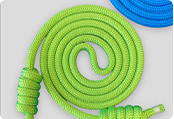

Picking the right dock rope is really a safety call—not just about matching colors. Your boat has to deal with tides, sharp cleats, rain, salt spray, and sudden loads. All of that changes how a rope performs. So let's start there.
Marine writer and boating expert Nigel Calder once put it well: “The best equipment is equipment you understand and maintain.” Same goes for dock lines. A soft, flexible rope might feel great in your hands, but feeling nice doesn't automatically mean it's strong. A stiff rope might stand up to abrasion, but it can be a pain around a crowded cleat. The sweet spot? Balance diameter, breaking strength, stretch, construction, and chafe resistance.
Material matters, too. Nylon dock rope gives you useful stretch, which helps soak up movement when waves tug on the boat. Polyester has less stretch and holds up well to sunlight, so it can be a good pick for certain permanent lines. Braided rope usually handles more easily than hard-laid. That said, no rope is perfect.
Think about your dock. A sheltered freshwater slip asks for different protection than an exposed coastal berth. Check where the rope rubs against metal, concrete, or a fairlead. Add chafe protection anywhere you see wear. And measure your boat's cleats before you go oversized. Bigger isn't always better.
Inspect it regularly, too. Look for flattened fibers, glazing, stiffness, discoloration, and broken strands. Replace damaged rope before a storm puts it to the test. I've seen owners obsess over breaking strength and completely overlook everyday abrasion. That's a mistake. This guide walks you through choosing a dependable dock rope for your boat, your berth, and the conditions you actually deal with.

Understanding the Role of Dock Rope in Boat Mooring
How to Choose the Best Dock Rope for Your Boat?
Dock rope does more than hold a boat beside a pier. It manages movement caused by wind, wakes, waves, and changing tides. A suitable rope reduces sudden strain on cleats, rails, and dock fittings. Nylon is often useful because it stretches under load and absorbs shock. That flexibility matters when a boat pulls against a line repeatedly. It must flex. However, excessive stretch can allow the hull to surge too far. The rope should match your boat’s size, weight, and expected weather conditions.
Rope diameter and construction both affect reliable mooring. A thicker line is not automatically safer. It may fit poorly through a cleat or create awkward knots. Check the working load, not only the breaking strength. Working load allows for repeated use and safety margins. Braided rope usually handles smoothly, while three-strand rope can offer noticeable stretch. I once underestimated chafe near a rough dock eye. The rope looked sound but had flattened fibers underneath. Hidden wear matters.
Inspect every contact point before leaving the boat. Look for fuzzing, cuts, stiffness, discoloration, or melted fibers. Add chafe protection where rope touches metal, concrete, or sharp edges. Use spring lines to control forward and backward movement. Adjust line length as the tide changes. A short line can jerk violently. A loose line can let the hull collide with the dock. Conditions vary, so review your setup after strong wind, heavy rain, or an unfamiliar berth. Personal judgment still has limits. When doubt remains, consult a qualified marine professional and follow the rope maker’s stated load guidance.
How to Choose the Best Dock Rope for Your Boat? - Understanding the Role of Dock Rope in Boat Mooring
| Rope Material | Typical Stretch | Water Absorption | Abrasion & UV Performance | Best Mooring Use | Important Consideration |
|---|---|---|---|---|---|
| Nylon | High; commonly selected for shock absorption | Absorbs water and becomes heavier when wet | Good abrasion resistance; prolonged sunlight can weaken it | General dock lines, spring lines, and boats exposed to wakes or changing loads | Inspect regularly for chafe, stiffness, discoloration, and melted fibers |
| Polyester | Low to moderate; provides less shock absorption than nylon | Very low compared with nylon | Very good resistance to sunlight and abrasion | Fixed moorings, relatively stable berths, and applications requiring low stretch | May transmit higher peak loads to cleats and fittings during sudden surges |
| Polypropylene | Moderate; varies with construction | Floats and absorbs very little water | Generally lower abrasion and UV durability than nylon or polyester | Temporary lines, light-duty applications, and situations where flotation is useful | Not usually the first choice for long-term, high-load mooring in strong sunlight |
| High-Modulus Polyethylene | Very low | Very low | Good strength-to-weight ratio; surface damage can reduce service life | Specialized low-stretch systems where reduced line diameter or weight is important | Requires careful chafe protection and correctly sized hardware |
Dock Rope Selection Guide
| Selection Dimension | What to Evaluate | Practical Recommendation |
|---|---|---|
| Boat size and displacement | The line must safely handle expected static and dynamic loads | Use the rope maker's rated strength and the boat manufacturer's guidance; do not select by diameter alone |
| Weather and water conditions | Wind, waves, tidal range, wakes, and current can create repeated shock loads | Choose a rope with suitable elasticity, usually nylon for general shock absorption |
| Line function | Bow, stern, forward spring, and aft spring lines control different movements | Use a balanced arrangement of lines rather than relying on one heavy line |
| Chafe exposure | Contact with cleats, fairleads, pilings, and dock edges can damage fibers | Add purpose-made chafe guards, maintain fair leads, and check high-contact areas frequently |
| Line length | Lines need enough length to accommodate tide, surge, and normal boat movement | Avoid lines so short that they become nearly straight and transfer excessive loads |
| Construction and handling | Three-strand and braided constructions differ in stretch, handling, splicing, and inspection | Select a construction compatible with the cleats, fairleads, knots, and splicing method used on the boat |
Note: Rope performance depends on diameter, construction, condition, connection method, and manufacturer-rated specifications. Replace any dock line showing significant abrasion, cuts, melted fibers, severe stiffness, or loss of flexibility.
FAQS
It controls movement from wind, wakes, waves, and tides. It reduces sudden strain on cleats, rails, and fittings.
Nylon stretches under load and absorbs shock. This helps when a boat repeatedly pulls against its lines. Too much stretch remains a weakness.
Use boat length as a starting point, not a final answer. Weight, loading, weather, and fittings also matter. A heavy boat needs more.
No. Oversized rope may overload fittings, pass poorly through cleats, and create awkward knots. Strength must fit the setup.
Check working load and minimum breaking strength separately. Never treat breaking strength as the usable load. Repeated loading needs margin.
Braided rope handles smoothly. Three-strand rope often provides more noticeable stretch. Neither choice is perfect for every berth.
Add sleeves where rope touches metal, concrete, rings, or sharp edges. Inspect polished, flattened, or fuzzy sections closely. Hidden wear can surprise you.
Use spring lines to limit forward and backward movement. Adjust line length as water levels change. A short line can jerk violently.
Look for cuts, stiffness, discoloration, melted fibers, and flattened areas. Check every contact point, especially near rough dock hardware.
Recheck them after strong wind, heavy rain, or an unfamiliar berth. I once trusted a rope that looked sound but hid damaged fibers.
Conclusion
Choosing the best Dock Rope is essential for keeping your boat secure, stable, and protected while moored. Start by considering the rope’s material, as it should provide strength, flexibility, and resistance to abrasion, sunlight, saltwater, and changing weather conditions. Select a diameter and breaking strength that match your boat’s size, weight, and expected docking conditions. The rope should also be long enough to connect securely to dock cleats while allowing safe movement caused by waves, tides, and changing water levels.
Construction is another important factor. A flexible rope is easier to handle and tie, while a durable design can better withstand repeated tension and friction. Before use, inspect the Dock Rope regularly for fraying, stiffness, discoloration, cuts, or weakened sections. Clean and store it properly when possible, and replace it immediately if its strength or condition becomes questionable. By matching the rope to your docking setup and maintaining it carefully, you can improve mooring reliability and support safer boat handling.
Related Posts
-

Top 10 Dock Rope Types You Need for Secure Boat Mooring in 2023
-

2026 Top Elastic Cord Types You Need to Know?
-

What is the Best Spectra Rope for Your Needs in 2026?
-

What is Spectra Rope and Why is it Popular for Buyers?
-

Best Nylon Cord Types for Global Buyers in 2026?
-

Top Quality Elastic Shock Cords for Global Sourcing?
