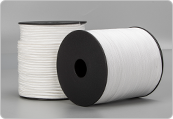
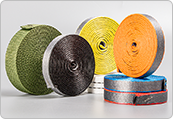
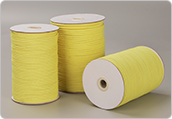
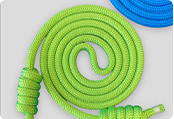
You know, nylon cord is one of those things that pops up in everyday life more than you'd think. It's in drawstrings, craft projects, luggage repairs, tent accessories, and even just ties to keep your gear organized. The reason? It hits a sweet spot between strength and flexibility. Plus, its smooth surface and decent abrasion resistance mean it can take repeated handling without falling apart. It does stretch under load though – which can be a plus in some situations, but it also makes it feel a bit unpredictable sometimes. Anyway, small detail, big difference.
So, you're probably wondering what Nylon Cord is actually used for, right? Well, let me break it down for you. It's not just about picking any random cord—diameter, construction, and even the load rating the manufacturer puts on the label all play a big part. You'd be surprised how two cords that look pretty much identical can perform totally differently in practice. Oh, and here's a sneaky little thing most folks overlook: nylon absorbs moisture, which can change how it behaves depending on your environment. If you're heading out for something outdoorsy or marine-y, don't just assume every cord is weatherproof—you gotta check those product specs first, trust me. Look, when it comes to lifting people, climbing, or any safety-critical job, you've got to use gear that's specifically made and rated for that. I definitely wouldn't just grab some general-purpose cord and call it good. Nylon cord is super versatile, sure, but it's not the answer for everything. The stuff we're about to go over will cover common uses, what to look for when picking it, and some pitfalls to keep in mind before you commit to buying.

Key Properties of Nylon Cord
Nylon cord combines high tensile strength with flexibility, making it useful for lifting slings, outdoor guy lines, and equipment loops. PlasticsEurope’s Polyamide 6.6 Eco-profile gives a density of about 1.14 g/cm³. MatWeb’s compiled data for unfilled PA66 lists tensile strength near 80 MPa, but that figure describes molded plastic, not finished cord. Cord strength also depends on filament quality, braid or twist, diameter, and knots. The details matter.
Abrasion resistance helps nylon cord tolerate rubbing against a metal eyelet or rough timber. Its slight stretch can soften sudden loads, though that same give may be unwelcome when a line must stay taut. Nylon also absorbs moisture; in damp conditions, it can feel heavier and its dimensions or strength may shift. Keep it away from prolonged heat: PA66 melts at roughly 260°C, according to published material data, but a cord can weaken well below its melting point. That distinction is easy to miss.
For a practical check, inspect the cord where it bends over a pulley. Fuzzing, flattened strands, or a stiff, glazed patch can signal wear. Manufacturer-independent lab figures are useful, but they do not replace a rated working-load limit for the specific cord. I would not infer safe load from diameter alone.
Types and Construction of Nylon Cord
Nylon cord is made in several constructions, and the structure affects how it bends, grips, and handles abrasion. Three-strand twisted cord has visible spirals and is easy to splice, though it can kink under repeated twisting. Braided cord may use eight or more strands for a rounder, more flexible feel. Kernmantle designs place a load-bearing core inside a protective sheath. The sheath can look tough, but it does not prove the core is undamaged.
ISO 2307:2019 specifies rope measurements such as linear density, lay length, and breaking force, giving buyers a basis for comparing samples. ASTM D1909 lists 4.5% as nylon’s commercial moisture regain value. That figure describes fiber conditioning, not the strength loss of every finished cord in water.
Details matter. Check the cord’s stated construction and test data, especially when selecting it for a load-bearing use. A soft braid may be pleasant in the hand, yet its texture alone says little about safe working load. That distinction is easy to miss.
Uses in Camping, Boating, and Outdoor Gear
Nylon cord earns its place outdoors because it is strong for its size and stretches under sudden tension. That give can soften a tug on a tent line or gear lash. But stretch can also loosen a shelter in rain or wind, so retension lines after the weather changes. The Outdoor Industry Association’s 2024 Outdoor Participation Trends Report estimated that 175.8 million Americans aged six and older took part in outdoor recreation in 2023. For campers, nylon cord can secure rolled sleeping pads, bundle firewood, or hang a lightweight tarp. Check the label. Use cord rated for the load, and keep it clear of sharp edges.
On boats, nylon’s stretch helps absorb the repeated pull of a boat moving against a dock. The National Marine Manufacturers Association reports that about 100 million Americans go boating each year, making dependable tie-up gear a practical concern. Choose properly rated marine rope, not thin utility cord, for dock or anchor loads. Inspect for fraying, flattened sections, and abrasion where a line rubs a cleat. Nylon can also serve as a general-purpose tie-down for dry bags and equipment. It is not a cure-all. A wet, poorly secured line can still slip, and a small cord should never replace purpose-built safety equipment.
Uses in Crafts, Clothing, and Household Projects
Nylon cord is useful when a project needs a flexible line that resists everyday rubbing. In crafts, a thin braided cord can make macramé plant hangers, woven bracelets, or drawstring pouches. Its smooth surface slides through beads and fabric channels without catching much. Choose a cord thick enough to hold its shape, but not so thick that knots become bulky. Small details matter.
For clothing, nylon cord commonly serves as a hoodie drawstring, a waistband tie, or a lacing material for simple accessories. It is lightweight and dries relatively quickly, which can help with garments used outdoors. However, nylon can stretch under steady tension, and prolonged sun exposure may weaken it. A cord that feels sturdy indoors may not stay that way after months on a sunny porch.
Around the home, cord can bundle extension cables, secure light garden covers, or form handles for small storage bags. Match the diameter and construction to the job: braided cord is easy to knot, while a tighter, smoother cord may pass more easily through narrow loops. I would not assume ordinary craft cord is suitable for supporting people or heavy objects. That distinction is easy to overlook, and the packaging or cord specifications deserve a careful check before use.
Industrial and Utility Applications
What Is Nylon Cord Used For?
Industrial and Utility Applications
Nylon cord is used for securing equipment, bundling materials, and handling loads where some shock absorption is helpful. In workshops, it can tie down covered machinery or hold cable coils in place. Utility crews may also use suitable cord for temporary positioning and equipment control. Nylon stretches under load, helping soften sudden pulls, but that same stretch can make a suspended load move farther than expected.
The Cordage Institute’s Rope User’s Manual describes nylon as a high-elongation fiber. Depending on construction and load, nylon rope may stretch roughly 15–30% before breaking; check the cord’s own test data, since diameter and braid affect performance. Nylon also loses some strength when wet, and abrasion or prolonged sunlight can weaken it. It is not a substitute for certified lifting gear. For any load-bearing task, confirm the rated working load and inspect the cord for cuts, glazing, or flattened sections.
Tips: Keep cord away from sharp edges. Dry it before storage, and replace it if fibers look damaged. A small detail, but easy to miss: knots can reduce usable strength, so follow the supplier’s guidance for the intended application.
What Is Nylon Cord Used For? - Industrial and Utility Applications
| Application |
Typical Use |
Relevant Properties |
Selection Considerations |
| Marine and boating |
General-purpose lines, securing gear, and temporary tie-offs. |
Nylon is strong, flexible, and able to stretch under load, which can help absorb shock. |
Wet nylon can lose some strength and may become heavier. Choose cord specifically rated for the intended marine use. |
| General securing and bundling |
Tying bundles, fastening covers, and organizing equipment or materials. |
Its flexibility makes it easy to knot and handle; abrasion resistance varies by construction and cord size. |
Use suitable knots and inspect for wear. Do not treat general-purpose cord as certified lifting or fall-protection equipment. |
| Outdoor and camping |
Tent guylines, tarps, equipment lashing, and utility repairs. |
Lightweight and flexible, with useful stretch for applications where some movement is expected. |
Stretch can allow a tarp or line to loosen as conditions change. Check the cord and knots regularly. |
| Industrial and workshop utility |
Light-duty bundling, temporary fastening, and general-purpose shop tasks. |
Available in different diameters and constructions, allowing users to match handling needs and expected loads. |
Check the cord’s stated working-load information, environmental limits, and condition. Avoid sharp edges unless protected. |
| Fishing and outdoor line uses |
Certain fishing lines, nets, and utility lines, depending on the cord’s construction and specifications. |
Nylon can be made into fine, flexible line and has some elasticity. |
Use line designed for the specific activity; diameter, construction, knot strength, and water exposure affect performance. |
| Decorative and textile projects |
Craft work, drawstrings, trim, and other non-critical textile applications. |
A range of colors, sizes, and braided or twisted constructions is commonly available. |
Select a construction and finish suited to appearance, handling, and expected wear; confirm compatibility with any intended cleaning process. |
Note: Nylon cord performance depends on diameter, construction, condition, knots, and exposure. For lifting, climbing, fall protection, or other safety-critical work, use equipment specifically certified and rated for that purpose.
How to Choose the Right Nylon Cord
What Is Nylon Cord Used For?
How to Choose the Right Nylon Cord
Nylon cord suits jobs that need flexibility and shock absorption, such as securing gear, stitching, and general utility work. To choose well, start with the load, environment, and movement involved. Nylon stretches under tension; rope-industry technical tables commonly report elongation at break around 15–30%, depending on construction and test conditions. That give can soften sudden pulls, but it may be a poor fit where minimal stretch matters. Picture a loaded cord tightening over a moving kayak: extra stretch can help absorb a jerk, yet it can also let the load shift.
Check the cord’s tested breaking force, diameter, braid, and coating—not just the material name. ASTM D2256/D2256M-21 describes tensile testing for yarns, including breaking force and elongation; ask for test results for the finished cord, since construction changes performance. For wet or outdoor use, confirm the maker’s stated water and UV resistance, and inspect the cord regularly for fuzzing, cuts, or flattened spots. Small details matter. A thicker cord is not automatically safer if knots, hardware, or attachment points are weaker. I would also leave room for uncertainty: published ratings may not match real use, especially after abrasion or repeated loading.
Care, Limitations, and Safe Use
What Is Nylon Cord Used For?
Care, Limitations, and Safe Use
Nylon cord is commonly used for tying, bundling, camping tasks, and lightweight repairs. Its flexibility makes knots easy to form, but a knot can reduce the cord’s strength. Check the product’s stated capacity rather than judging by thickness alone. Small details matter.
After use, rinse away grit with clean water and mild soap, then let the cord dry fully in a shaded, ventilated place. Dirt trapped between fibers can cause abrasion, while prolonged sunlight can weaken some nylon over time. Store it loosely coiled, away from sharp edges, heaters, and harsh chemicals. Inspect for fuzzy spots, cuts, flattened sections, or stiff areas before each use. Replace damaged cord; a quick tug cannot reliably reveal hidden wear.
Nylon stretches under load and may stretch more when wet, so it can loosen around a bundle or shift under tension. It can also soften or melt near high heat. Not indestructible. Do not treat ordinary utility cord as protective equipment for climbing, rescue, or suspending people. Use only cord specifically rated for the task, follow its instructions, and avoid loads that could injure someone if the cord fails. I would rather choose a thicker, suitable cord than trust an uncertain old one.
Paracord 425 Type II: Uses and Selection Insights Framed by Grand View Research’s Rope Market Report
Paracord 425 Type II fits the market’s broader preference for rope that is lightweight, compact, and adaptable across outdoor, utility, and craft applications. Its relatively slim profile makes it convenient for emergency kits, tent organization, gear lashing, and everyday repairs where a bulky line would be impractical. As rope demand spans varied uses, choosing a cord should start with the task: consider expected tension, exposure to moisture or sunlight, abrasion, and how easily the line needs to pack and deploy.
When selecting 425 Type II, check the product specifications for diameter, construction, material, and stated tensile strength; the “425” designation commonly signals an approximate strength rating, but ratings and construction can vary. Match the cord to non-critical tasks such as bundling equipment or making camp accessories, and allow a margin for wear, knots, and changing conditions. It should not be treated as climbing, rescue, or other life-safety rope. A consistent weave, clear product details, and a suitable length and color can help ensure the cord is practical for its intended use.
FAQS
It can secure equipment, bundle materials, hold cable coils, or help with stitching. It also absorbs some sudden pulls.
Depending on construction and load, it may stretch roughly 15–30% before breaking. That movement can surprise you.
Three-strand cord is easier to splice but may kink. Braided cord often feels rounder and more flexible. Kernmantle cord has a core inside a protective sheath.
No. The core may be damaged even when the sheath looks intact. Check the cord and its test information.
Nylon can lose some strength when wet. Dry the cord before storing it, especially after outdoor use.
Confirm its tested breaking force and rated working load. Check the diameter, construction, knots, hardware, and attachment points too.
Look for cuts, fuzzy fibers, glazed areas, or flattened sections. Replace cord that looks worn. A quick glance can miss damage.
Maybe not. Its stretch can let a suspended load travel farther than expected, so consider how much movement the task allows.
Conclusion
Nylon Cord is a versatile, strong, and flexible line valued for its durability, stretch, and resistance to abrasion and moisture. It comes in different diameters and constructions, from smooth braided cord to twisted varieties, making it useful for a wide range of tasks. Outdoors, it can secure camping equipment, organize gear, and support general boating and recreational needs when selected appropriately. At home, it works well for crafts, clothing details, repairs, and practical household projects.
In industrial and utility settings, nylon cord can help with bundling, pulling, and other light-duty tasks, provided its rated capacity suits the job. Choose a cord by considering its construction, thickness, expected load, environment, and required flexibility. Keep it clean and dry when possible, inspect it regularly for wear or damage, and replace it if its strength is uncertain. Nylon can stretch, degrade with prolonged sunlight exposure, and become less dependable when damaged, so use it within its limits and follow safe handling practices.