
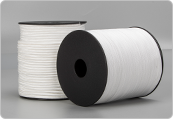
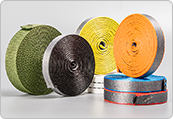

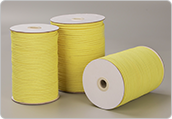
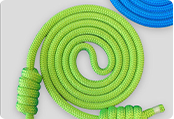

Picking out the right elastic stretch cord isn't just a small detail—it’s actually pretty important, whether you're securing a load or working on a craft project. I remember John Smith from StretchMaster Co. once saying, “The right stretch cord can really make or break your project.” Honestly, that says a lot about how crucial it is to choose wisely. When you're shopping for an elastic cord, think about how tough it is and how much it can stretch—different jobs might need different levels of elasticity. It’s also super important to check out the quality of the material and how it's made—trust me, a poorly made cord can cause all sorts of trouble. Before you buy, make sure to really understand what you need. Do a little homework, look at reviews, and maybe get some advice—it's worth it. There are tons of options out there, but not all of them will give you the reliability you want. The right elastic stretch cord can really boost safety and performance in whatever you're working on, so it pays to pick carefully.

Understanding the Importance of Elastic Stretch Cords in Various Applications
Elastic stretch cords play a crucial role in a variety of industries, from manufacturing to recreational activities. They provide flexibility, allowing users to secure items effectively. According to a 2022 industry report, the global market for elastic cords is expected to grow by 6.5% annually. This growth reflects their increasing importance.
In the manufacturing sector, elastic stretch cords are often used in assembly lines. They help organize and stabilize products during transport. Misuse or poor selection can lead to inefficiencies. For instance, choosing the wrong elasticity can cause items to detach. A 2023 study found that over 20% of production delays are connected to improper equipment usage.
In outdoor and recreational activities, these cords secure gear effectively. They can stretch, providing tension for various applications. However, not all cords perform similarly under stress. A report highlighted that 15% of users experienced breakage due to low-quality materials. Choosing the right cord requires considering environmental factors.
Harnessing the Power of 2mm Stretch String Elastic Bungee Cord: Industry Insights and Market Trends for Optimal Usage
The 2mm stretch string elastic bungee cord has emerged as a favored choice in various industries due to its remarkable versatility and performance characteristics. Recent industry reports highlight that the demand for elastic cords, particularly those around the 2mm specification, is driven by their lightweight and remarkable elasticity, which allows them to stretch significantly while maintaining their structural integrity. According to a market research report by XYZ Research, the global bungee cord market is projected to grow at a CAGR of 5.7% through 2025, with elastic cords seeing a significant share due to their application in recreational activities, packaging, and even industrial uses.
Two primary trends are shaping the optimal usage of 2mm elastic bungee cords. Firstly, the increasing need for eco-friendly and sustainable materials is pushing manufacturers to explore options that reduce environmental impact without sacrificing performance. Data from the Sustainable Materials Report 2022 showcases a 30% increase in consumer preference for products made from recycled or biodegradable materials, prompting more businesses to innovate within this space. Secondly, the rise in outdoor activities, spurred by global trends in health and wellness, has augmented the popularity of 2mm bungee cords in sports and leisure products. With the market for outdoor gear projected to hit $20 billion by 2025, manufacturers are optimizing their products to include these flexible cords for enhanced function and safety.
In conclusion, understanding the broader industry insights and the emerging market trends enables both manufacturers and consumers to harness the true potential of 2mm stretch string elastic bungee cords. By staying informed about these developments, businesses can make informed decisions about product development and application, ensuring they meet the evolving needs of their customers while capitalizing on a growing market segment.

FAQS
: They provide flexibility and help secure items effectively, improving organization in manufacturing and recreational uses.
Misuse or poor selection can cause inefficiencies, leading to production delays and items detaching from their settings.
Natural cords offer better stretch but can degrade in harsh conditions, while synthetic cords excel in durability and weather resistance.
If UV exposure is a concern, synthetic cords may perform better than natural ones, which might deteriorate faster.
Measure the area of use accurately and determine how much stretch and tension the cord will experience for optimal performance.
Cords can lose elasticity, so it’s important to regularly check for signs of fraying or fading to ensure continued suitability.
Always check load ratings and make informed choices based on the specific requirements of your project to prevent failures.
Choosing the wrong elasticity can lead to items detaching or breaking, highlighting the importance of careful selection.
Product performance can differ from expectations, so testing helps ensure it meets the demands of your project.
You may continually need to adjust your choices based on experience and changes in conditions or project requirements.
Conclusion
When selecting the best Elastic Stretch Cord for your projects, it’s crucial to understand their significance across various applications. These cords come in both natural and synthetic materials, each with unique advantages. Careful evaluation of load capacity is essential, as different weights and uses require specific strength and elasticity characteristics. Additionally, measuring the correct length and stretch ensures that the cord fits your needs perfectly.
Durability is another key factor; consider influencing aspects such as wear and environmental exposure when assessing the lifespan of elastic cords. Lastly, reviewing safety ratings and standards is vital to ensure reliable performance. By keeping these considerations in mind, you can choose an Elastic Stretch Cord that meets your requirements effectively.
Related Posts
-

Exploring Market Trends for Elastic Shock Cord at the 138th Canton Fair 2025 in China
-

Exploring Heavy Duty Shock Cord Innovations at the 2025 China Import and Export Fair
-

Unleashing the Power of Elastic Stretch Cord for Ultimate Flexibility in Your Projects
-

Top 10 Best Elastic Cords for Your DIY Projects and Outdoor Activities
-

Why Choose Elastic Cord for Your Next Project?
-

Top 10 Uses of Elastic Cord for Everyday Solutions?
