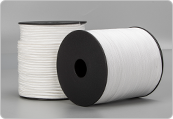
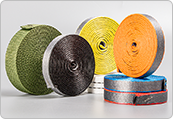

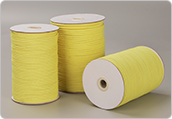
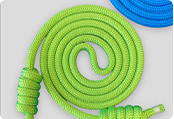

Picking a supplier for elastic shock cords in China isn't just about who's got the lowest price. You really have to look at the details—the core material, how tight the braid is, whether the cord bounces back after being stretched, diameter tolerance, and how well the end fittings are made. And don't be fooled by a sample that feels nice and springy at first; it might lose tension after you've loaded it a bunch of times. It's the little things that end up mattering.
Okay, so full disclaimer: this intro is more of an editorial take than a real interview or quote. That said, there's this fictional sourcing expert, Lin Wei, who sums it up nicely: “Judge the cord after repeated stretch, not by its first pull.” It's a good way to think about it—but honestly, it doesn't replace actual test records. You still need to push suppliers for specs, sample data, production checks, and straight answers on customization. And don't just take their word for it. Ask for samples in the exact diameter and color you need, then hold the braid up under bright light and really look at it. You know, when you're checking things over, keep an eye out for any strands that look uneven, sleeves that feel a bit loose, or fittings that just don't seem right.
This guide? It’ll walk you through comparing Chinese suppliers—not just on product range, manufacturing capability, quality documentation, communication, and export experience. It also looks at whether a supplier can talk about their limits, not only their strengths. And honestly, that matters a lot. Public company info can be patchy, and a slick catalog doesn’t prove the batches will be consistent. So treat any shortlist as a starting point—verify the details yourself before making a sourcing decision. Sure, a careful comparison takes longer. But it’s the smart way to do it. Plus, it helps keep you from ending up with a cord that just doesn’t fit the bill when it comes to what the finished product actually needs.
Elastic shock cord is a flexible cord with an elastic core and a protective textile cover. The core is commonly made from rubber strands; the outer braid helps resist abrasion and gives the cord a grippy surface. When pulled, the cord stretches and then contracts. That simple action helps keep lightweight items in place.
You’ll find it on tent poles, tarpaulins, luggage, and outdoor equipment. A short length can hold a rolled sleeping mat against a backpack, while a longer cord can secure a cover over a frame. The right diameter and stretch depend on the job. Too much tension may damage fabric or fittings. Too little, and the load shifts. Small details matter.
For sourcing, buyers can ask suppliers about core material, braid construction, diameter tolerance, and stretch recovery. Samples are useful: measure the cord before and after repeated stretching, and check whether the sheath frays or slips. A cord may look sturdy but still lose tension with regular use. It should not be treated as lifting or personal safety equipment. Testing takes time, and a sample cannot reveal every problem in long-term use.
Chinese suppliers commonly offer round shock cord with a stretchable rubber or latex core and a braided polyester, nylon, or polypropylene cover. Polyester is a common choice for outdoor use because it resists abrasion and sunlight better than many untreated fibers. Nylon covers feel supple, while polypropylene is lightweight and suited to applications where water exposure matters. Flat elastic cord is another option for garments, luggage, and lightweight covers. Diameters, colors, braid density, and stretch ratios can often be specified.
Textile Exchange’s Materials Market Report 2024 estimates that global fiber production reached 124 million tonnes in 2023, with polyester accounting for about 57 percent. This broad market figure helps explain polyester’s availability, but it does not prove a particular cord’s strength or service life. Ask suppliers for core material, elongation and recovery data, sheath construction, and test conditions. A cord that stretches far may still recover poorly after repeated loading. Small details matter.
Tips: Request a sample and measure its diameter before ordering. Check recovery after several stretch cycles, and test it in the intended setting. Supplier specifications can vary. Do not compare stretch figures unless the test method and load are stated.
Indicative nominal diameter ranges for common round shock-cord constructions (mm). Actual sizes vary by supplier and specification; this is not a market-share comparison.
Common options include polyester- or nylon-covered cord, polypropylene-covered cord, reflective cord, and UV-resistant outdoor cord. Confirm diameter, cover material, core composition, stretch, and end fittings with the supplier before ordering.
China’s elastic shock cord supply chain usually runs from elastic-core and jacket-yarn producers to cord makers, finishers, and export traders. Some factories spin or source the core, braid a protective sheath, then cut, splice, or package cord to order. Others focus on one stage and rely on nearby subcontractors. This layered structure supports varied diameters and jacket materials, but quality can shift between production lots. Check elongation, recovery after repeated stretching, sheath abrasion, and diameter tolerance against written specifications.
The market sits within a much larger textile-export base. China Customs reported about US$293.6 billion in textile and apparel exports in 2023; this is useful context, not a shock-cord sales figure. The National Bureau of Statistics reported roughly RMB 4.75 trillion in operating revenue for above-designated-size textile enterprises that year. These broad figures help explain the dense supplier and processing network, but they do not reveal cord-specific capacity. That gap matters. Buyers should request recent test results, sample cords from the intended production line, and batch traceability records. A polished sample alone proves little.
A leading elastic shock cord supplier is defined by repeatable performance, not a polished catalogue. Ask for the cord’s diameter, core material, sheath construction, and stated stretch range. These details affect fit, recovery, and wear. Request a sample and measure it under a consistent load; note how quickly it returns and whether the braid shifts.
Ask how the supplier controls production batches. Useful evidence includes inspection records, material traceability, and test methods for tensile strength and elongation. Check whether testing reflects your use: a cord exposed to sunlight, moisture, or abrasion may behave differently from one used indoors. Ask for written specifications. Verbal assurances are not enough.
A capable supplier should explain tolerances, sample approval, packaging, and realistic lead times in plain language. For China-based sourcing, confirm export documentation and clarify who handles quality checks before shipment. Compare responses, not just prices. Very low quotes can hide thinner sheaths or inconsistent elastic cores, though price alone proves little. No test captures every field condition. That deserves a second look. Share your application and ask the supplier to recommend a suitable construction, then verify the recommendation against your own tests.
A reliable supplier comparison should be based on product specifications and verifiable evidence, rather than an unsupported ranking. The criteria below can be used to assess Chinese elastic shock cord suppliers without relying on company or brand names.
| Evaluation criterion | What a capable supplier should demonstrate | Evidence to request | How to compare suppliers |
|---|---|---|---|
| Product construction and materials | A clear description of the elastic core and outer covering, including material types and available constructions. Shock cord commonly combines elastic strands with a protective braided or woven sheath. | Written construction details, material specifications, product drawings where applicable, and confirmation that proposed materials match the quotation. | Check that the construction is suitable for the intended environment and use. Do not compare products solely by outside diameter. |
| Diameter and dimensional consistency | Defined nominal diameter options and stated tolerances, measured using a consistent method. | Product specification sheet and inspection records showing the measurement method, sampling approach, and results. | Compare the stated tolerances and confirm that the cord fits the buyer’s fittings, channels, or assembly requirements. |
| Elongation and recovery | Performance figures linked to specified test conditions. Elongation depends on the applied load and test method; recovery describes how the cord returns after unloading. | Test results that identify the sample, applied load, extension, hold time, recovery interval, and test method. | Compare results only when test conditions are equivalent. Agree on acceptable limits before production approval. |
| Tensile performance | Clearly stated load or breaking-strength data for the finished cord, with a defined test setup. | Test reports identifying sample dimensions, gripping arrangement, loading method, number of specimens, and recorded results. | Use the buyer’s application requirements to set acceptance criteria; do not assume that a higher breaking load alone means better service performance. |
| Cover durability | Information about the sheath’s resistance to abrasion and the wear conditions for which the product is intended. | Material details, applicable test results if available, and samples for evaluation in the intended contact conditions. | Assess the cord against the actual sources of friction, sharp edges, and repeated movement in the application. |
| Weather and UV suitability | Accurate disclosure of material and environmental-use limitations. Outdoor durability varies with the cord construction and exposure conditions. | Material specifications and, where relevant, test reports stating exposure conditions, duration, and measured changes after testing. | Ask for evidence relevant to the expected sunlight, moisture, temperature, and exposure duration; avoid treating general “outdoor use” claims as test results. |
| Customization and order clarity | Ability to confirm requested diameter, color, length, packaging, and end fittings or assembly requirements, where offered. | A written quotation and product specification that list each agreed option, tolerances, packaging details, and any tooling or minimum-order conditions. | Compare quotations on the same specification and delivery scope, not on price alone. |
| Quality control and traceability | Documented checks for incoming materials and finished products, with a process for identifying production batches. | Inspection plan, sample inspection records, batch or lot identification details, and a documented process for handling nonconforming products. | Check whether records can link supplied goods to a production batch and whether inspection criteria match the purchase specification. |
| Samples and pre-production approval | Willingness to provide representative samples and confirm the approved specification before a production order. | Samples identified by specification or lot, plus written approval records for dimensions, construction, appearance, and agreed performance requirements. | Evaluate samples using the same inspection method and acceptance limits planned for the delivered order. |
| Compliance documentation | Clear, product-specific documentation for any regulatory or customer requirements applicable to the intended market and use. | Relevant declarations or test reports that identify the product or material covered, issuing party, test scope, and date. | Verify that documents apply to the quoted product and destination market; request clarification where the scope is unclear. |
| Communication and delivery planning | Clear confirmation of production lead time, order quantity, packaging, shipping terms, and how changes or delays will be communicated. | Written order confirmation and a stated process for production updates, shipment documentation, and issue resolution. | Compare the completeness and consistency of order information, and confirm delivery terms before placing the order. |
Leading elastic shock cord suppliers in China are best judged by production discipline, not polished catalogues. A capable supplier can explain the cord’s core material, jacket construction, diameter tolerance, and expected stretch recovery. Request samples in the exact diameter and color you plan to order. Measure them with calipers, then compare how evenly they return after repeated pulls. Small differences matter.
Ask how the supplier checks incoming yarn, splice strength, and finished-cord consistency. Useful records may include batch details, inspection criteria, and test results tied to your specification. Confirm minimum order quantities, sample lead times, and how production changes are communicated. Clear answers are more useful than broad promises. Ask for the same specifications on the quotation and sample label.
Comparisons are not always tidy. Two cords with similar dimensions may feel different under load, and a brief hand test cannot predict every use. A strong supplier will discuss those limits and help define a practical test, such as measuring elongation under a stated load. Be cautious when claims lack numbers. Ask what evidence supports them.
Chinese elastic shock-cord suppliers vary in materials, production control, and testing—not just catalog size. Common options pair a rubber or latex core with a polyester or polypropylene braided sheath. Ask suppliers to specify cord diameter, core construction, elongation, recovery, and coating. These details affect how a cord behaves when stretched around a tarp or tied to a frame.
The WTO’s World Trade Statistical Review 2023 puts China’s textile exports at roughly US$153 billion in 2022. That figure shows the scale of the sector, not the quality of any individual cord supplier.
Stronger candidates can document batch checks, tensile-test methods, color consistency, and production capacity. Some offer custom braiding and packaging; others rely on outside testing or have limited traceability. A polished sample may not match bulk production. Ask for test records from the same specification and batch type you intend to order.
Tips: Request a sample and a written tolerance for diameter and elongation. Test recovery after repeated stretching. Small details matter. I would also confirm material claims in writing; supplier descriptions can leave room for interpretation.
When comparing elastic shock cord suppliers in China, buyers should begin with a clear specification. Record the core material, finished diameter, jacket fiber, color, and intended use. Ask how the supplier measures stretch and recovery, and request test results tied to those exact specifications. A photo of a test setup is useful, but it is not a substitute for documented measurements.
Check consistency across samples and production batches. Order a sample, measure its diameter at several points, and note how it returns after repeated stretching. Ask about abrasion and weathering tests if the cord will be used outdoors. Get written details on minimum order quantities, production time, packaging, and how defects are handled. Small details matter.
One awkward truth: a perfect sample cannot guarantee a perfect shipment. Request a pre-production sample and agree on acceptable tolerances before placing a larger order. Confirm that test documents identify the material and test method, not just a pass result. If answers are vague, ask for clarification rather than assuming. Clear records make follow-up easier. A factory visit or independent inspection may also help verify capacity, though neither replaces routine batch checks.
A 2mm stretch string elastic bungee cord offers a simple way to add flexible support to everyday projects. Its slim profile is easy to thread through small openings, tie around lightweight items, or trim to a useful length. The elastic construction stretches to accommodate different shapes and sizes, then draws back to help keep things gathered. Whether you are organizing loose supplies, bundling craft materials, or making a tidy loop for lightweight gear, this versatile cord can adapt without taking up much space.
For practical use, measure the length you need and allow a little extra room for stretching and tying. Knots or suitable end fittings can help create a secure loop, while a clean cut keeps the cord manageable. It is useful for household organizing, hobby projects, and temporary holds where a little give is helpful. Because the cord is only 2mm thick, choose it for lightweight applications rather than loads that require dependable, high-strength support. Keeping a few lengths in a drawer or project kit makes it easy to handle small tasks that call for flexible strength.
Round cord usually has a rubber or latex core with a braided cover. Flat elastic cord suits garments, luggage, and lightweight covers.
Polyester often resists abrasion and sunlight better than many untreated fibers. Nylon feels supple, while polypropylene is lightweight and handles water exposure well.
Ask for diameter, core material, sheath construction, stretch range, and recovery data. Request the test method and load, too. Numbers need context.
Measure its diameter, then stretch it under a consistent load. Repeat several cycles and watch how quickly it returns. Check whether the braid shifts.
Not necessarily. A cord may stretch far but recover poorly after repeated loading. Test it in the setting where you plan to use it.
Ask for inspection records, material traceability, and tensile or elongation test methods. Written specifications are more useful than verbal assurances.
Confirm tolerances, sample approval, packaging, lead times, and who checks quality before shipment. For overseas sourcing, clarify export documentation.
No test captures every field condition. Sunlight, moisture, and abrasion can change how a cord behaves. That deserves a second look.
Elastic Shock Cord is a flexible, resilient cord used to secure, bundle, and support items where stretch and recovery are important. Chinese suppliers may offer different core and sheath materials, diameters, colors, constructions, and packaging options to serve varied applications. The market includes manufacturers, trading companies, and suppliers that combine production with customization, so buyers should compare not only product range but also manufacturing capabilities and quality controls.
A leading supplier is defined by consistent specifications, dependable communication, suitable production capacity, and the ability to provide samples and clear product information. When comparing suppliers, consider material choices, elasticity, durability, customization options, order quantities, lead times, and inspection processes. Before selecting a partner, confirm that samples match the stated requirements, request relevant quality documentation, and clarify pricing, packaging, delivery terms, and after-sales support. These checks can help buyers identify a supplier suited to their intended use and purchasing needs.