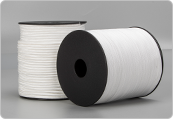
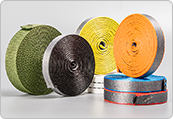
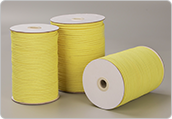
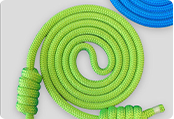
Elastic Stretch Cords are pretty handy tools that you’ll find useful in all sorts of situations. They’re quite versatile, offering both strength and flexibility — perfect for securing things during transport or tidying up around the house. Made from rubber or synthetic fibers, these cords can stretch quite a bit and then spring back without a fuss.
A lot of folks love how practical they are, but it’s important to know that they can be misused if you’re not careful. Overstretching one of these cords can cause it to snap or lose its stretchiness over time. So, understanding how far you can push them is pretty key if you want to get the most out of them. Also, using the right techniques makes a big difference — not just for safety, but for getting the job done efficiently.
Honestly, there’s a bit of a learning curve when it comes to using Elastic Stretch Cords effectively. If you’re not careful, it can get frustrating, especially when the cord breaks or doesn’t work the way you expected. But don’t worry — with a little practice and paying attention to how you handle them, you’ll get the hang of it. Having the right knowledge can even open up new ways to use these cords creatively. This little guide will give you some solid tips to use Elastic Stretch Cords safely and effectively — trust me, once you get the hang of it, it'll become second nature!

What is Elastic Stretch Cord? Definition and Composition
Elastic stretch cord is a versatile material often used in various applications, from crafting to sports equipment. It is composed of a core elastic material, typically rubber, joined with a durable outer layer. This design provides both flexibility and strength, allowing the cord to stretch and return to its original shape seamlessly. The cord can vary in thickness and strength, making it suitable for different purposes, whether for everyday use or specialized tasks.
Understanding how to use elastic stretch cord effectively is crucial. For crafting projects, it can secure lightweight items tightly. In exercise routines, it adds resistance to workouts. However, improper use can lead to breaking or injury, especially if the cord is overstretched or mismanaged. Always ensure the cord's load capacity matches your intended use. Learning from mistakes in usage can enhance future experiences.
The versatility of elastic stretch cord makes it a valuable tool, but it requires careful consideration. Ensure you choose the right type for your project to avoid frustration. This material has limitations, and not every task requires high elasticity. Recognizing when and how to use it effectively can contribute to more successful outcomes.
Key Properties of Elastic Stretch Cords in Engineering Applications
Elastic stretch cords are versatile tools used in various engineering applications. Their unique properties, such as elasticity, durability, and resistance to wear, make them a vital component in manufacturing processes and design. According to a recent industry report, the global market for stretch cords is expected to reach $4 billion by 2025, highlighting their importance in sectors like automotive and aerospace.
One key property of elastic stretch cords is their ability to maintain tension over time. This allows for consistent performance in dynamic environments. The cords can stretch to significant lengths without losing their original form or functionality. Studies have shown that cords made from high-quality materials can endure repetitive stretching, with a fatigue life of over 10,000 cycles, making them suitable for applications requiring repeated use.
When using elastic stretch cords, consider the load capacity to avoid breakage. Not all cords are created equal; the type and thickness affect strength. Ensure you follow safety guidelines, especially in high-stress applications. Regular inspection of the cords can help identify wear and prevent accidents. Understanding the specifications and limits of your cords ensures optimal use and longevity.
Industries Utilizing Elastic Stretch Cords: A Market Overview
Elastic stretch cords are increasingly used across various industries. Their versatility makes them indispensable in sectors ranging from manufacturing to sports. The global elastic cord market was valued at approximately 1.8 billion USD in 2022, with projections indicating continued growth. This growth is fueled by rising demand in the packaging, outdoor recreation, and automotive industries.
In the manufacturing sector, elastic stretch cords find applications in assembly lines, packaging, and securing materials. They adapt well, providing crucial support and flexibility. Similarly, in the outdoor recreation industry, elastic cords are vital for camping gear, outdoor equipment, and sports enthusiasts. Their ability to stretch ensures that gear remains secure during transport or storage.
Tips for using elastic stretch cords include ensuring proper tension when securing items. Overstretching can lead to damage or breakage. Test the cord's elasticity before purchase to guarantee its capability for your specific needs. Always store cords away from direct sunlight and moisture to enhance their lifespan. Understanding the specific use case for each cord can prevent oversights that may lead to accidents or equipment failure.
How to Properly Use Elastic Stretch Cords: A Step-by-Step Guide
Elastic stretch cords are versatile tools used in various applications, from fitness training to securing items. Proper usage is essential for maximizing benefits and ensuring safety. Understanding how to use these cords effectively requires attention to detail and technique.
Start by selecting the right length and resistance level. A cord that is too long may not provide adequate resistance, while one that is too short can restrict your movements. Check the manufacturer's guidelines, as reports indicate that using the wrong size can lead to decreased performance by up to 30%. Once your cord is ready, anchor it securely. Attaching it to a stable surface helps prevent accidents.
When using the cords, maintain proper form. Keep your core engaged and move slowly to feel the resistance. Studies suggest that performing controlled movements increases muscle engagement by 40%. Many users overlook the importance of breathing, which plays a role in endurance. Incorporate breathing techniques into your routine for better results. As you progress, assess your technique regularly. Remember, even experienced users benefit from checking their form and making necessary adjustments.
Safety Considerations When Using Elastic Stretch Cords
Using elastic stretch cords can enhance many projects, but safety measures are crucial. Incorrect usage can lead to injuries. According to a report by the American Society of Safety Professionals, improper handling of elastic cords contributes to various accidents each year. Awareness of risks must guide all usage.
Ensure the cords are free from damage. Regularly check for frays or wear. The integrity of a stretch cord affects its performance and safety. When stretched, if there are any defects, it can snap back unexpectedly. This can result in serious injuries. Always use protective gear like glasses and gloves if stretching cords in high-tension scenarios.
Proper storage matters as well. Keep cords away from direct sunlight and excessive heat. These conditions can weaken the materials, leading to failures. Consider keeping them coiled to prevent tangling. If you are unsure about their condition, replacing them is wise. Seek help to understand the right types for your specific needs.
Pay attention to your workspace. Ensure that no one is within the range of impact when using stretch cords. Proper precautions can mitigate the risks associated with these tools. Always prioritize safety to enjoy the benefits of elastic stretch cords responsibly.
What is Elastic Stretch Cord and How to Use It? - Safety Considerations When Using Elastic Stretch Cords
| Dimension |
Description |
Safety Considerations |
| Length |
Elastic stretch cords are available in various lengths, typically ranging from 1 foot to 10 feet. |
Ensure the cord is not overstretched beyond its recommended length to avoid breakage. |
| Material |
Commonly made from rubber or latex, with some incorporating a nylon or polypropylene outer layer for added durability. |
Check for allergic reactions to latex materials before use. |
| Weight Limit |
Can typically support weights from 5 lbs to over 100 lbs, depending on the thickness and quality. |
Do not exceed the manufacturer’s specified weight limit to prevent snapping. |
| Hook Type |
Features different hook styles such as s-hooks, carabiners, or plastic hooks, which can affect usage. |
Ensure hooks are secure and inspect for damage before use. |
| Usage Applications |
Used in securing loads, exercise bands, or as bungee cords in various settings. |
Always secure the elastic cords properly to avoid accidents during use. |
Maintenance Tips for Longevity of Elastic Stretch Cords
To ensure the longevity of elastic stretch cords, regular maintenance is crucial. These cords are essential for a variety of applications, from sporting equipment to securing cargo. According to a report from the American Society for Testing and Materials (ASTM), regular wear and tear can lead to a decline in elasticity within just a few months if not properly cared for.
One effective method for maintaining elastic stretch cords is to store them in a cool, dry place. Exposure to extreme temperatures or moisture can cause degradation. Additionally, inspecting the cords for signs of fraying or wear before each use can help prevent sudden failures. The National Institute of Standards and Technology (NIST) suggests that routine checks every 30 days can significantly extend the lifespan of these cords.
When using elastic stretch cords, avoid overstretching them beyond their maximum capacity. This practice may lead to irreversible damage. If a cord appears to have lost its stretchiness, it is better to replace it than risk a malfunction during use. It is crucial to embrace the idea that even high-quality cords have their limits. Regularly reflecting on the condition of these tools allows for better safety and effectiveness in their applications.
Common Applications of Elastic Stretch Cords in Daily Life
Elastic stretch cords are versatile tools that find numerous applications in daily life. They often serve as handy solutions for organizing household items or securing loose objects. Many people use them to bundle newspapers or magazines, keeping their spaces tidy. They can help manage cables, preventing tangles and clutter. In garages, elastic cords are great for holding tools together or attaching items to shelves.
Another common use is in outdoor activities. People frequently utilize elastic stretch cords to secure gear during camping trips. They can keep sleeping bags or tents compact in backpacks. At the beach, they can hold towels or beach mats in place against the wind. People often overlook these little conveniences. Yet, their ease of use makes them invaluable in everyday tasks.
While elastic stretch cords provide excellent flexibility, improper use can lead to mishaps. Users should never stretch them beyond their limits. This can cause them to snap unexpectedly, potentially causing injuries. Understanding their capacity is crucial. It’s also important to regularly check for wear and tear. A worn-out cord may not function reliably anymore. Adopting safe practices ensures these cords remain effective tools in our day-to-day lives.
FAQS
: It consists of a core elastic material, usually rubber, and a durable outer layer.
It can tightly secure lightweight items in various crafting projects.
Ensure the cord's length and resistance level match your workout needs for safety.
Overstretching can lead to breaking or injury; always check the load capacity first.
Maintaining proper form increases muscle engagement and reduces the risk of accidents.
It's beneficial to check regularly, as even experienced users can improve their form.
Yes, using the wrong size can decrease performance by up to 30%.
Breathing techniques enhance endurance and can improve overall performance during workouts.
No, not every task requires high elasticity; choose accordingly for better results.
Reflect on your choices and technique to find solutions and improve future experiences.
Conclusion
Elastic Stretch Cord is a versatile and resilient material commonly used in various engineering applications due to its unique properties such as high elasticity, durability, and resistance to environmental factors. Composed primarily of rubber and covered with a sheath, these cords provide indispensable support in numerous industries, including manufacturing, automotive, and outdoor recreation.
To effectively use Elastic Stretch Cords, it is essential to follow a step-by-step guide that emphasizes proper handling and installation techniques. Safety considerations should not be overlooked, as improper use can lead to accidents. Furthermore, maintaining these cords through regular inspections and appropriate storage ensures their longevity and optimal performance. Common applications of Elastic Stretch Cords range from securing cargo to creating flexible connections in everyday items, highlighting their importance in both industrial and daily life settings.