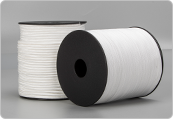
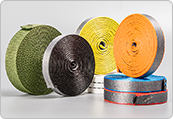
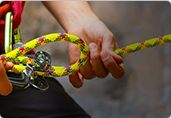
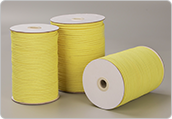
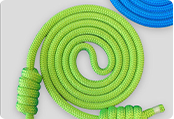
When you’re out on the water, safety and making sure your boat stays secure are super important. One key thing you need to get right is choosing the right boat dock lines. These ropes are what keep your boat attached to the dock, helping to prevent damage from waves, tides, or the current doing their thing. Picking the right ones can totally change your whole boating experience—fewer worries, more fun!
Now, boat dock lines come in all sorts—different materials, sizes, and strengths. It’s easy to overlook how important these details really are. If you’ve got a big boat, you’re gonna need a strong, sturdy line. For smaller boats, a lighter rope might do just fine. But here’s the thing—it's a mistake to think that any old rope will do the trick. You gotta use the right stuff.
Understanding what your boat actually needs is pretty crucial. Think about where you’re tying up—are there lots of strong tides or gusty winds? Picking the correct dock lines can really protect your boat and give you some peace of mind when you’re out there on the water. After all, a little prep goes a long way in keeping things safe and sound.

Types of Boat Dock Lines for Different Mooring Needs
When selecting boat dock lines, it's crucial to match them to your specific mooring needs. Different types of dock lines serve various purposes. For instance, braided lines are excellent for their strength and UV resistance. They provide durability, making them ideal for both freshwater and saltwater environments. The flexibility of braided lines also aids in easy handling during docking.
Another option is twisted dock lines. These are often more affordable and offer a decent grip. However, they can kink easily, causing frustration. If you're concerned about stretch, a double-braided line might be your best bet. These lines reduce shock loads, which is essential when securing your boat against waves and wind.
Consider the length and diameter of your lines too. A line that is too short may lead to insufficient tension, while a line that is too long can create hazards. If you're new to boating, seek advice from experienced sailors or marina staff. Learning from their experiences can help you make informed choices. There’s no one-size-fits-all solution. Each boat and marina setup requires careful thought in selecting the right dock lines.
Factors to Consider When Choosing Boat Dock Lines
Choosing the right boat dock lines is crucial for secure mooring. Several factors are essential to consider.
First, the material of the lines affects their durability. Common materials include nylon and polypropylene. Nylon is strong and stretches, making it ideal for absorbing shock. Polypropylene, on the other hand, is lightweight and floats, but it can degrade in UV light.
Length is another important factor. Lines should be long enough to allow for varying water levels. Typically, a line that's 1.5 times the height of your dock is recommended. You don’t want your boat bumping against the dock, which can cause damage.
Tips: Check the thickness of your lines. A thicker line usually offers better strength. Always inspect lines for fraying or wear. Regular checks can prevent accidents. Consider using quick-release knots for easy adjustments. A reliable knot can make all the difference in ensuring safety. The right lines enhance your mooring experience while reflecting on your setup's safety measures.
Best Materials for Durable and Weather-Resistant Dock Lines
Choosing the right materials for dock lines is crucial for secure mooring. Traditional ropes are often made from natural fibers or synthetic materials. Unfortunately, natural fibers break down easily in harsh weather. They absorb water and can rot. This is a significant drawback for long-term use.
Synthetic materials like nylon or polypropylene are more reliable. Nylon, for instance, offers excellent strength and elasticity. It can stretch under load, which helps absorb shock from waves. Polypropylene, on the other hand, is lightweight and resistant to mildew. This makes it a popular choice for many boaters. However, it may not have the same durability as nylon.
While both materials have their pros and cons, understanding their suitability is essential. Research suggests that a blend may offer the best of both worlds. Often, boaters find that combining materials leads to better performance. The decision should be based on specific needs and typical weather conditions. The right choice impacts safety and longevity. Evaluate your options thoroughly for the best results.
How to Properly Tie and Secure Boat Dock Lines
Properly tying and securing boat dock lines is essential for safe mooring. Boat docks experience fluctuations due to wind and current. According to the National Marine Manufacturers Association, nearly 30% of boating accidents involve improper mooring. Using the right techniques can minimize risks.
Begin by choosing a suitable knot, like the cleat hitch. It's user-friendly and secures effectively. After looping the line around the cleat, make a figure-eight pattern before securing it. This method can withstand varying conditions. Maintain an appropriate line length to allow for tide changes. Too short and your boat may strain; too long can lead to drifting.
Tip: Inspect your dock lines regularly for wear and tear. Frayed lines can lead to failure, compromising safety. Additionally, practice tying knots on dry land. This way, you’ll build muscle memory, aiding in quick setup when needed.
Remember, improper knotting can lead to accidents. Consistency in technique matters. Check local weather conditions before departing. Adjust your mooring plan accordingly. Adapting to the environment can significantly improve safety. Reevaluate your methods periodically to ensure reliability. A flexible approach can prevent common pitfalls in boat mooring.
Maintenance Tips for Prolonging the Life of Dock Lines
Mooring a boat securely involves choosing the right dock lines. However, the longevity of these lines is crucial. Proper maintenance can make a significant difference in their lifespan.
Inspect your dock lines regularly. Look for frays, knots, or wear. Small issues can turn into big problems. Replace worn lines immediately to ensure safety. Store the lines in a cool, dry place when not in use. This prevents mold and rotting.
Cleaning is essential. Use freshwater to rinse off salt and dirt after each use. Allow them to dry fully before storage. Sun exposure can weaken the fibers over time. Consider using protective covers or storing lines away from direct sunlight when possible. Taking these simple steps can help your dock lines last longer and perform better.
Best Boat Dock Lines for Secure Mooring Solutions
Recommended Brands and Products for Reliable Dock Lines
When it comes to securing your boat at the dock, having reliable dock lines is crucial. Marine industry data indicates that improper mooring techniques can lead to accidents and costly damages. It is essential to choose dock lines that offer durability and strength under varying conditions.
Look for dock lines made from high-quality materials like nylon. They provide excellent shock absorption and resistance to abrasion. A study by the Boat Owners Association revealed that 75% of boaters prefer dock lines with at least 12-strand construction for added strength. Additionally, consider the length and diameter based on your boat size and weight to ensure optimal security.
Tips for selecting dock lines: Ensure they are UV-resistant to withstand sun exposure. A good rule of thumb is to have lines that are 1.5 to 2 times the length of your boat. Regularly inspect your dock lines for wear and fraying. Small signs of damage can lead to larger issues during harsh weather. Remember, prioritizing quality may mean a higher initial investment, but it pays off in the long run.
Safety Precautions When Using Boat Dock Lines
When using boat dock lines, safety should always be your primary concern. Properly securing your boat prevents it from drifting away or damaging other vessels. Always inspect your dock lines for frays or damages before use. A line that appears fine may actually be weaker than it looks. This can lead to unexpected accidents.
Make sure to use the right knot for mooring. Common knots include the cleat hitch and bowline. Each knot serves a purpose, and incorrect usage can compromise safety. Keep your lines taut but not overly tight. Too much tension can cause wear on both the line and the boat. Regular maintenance and replacement of worn lines is crucial.
Always have a secondary system in place. This could be an additional line or a fender. Sometimes, one line may not suffice, especially in unpredictable weather. Harsh winds or currents can overpower a single line. Be vigilant during sudden weather changes. Your safety and the integrity of your boat depend on preparation and awareness.
Best Boat Dock Lines for Secure Mooring Solutions
| Mooring Line Type |
Material |
Length |
Diameter |
Breaking Strength |
Safety Precautions |
| Double Braided Line |
Nylon |
15 ft |
1/2 in |
4000 lbs |
Ensure proper knot tying |
| Three Strand Line |
Polypropylene |
20 ft |
3/8 in |
1800 lbs |
Check for wear and tear |
| Bungee Dock Line |
Elastic Nylon |
10 ft |
1/2 in |
3000 lbs |
Avoid sudden tension |
| Polyester Dock Line |
Polyester |
25 ft |
5/8 in |
5000 lbs |
Keep out of sunlight when stored |
| Anchor Line |
Nylon |
50 ft |
1/4 in |
3000 lbs |
Secure with appropriate connector |
FAQS
: Nylon and polypropylene are commonly used. Nylon offers strength, while polypropylene is lightweight.
Lines should be at least 1.5 times the dock height to handle varying water levels and prevent damage.
Inspect for fraying or wear regularly to enhance safety. Regular checks prevent accidents and ensure reliability.
Nylon has excellent strength and elasticity. It absorbs shock well, adapting to loading conditions better.
Natural fiber ropes can rot easily and absorb water, making them less reliable for long-term use.
Use quick-release knots for easy adjustments. Reliable knots can significantly improve safety during mooring.
Yes, a blend of materials can enhance durability and performance, catering to specific boating needs.
Weather conditions can degrade materials. It's vital to consider this when choosing dock lines for durability.
Conclusion
When it comes to ensuring secure mooring solutions, selecting the right Boat Dock Lines is essential. Various types of dock lines cater to different mooring needs, and it is crucial to consider factors such as length, thickness, and stretch when making a choice. Durable and weather-resistant materials play a significant role in the longevity of these lines, which can withstand the challenges posed by marine environments.
Properly tying and securing Boat Dock Lines enhances safety and stability while docked. Regular maintenance, including inspection and cleaning, will prolong the lifespan of the lines. Additionally, adhering to safety precautions ensures that boating experiences remain enjoyable and risk-free. By understanding these key aspects, boaters can choose reliable dock lines that meet their specific requirements.