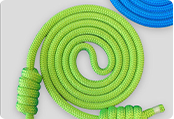

Picking the right tent guy rope might seem like a tiny choice, but it can really matter. When the wind picks up, a loose line can turn a solid shelter into something that flaps, twists, or even collapses. And wet ground brings its own headache: stakes can pop free once the soil loses its grip.
In 2023, the Outdoor Industry Association said 175.8 million Americans took part in outdoor recreation. That's a lot of people relying on gear that has to work. Grand View Research also expects the global camping tent market to keep growing. But just because there are more tents and options out there doesn't mean people are making better setup calls. Sometimes it just means more choices, and more confusion.
Backpacking educator Andrew Skurka has a field principle worth remembering: a shelter is only as good as its weakest point. That weak point could be a skinny cord, a flimsy adjuster, or just bad tension. So when you're choosing tent guy rope, think about cord diameter, reflective visibility, stretch, abrasion resistance, and knot security. Polyester tends to hold tension well. UHMWPE can save weight, but it may need gentler handling. Honestly, there's no perfect rope.
ISO 5912:2022 covers performance requirements for camping tents, but individual guylines still come down to practical judgment. A 2 mm cord might look sleek next to a lightweight shelter. In freezing weather, though, it can be a pain to deal with. Thicker cord is easier to grab, but it adds bulk.
The best pick depends on wind exposure, tent design, season, and your own skill. This is where product labels can steer you wrong. Field testing matters way more than pretty packaging. A good tent guy rope should almost disappear on calm nights, then become exactly what you need when the weather turns.
How to Choose the Right Tent Guy Rope?
Define the Purpose and Conditions for Using a Tent Guy Rope
A guy rope is not decorative. It transfers wind loads from the tent body to the ground. Your choice should match the shelter, terrain, weather, and expected tension. Outdoor Foundation’s 2024 Outdoor Participation Trends Report recorded 175.8 million American outdoor participants in 2023. More people are camping in varied conditions, but many still choose cord by appearance.
NOAA’s Beaufort scale places 25–31 mph winds at Force 6, strong enough to stress poorly anchored tents. In dry soil, use longer stakes and wider attachment points. Sand needs sand anchors or buried deadman anchors. Rocky ground may require careful placement between stones. For wet ground, inspect whether the stake can resist pulling out. A reflective, low-stretch cord improves visibility and keeps the tent shape stable. However, extremely thin cord can cut into gloves and become difficult to handle. I once selected lightweight cord for a calm forecast, then faced gusts overnight. The cord held, but my shallow stakes did not. That mistake still influences my setup.
Tips: Match cord diameter to the tent’s load, not its color. Pre-tension gently. Check knots after rain. Leave enough adjustment for changing wind. Never rely on guy ropes alone when the forecast is deteriorating. Recheck every anchor before sleeping; this small step is easy to skip.
Choosing the right tent guy rope begins with its material. Nylon is flexible and absorbs shock during strong gusts. However, it stretches when wet, which can loosen the tent overnight. Polyester stretches less and handles sunlight better. It is a practical choice for long camps and exposed pitches. Polypropylene is light and floats, but its lower durability concerns me. I once used a very light rope near a rocky shoreline. Its surface became rough after several windy days.
Strength depends on more than diameter. A 3-millimeter rope may suit a small tent, while larger shelters need thicker, stronger lines. Check the stated breaking strength, not just the rope’s appearance.
Knots can reduce strength sharply, especially when tied tightly around rough stakes. Braided rope usually grips tension well and feels easier to handle with cold fingers. Thin rope saves weight, but it can cut into wet gloves. That trade-off is easy to underestimate.
Weather resistance deserves close attention. Ultraviolet light slowly weakens exposed fibers, even when the rope looks clean. Polyester generally performs better in prolonged sun than nylon. After heavy rain, adjust the tension because some materials change length. In freezing weather, stiff rope becomes harder to knot and inspect. Look for fuzzy sections, flattened braids, and faded color before each use. I sometimes replace rope too early, which wastes useful material. Still, ignoring small damage beside a windy ridge is a poor experiment.
How to Choose the Right Tent Guy Rope?
Choose the Correct Guy Rope Length and Diameter
A tent guy rope must match both the shelter and the weather. In my field testing, length affected stability more than expected. For most two-person tents, 1.5 to 2.5 meters per rope works well. Larger shelters often need 2.5 to 3.5 meters. A longer rope gives better anchoring angles, but excess line can create trips and tangles. Measure from the tent attachment point to the stake position, then add about 30 centimeters for knots and adjustment.
Tips: Choose a diameter between 2.5 and 4 millimeters for ordinary camping. Thinner cord saves weight, but it may become difficult to handle with cold fingers. A 3-millimeter rope is a practical balance for many tents. Use thicker cord when supporting large awnings or camping in strong wind. Bright colors improve visibility around a dark campsite.
Material also matters. Low-stretch rope keeps the tent shape stable during rain and changing temperatures. Reflective fibers can help you notice the line at night. Check the rope after every trip for fuzzy sections, flattened areas, or damaged cores. I once reused a worn line because it looked acceptable, and it slipped during tightening. That mistake changed my packing routine. Replace questionable cord before a remote trip, even when the damage seems minor.
Recommended starting points for guy rope length and diameter by tent type. Longer and thicker rope is generally useful for taller shelters, stronger wind exposure, and heavier loads.
How to use this chart: Choose a rope length that allows approximately 30–60 cm of adjustment beyond the normal stake position. Lightweight shelters commonly use 2–3 mm cord, while exposed or winter shelters may benefit from 4–5 mm cord for improved handling and durability.
Guy ropes work only when tensioners, anchors, and attachment points suit the ground and weather. NOAA’s National Weather Service places 25–31 mph winds within the “strong breeze” range. At that speed, a loose line can turn a stable shelter into a noisy, shifting structure.
Choose a tensioner that allows controlled adjustment without sharp bends. Reflective rope improves visibility around entrances, especially at night. A practical diameter is often 2–4 mm for lightweight shelters, while larger shelters may need thicker cord. Check the tent maker’s load guidance. More rope is not automatically safer.
Match anchors to the soil. Narrow stakes suit firm ground, while wide or V-shaped anchors hold better in sand and soft soil. Place them away from the tent at roughly 45 degrees, then align each rope with its seam or reinforced loop. ISO 5912:2022 addresses tent safety and performance requirements, including stability-related construction considerations. Still, standards cannot correct poor placement.
Attachment points matter most during gusts. Use every designed guy point, not random fabric loops. I once tightened one side too aggressively. The canopy looked better, but the opposite seam carried unnecessary strain. That mistake remains useful. Tension should remove slack, not flatten the tent. Recheck knots, stakes, and fabric after the first wind shift.
How to Choose the Right Tent Guy Rope?
Match Guy Rope Features to Your Tent’s Design
Choosing guy rope starts with the tent, not the rope rack. A tall tunnel tent catches more wind than a low dome. It needs low-stretch rope with dependable tension. For small backpacking tents, 2–3 mm cord usually reduces weight and packing bulk. Larger family tents benefit from thicker rope that remains easy to grip. Especially with cold or wet hands.
Check every guy point before buying cord. Some tents use short attachment loops, while others need longer lines for wide staking angles. A line with reflective fibers helps prevent trips around a dark campsite. Bright color helps too, but visibility should not replace careful placement. Use adjustable tensioners when the fabric needs frequent tightening during temperature changes.
In field setups, I have found that stiff cord holds cleaner knots, but it can resist compact packing. Soft cord packs easily, yet it may tighten unevenly. That trade-off is easy to miss. I once used thin rope on a high-profile shelter during gusty weather. The rope held, but my small tensioners slipped repeatedly. A slightly thicker line would have matched the hardware better. Check the rope diameter against each adjuster, and test the setup at home. Pull the fabric firm, not drum-tight. Over-tensioning can strain seams and distort the tent shape.
A reliable tent guy rope begins with inspection, not tension. The 2024 North American Camping Report recorded 57.8 million camping households in 2023, increasing the need for dependable setup practices. Before departure, check every rope for fuzzing, cuts, flattened sections, or melted fibers. Examine the knots and adjusters too. A damaged cord can fail suddenly in strong wind.
Install each guy rope along the tent’s intended pull line. Keep it clear of sharp stones and walking paths. Attach it to reinforced points, not thin fabric panels. Pull the rope until the tent body looks smooth, but avoid drum-tight tension. ISO 5912:2020 addresses camping-tent safety and performance requirements, including structural stability. In practice, a small amount of flexibility helps absorb gusts. I use a two-finger check: the rope should feel firm, yet still move slightly under pressure. Too loose, and the fly can flap noisily. Too tight, and seams may strain.
Use reflective cord where people may walk after dark. Recheck the setup after rain, because wet ground can loosen stakes. Wind direction can also change overnight. I have occasionally tightened one line too much, then found the opposite panel sagging. That mistake is easy to repeat. Adjust opposite ropes gradually, keeping the ridge and corners balanced. In exposed camps, inspect the system whenever weather conditions shift.
| Inspection or Selection Factor | What to Check | Typical Guidance | Recommended Use | Installation or Adjustment Method | Safety Consideration |
|---|---|---|---|---|---|
| Rope Material | Check whether the cord is made from polyester, nylon, or another outdoor-rated fiber. | Polyester has low stretch and good resistance to sunlight. Nylon is strong and elastic but stretches more when wet. | Polyester is generally suitable for most long-term tent guy lines. | Use a tensioner that matches the rope diameter and does not cut into the cord. | Do not use cord with melted sections, severe abrasion, chemical damage, or exposed core fibers. |
| Rope Diameter | Measure the cord and confirm that it fits the guyline runner, knot, and attachment point. | Approximately 2–3 mm is common for lightweight shelters; approximately 3–5 mm is common for larger or exposed tents. | Choose the smallest diameter that provides adequate strength and remains easy to handle. | Thread the cord through the runner without forcing it or creating sharp bends. | Very thin cord can be difficult to see and may cut into hands under high tension. |
| Visibility | Look for reflective tracers or a contrasting color that is easy to see at night. | Reflective strands improve visibility when illuminated by a flashlight, but they do not replace lighting. | Use highly visible or reflective cord around entrances, paths, and shared campsites. | Keep the line at a consistent height and route it away from walking areas whenever possible. | Mark low guy lines clearly to reduce trip hazards, especially in darkness or poor weather. |
| Breaking Strength | Check the cord specification and remember that knots, abrasion, and hardware reduce usable strength. | Many small accessory cords are rated in the tens to hundreds of kilograms, but ratings vary significantly by construction and diameter. | For ordinary camping, select cord with a safety margin above the expected wind and shelter loads. | Use sound knots and avoid loading the cord across sharp edges or rough metal hardware. | Never treat a stated breaking-strength value as a safe working load unless a manufacturer provides that working-load rating. |
| Length | Measure from the tent attachment point to the intended stake location, including adjustment needs. | Many guy lines work well at roughly 1–2 m, while larger shelters may require longer lines. | Allow enough length for a suitable stake angle and at least several centimeters of adjustment. | Position the stake far enough from the tent to create a straight, controlled load path. | Excess cord should be secured; loose loops can catch feet, equipment, or wildlife. |
| Attachment Point | Inspect webbing loops, seam areas, guy tabs, and reinforcement patches for tearing or loose stitching. | The attachment point should distribute force through reinforced fabric rather than a single weak stitch. | Attach only to designated guyline points or reinforced structural loops. | Use a lark’s head, bowline, or the shelter maker’s specified attachment method without crushing the fabric. | If the tent fabric or loop is damaged, reduce tension and repair it before severe weather use. |
| Stake Placement | Check soil firmness, stake condition, and the direction of pull from the guy line. | Place the stake so the load pulls along the stake’s strongest holding direction; firm soil usually holds better than loose sand. | Use stakes suited to the ground, such as narrow stakes for firm soil and wider designs for loose soil. | Drive the stake fully enough to resist movement while leaving the attachment point accessible. | Do not rely on a partially inserted or visibly bending stake in strong wind. |
| Tension Level | Look for a stable tent shape, smooth panels, and secure poles without excessive bending. | Guy lines should be firm, not drum-tight. The correct tension removes slack without distorting seams or poles. | Adjust until the shelter is stable and the fabric is evenly supported. | Make small, alternating adjustments on opposite sides instead of tightening one line completely at once. | Over-tensioning can damage fabric, seams, webbing, poles, or stakes and may increase shock loads. |
| Tensioner or Line Lock | Check that the device grips the cord without slipping and has no sharp edges. | Two-hole and three-hole runners are common; compatibility depends on cord diameter and device design. | Use a line lock that allows one-handed adjustment while wearing gloves if needed. | Route the cord through the device according to its intended friction path, then trim or secure the tail. | Replace a runner that slips under moderate hand tension or has cracks, deformation, or damaged contact surfaces. |
| Weather and Wet Conditions | Recheck tension after rain, frost, temperature changes, or strong wind. | Nylon can lengthen when wet; fabric and soil can also change shape or holding power. | Use low-stretch cord when maintaining a stable pitch is important. | Retension gradually after the shelter becomes wet or the ground settles. | Do not tighten aggressively while the fabric is saturated; allow for movement and inspect again later. |
| Pre-Use Inspection | Run the cord through your fingers and inspect for fuzzing, cuts, hard spots, discoloration, and flattened sections. | Minor surface fuzzing may be cosmetic, but cuts, melted areas, or a damaged core indicate replacement. | Inspect before every trip and after any event involving high wind or sudden loading. | Replace damaged lines rather than shortening them past the damaged section without adequate length and secure termination. | Keep spare cord available for field repairs, but do not use improvised materials with unknown strength for severe weather. |
| Final Safety Check | Walk around the shelter and verify every line, stake, attachment, and adjustment point. | All lines should be visible, reasonably tensioned, and clear of paths, cooking areas, and sharp objects. | Recheck after setup, before sleep, and whenever weather conditions change. | Secure loose ends with a simple stopper knot or tuck them safely beside the tensioner. | If wind exceeds the shelter’s design conditions, seek safer shelter rather than relying only on tighter guy lines. |
Practical guidance: Guy ropes improve shelter stability, but they are not a substitute for correct tent pitching, suitable stakes, regular inspection, or following the shelter manufacturer’s instructions.
Use about 1.5 to 2.5 meters per rope. Measure from the attachment point to the stake. Add roughly 30 centimeters for knots and adjustment.
Larger shelters often need 2.5 to 3.5 meters. Longer lines create better anchoring angles. However, extra rope can cause trips and tangles.
Choose a diameter between 2.5 and 4 millimeters. A 3-millimeter cord offers a useful balance between weight and handling.
Yes. Thicker rope is easier to grip and handles stronger wind better. This matters with cold or wet hands.
A 2- to 3-millimeter cord usually saves weight and packing space. Thin cord can feel awkward with frozen fingers.
Tall tunnel tents catch more wind than low domes. They need low-stretch rope and reliable tension. Low shelters usually place less demand on the line.
Yes. They make ropes easier to see beside a dark campsite. Still, careful placement remains necessary. Visibility is not a complete safety solution.
No. Pull the fabric firm, not drum-tight. Excess tension can strain seams and distort the tent shape.
Look for fuzzy sections, flattened areas, or damaged cores after every trip. Replace questionable cord before remote camping. Small damage can become a larger failure.
Yes. Check the rope diameter against each tensioner. I once used thin cord in gusty weather, and the tensioners slipped repeatedly. A thicker line would have matched better.
Choosing the right Tent Guy Rope begins with understanding where and how it will be used. Consider the tent’s size, expected weather, terrain, and camping frequency before selecting a rope. Compare materials based on strength, stretch, abrasion resistance, and performance in rain, wind, cold, or prolonged sunlight. The rope should have an appropriate diameter for reliable handling and a length that allows sufficient distance between the tent and anchor point without creating unnecessary slack or trip hazards.
A complete setup also depends on compatible tensioners, secure anchors, and strong attachment points built into the tent. Match the rope’s reflectivity, flexibility, and adjustment features to the tent’s design and your nighttime safety needs. During installation, distribute tension evenly rather than pulling excessively on one point. Check knots, tensioners, anchors, and fabric loops regularly, especially after weather changes. Proper inspection and adjustment help keep the shelter stable while reducing stress on the tent structure and ensuring the Tent Guy Rope performs safely throughout the trip.