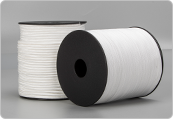
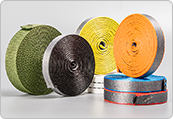
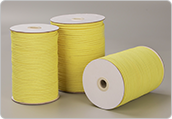
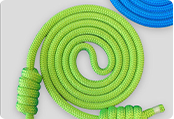
By 2026, folks looking for Nylon Cord will find a pretty wide range of options out there. As industries keep evolving, the need for top-notch materials is only getting bigger. You probably already know that Nylon Cord is prized for being strong, resilient, and super versatile. Big names like DuPont and INVISTA are really the leaders when it comes to making this essential stuff.
Picking out the best Nylon Cord isn’t just a walk in the park, though. You’ve gotta pay attention because each type has its own purpose. Whether it's for outdoor gear or heavy-duty industrial use, not all cords perform the same—some might not hold up in certain conditions, which makes you wonder about reliability and how to pick the right one.
Getting a good grasp on the different types of Nylon Cord is pretty important. Do some homework on the manufacturers and what they offer. Quality can really vary depending on where you’re buying from. Making the wrong choice could lead to failures or problems down the line, so zeroing in on the right specs is key. A little research here can save you from costly mistakes and make sure you’re getting exactly what you need.

Overview of Nylon Cord: Importance and Applications
Nylon cord plays a critical role in various industries due to its strength and versatility. This synthetic fiber is not only durable but also resistant to abrasion, making it ideal for numerous applications. Its resistance to weather and chemicals adds to its appeal, especially for outdoor use. Production processes that incorporate nylon cord ensure reliability and high performance. This fiber is commonly used in crafting, sports equipment, and industrial applications.
The applications of nylon cord are vast. For instance, in the outdoor gear industry, it is used for securing tents and backpacks. In crafting, it is essential for jewelry making and other DIY projects. While nylon cord is favored for its resilience, it has its limitations. Over time, UV exposure can weaken it. Users must ensure proper care and storage to maintain longevity. Understanding these nuances is crucial for making informed choices in procurement.
Key Features of Nylon Cord for Global Buyers
Nylon cord is a versatile material increasingly popular among global buyers. Its strength and durability make it suitable for various applications, from outdoor gear to industrial use. According to market analysis by Smithers Pira, the global nylon cord market was valued at approximately $3.5 billion in 2022, projected to grow at a CAGR of 4.2% through 2026. Buyers should pay attention to specific characteristics when selecting nylon cord.
One of the key features of nylon cord is its resistance to wear and abrasion. This quality enhances its longevity, making it a cost-effective option. Tests show that nylon cords can withstand loads of up to 500 pounds, providing confidence for users in demanding environments. Additionally, the elasticity of nylon helps absorb shock, which is crucial for applications like climbing or hauling.
Another important factor is moisture resistance. Nylon cord naturally repels water, which is vital for outdoor use. However, some types can absorb moisture when exposed for prolonged periods. Buyers should assess their use cases to ensure they select the right option. It is essential to consider both the benefits and limitations of nylon cord in your procurement decisions for 2026.
Best Nylon Cord Types for Global Buyers in 2026
| Nylon Cord Type |
Diameter (mm) |
Breaking Strength (kg) |
UV Resistance |
Applications |
| Nylon 6 |
1.5 |
200 |
Excellent |
Fishing, Camping |
| Nylon 66 |
2.0 |
300 |
Good |
Industrial, Marine |
| Braided Nylon |
3.0 |
150 |
Very Good |
Climbing, Crafts |
| Mil-Spec Nylon |
2.5 |
400 |
Excellent |
Military, Outdoor |
| Reflective Nylon |
1.0 |
100 |
Good |
Safety Equipment |
Popular Types of Nylon Cord: Strength and Flexibility
Nylon cord comes in various types, each with unique features. Strength and flexibility are key factors that buyers consider. A high-strength nylon cord is ideal for heavy-duty tasks. Meanwhile, flexible options serve well in applications requiring movement and stretching. This balance of strength and flexibility makes nylon cord exceptional in various industries.
When selecting nylon cord, consider the environment it will be used in. Different types react differently to heat and moisture. For instance, some cords may weaken when exposed to UV light. Testing the cord in realistic conditions can help gauge its performance. A practical approach is to buy small samples first.
Always look for tension limits. Overloading nylon cord can lead to breakage or failure. This can be dangerous, especially in critical applications. It’s best to err on the side of caution. Proper documentation of the chosen cord’s specifications may also be beneficial. Consider keeping records of usage scenarios to inform future purchases.
Best Nylon Cord Types for Global Buyers in 2026
Innovations in Nylon Cord Technology for 2026
Innovations in nylon cord technology are transforming the market. In 2026, buyers can expect improved durability and strength in various nylon cord types. Enhanced production methods are leading to lighter cords that maintain robust performance.
Sustainable practices are increasingly important too, as environmentally friendly nylon options emerge.
Tips: Consider the specific application of the cord. Different projects may require varying levels of strength and flexibility. Knowing the right type for your needs can save you time and resources.
A significant trend is the integration of smart technology. Some nylon cords can now include sensors that monitor weight and tension. This feature is particularly beneficial in applications such as climbing or load-bearing scenarios. However, the cost can be a drawback for some users.
Additionally, innovations in dyeing processes aim to create vibrant, long-lasting colors. These advancements reduce fading and environmental impact. Yet, some products still fall short in consistency. Buyers should seek reliable suppliers to ensure quality over time.
Environmental Impact and Sustainability of Nylon Products
The environmental impact of nylon products is significant. As we look toward 2026, understanding this impact is crucial. Nylon is a petroleum-based synthetic fiber. Its production releases harmful greenhouse gases. This contributes to global warming. Moreover, nylon is not biodegradable. It can persist in landfills for hundreds of years.
To reduce your environmental footprint, consider alternatives. Biodegradable materials are gaining popularity. Look for options made from recycled materials as well. Even small choices can lead to important changes. Supporting sustainable manufacturers makes a difference too. Research their production methods before purchasing.
Tips: Always check labels for sustainability certifications. They indicate responsible practices. Educate yourself on the life cycle of nylon. Understanding its journey helps you make informed decisions. Remember, every purchase has an impact. Reflect on how you can contribute to a more sustainable future.
Market Trends: Demand for Various Nylon Cord Types
The demand for various nylon cord types is steadily increasing. Industries such as automotive, fishing, and sports are driving this trend. Buyers are looking for durable, lightweight, and flexible options. The versatility of nylon cords makes them suitable for a range of applications. Additionally, their resistance to abrasion and chemicals enhances their appeal.
Emerging market preferences indicate a significant shift towards eco-friendly materials. Many buyers are now considering the environmental impact of their choices. This shift poses a challenge for manufacturers. There is pressure to develop sustainable nylon options without compromising quality. A balance must be struck between durability and environmental responsibility.
Global trends show an inclination towards high-strength nylon cords. These products are essential in areas requiring reliability. However, some manufacturers struggle to keep up with evolving standards. The need for innovation is clear. It’s crucial for producers to listen to market feedback and adjust accordingly. Understanding these dynamics will be key for success in 2026.
Guidelines for Selecting the Right Nylon Cord for Your Needs
Choosing the right nylon cord for your specific needs can be a daunting task. Various factors play a crucial role in the selection process. Start by considering the cord's tensile strength. This indicates how much weight the cord can hold without breaking. For heavy-duty applications, look for cords with high tensile ratings.
Different types of nylon cords are available, each with unique properties. Some cords are more resistant to UV rays and abrasion than others. These features can significantly affect their lifespan, especially in outdoor conditions. Additionally, think about the cord's diameter. Thicker cords often provide more strength, but they can be bulkier and harder to handle. Consider your specific application and the environment in which the cord will be used.
While it’s important to assess technical specifications, User reviews can provide insight into performance and durability. However, be aware that not all feedback is reliable. Evaluating both positive and negative reviews helps in making a more informed decision. Testing a small sample can also reveal the best fit for your needs. When it comes to nylon cords, understanding your requirements is key to making a confident purchase.
FAQS
: Nylon cord is used in outdoor gear, industrial applications, and various other areas.
Its strength, durability, and moisture resistance make nylon cord a popular choice.
Some nylon cords can withstand loads up to 500 pounds.
Yes, nylon cord repels water, but it can absorb moisture over time.
There is a growing demand for durable and eco-friendly materials.
Industries like automotive, fishing, and sports are key drivers of demand.
Buyers should evaluate strength, elasticity, moisture resistance, and intended application.
Some manufacturers face challenges in meeting evolving quality standards.
Yes, there's pressure to create eco-friendly nylon options.
Balancing durability with environmental responsibility is a key challenge.
Conclusion
The article titled "Best Nylon Cord Types for Global Buyers in 2026?" provides a comprehensive overview of nylon cord, highlighting its importance and applications across various industries. It delves into key features that appeal to global buyers, such as strength and flexibility, which are crucial for different uses. The discussion on popular types of nylon cord emphasizes their performance characteristics, while innovations in technology for 2026 demonstrate the ongoing advancements to enhance durability and functionality.
Additionally, the article addresses the environmental impact and sustainability of nylon products, acknowledging the growing market trends that reflect increased demand for diverse nylon cord types. Buyers are equipped with guidelines to select the right nylon cord tailored to their specific needs, ensuring they make informed choices that align with both performance requirements and environmental considerations.