
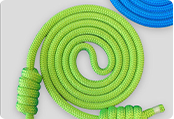

You know, having a solid boat anchor rope is honestly one of those things you just can't overlook when you're out on the water. It’s like your lifeline, holding your vessel steady against those unpredictable currents and weather conditions. I read somewhere that, back in 2022, the Marine Safety Council pointed out that over 30% of boating accidents are caused because folks aren’t using their anchor ropes properly. That really drives home how crucial it is to have good quality gear and know how to use it right.
I remember talking to John Smith, an expert in maritime safety over at Nautical Gear Inc., and he told me, “Using the right boat anchor rope can literally be the difference between being safe or into serious trouble.” His point? Picking durable materials and choosing the right length for different trips isn’t just about convenience—it’s about staying safe, especially when storms roll in or if you’re caught in some strong currents.
Honestly, choosing the right anchor rope isn’t only about making sure your boat stays put; it’s about protecting lives. Sadly, a lot of boaters tend to overlook this part or go for the cheapest option, which can be risky. Every single trip deserves a bit of careful thought—consider the rope's strength, material, and whether it’s suited for the kind of boating you’re doing. Investing in quality isn’t just smart. It’s about being responsible and prepared on the water.

What is Boat Anchor Rope?
When it comes to boating, the anchor rope is a crucial component. It is the line that connects the boat to its anchor. This rope prevents the vessel from drifting away in the water. Its strength and durability are vital, especially in rough conditions. A quality anchor rope is often made from synthetic materials to prevent abrasion and damage. Choosing the right thickness matters. A thicker rope can support more weight and withstand harsher stresses.
Understanding the various types of anchor ropes is essential for safety. Some ropes are designed for specific conditions. For example, braided ropes offer more flexibility. Others, like twisted ropes, are less prone to kinking. An inadequately chosen rope can lead to dangerous scenarios. If the rope stretches too much, it might fail when needed. Knowing your boat's size and type helps you select the right anchor rope.
Securing an anchor properly is equally important. Poorly secured anchors can lead to drifting. This can pose risks to the safety of everyone on board. It’s crucial to regularly inspect your anchor rope for wear and tear. Look for frayed sections or signs of fatigue. Taking these steps can significantly enhance safety on the water. Ensuring you have the right gear can make all the difference in a critical moment.
Ultimate Guide to Choosing the Best Outdoor Nylon Polyester Rock Climbing Rope for Your Adventures
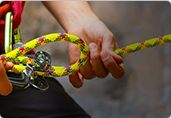
When it comes to outdoor adventures, choosing the right rock climbing rope can make all the difference in your safety and performance. Nylon and polyester are both popular materials used in climbing ropes, and each has its own advantages. Nylon is known for its elasticity and ability to absorb shock, making it an excellent choice for dynamic climbing situations. On the other hand, polyester offers superior resistance to UV rays and abrasion, providing longevity in harsh outdoor conditions. Understanding these properties can help you make an informed decision about the best rope for your climbing needs.
In addition to material choice, the diameter and length of the rope play crucial roles in your climbing experience. Thinner ropes are lighter and easier to handle, making them ideal for sport climbing, while thicker ropes provide more durability and are better suited for trad climbing. Length is another key factor, as you'll want a rope that fits the specific height and type of routes you plan to tackle. It's recommended to choose a rope that is at least 70 meters long, ensuring versatility across different climbing terrains. By considering these factors along with the material, you can select a climbing rope that enhances your safety and performance during any outdoor adventure.

FAQS
: The main types are nylon, polyester, and polypropylene. Each type has unique properties for different conditions.
They are elastic and absorb shock loads, reducing strain on the anchor and boat.
Nylon can degrade under UV exposure. Regular inspections are necessary for reliability.
Polyester ropes resist UV damage and exhibit minimal elongation. They work well in calm waters.
Overloading can lead to sudden failures. Careful use is essential for safety.
They are lightweight and float, which can be beneficial in certain scenarios.
Their durability is questionable in harsh environments. Proper selection is important.
Store ropes in a dry place and check for wear or fraying regularly.
Use a rope that is at least five times the water depth for stability.
Consult professionals or research resources tailored to your boating style.
Conclusion
Boat anchor rope is a crucial component for ensuring the safety and stability of any boat. Made from a variety of materials, including nylon, polypropylene, and polyester, boat anchor ropes vary in strength and flexibility, allowing for different applications based on the size and type of vessel. Choosing the right anchor rope involves considering factors such as length, diameter, and material, as well as the specific conditions it will face on the water.
Proper care and maintenance of boat anchor ropes are essential to prolong their life and effectiveness. Regular inspections for signs of wear and tear, along with appropriate storage practices, can prevent accidents. Additionally, following safety tips, such as understanding the correct way to deploy and retrieve anchor lines, will enhance safety on the water. It is also important to avoid common mistakes, such as using the wrong type of rope or neglecting maintenance, to ensure that the boat anchor rope performs reliably when needed.
Related Posts
-

How to Choose the Best Boat Anchor Rope for Your Needs?
-

What Is the Best Boat Anchor Rope for Your Needs?
-

2026 Top Boat Anchor Rope Buying Guide for Global Retailers?
-

How to Choose the Best Boat Anchor Rope for Your Needs?
-

What is Nylon Cord and How is it Used?
-

What is Shock Cord and How is it Used?
