
0%

When you're into boating or just love spending time on the water, finding a good Boat Anchor Rope is kind of crucial. I mean, having reliable and sturdy ropes isn’t just about convenience; it’s really about safety out there. Companies like Marine Gear make sure to offer a wide range of options, so you’re pretty much covered no matter what.

Honestly, choosing the right rope can feel a bit overwhelming sometimes. There are so many materials, different strengths, and all these technical specs. It’s easy to find yourself wondering, 'Which one actually fits my needs best?' Plus, trying to balance quality and budget can be tricky—completely normal to feel a bit unsure about these choices.

And let’s not forget—the environment you’re in matters a lot. Saltwater, freshwater, storms—each situation can impact how a rope performs. That’s why it’s so important to do a little homework, ask questions, and reflect on your past experiences. Trusting reputable suppliers can definitely make your life easier, and take some of the guesswork out of it all.

Top Quality Boat Anchor Rope for Your Global Sourcing Needs?

Top Quality Boat Anchor Rope: Characteristics and Standards

When selecting boat anchor rope, quality is paramount. The right rope ensures safety and reliability while at sea. Durable materials, such as nylon or polyester, are often recommended due to their strength and resistance to UV rays and saltwater. Choosing a rope that meets industry standards can help prevent failure in critical moments.

Tips for selecting the right anchor rope include:
- Checking the breaking strength. It should be at least five times the weight of your boat.
- Regularly inspect the rope for wear and tear. Frayed sections can compromise the integrity of the rope.
- Maintaining a proper storage method is also essential. A wet or dirty rope can degrade faster than you think.

Many users overlook the importance of diameter when choosing anchor rope. Thicker ropes handle more weight but can be bulkier to store. On the other hand, thinner ropes may save space but can be less durable. Balancing space and strength is key. Reflect on what your specific needs are. Each boat is different, and so are the conditions they face.

Understanding Different Types of Boat Anchor Ropes Available in the Market

When choosing boat anchor ropes, it's essential to understand the various types available in the market. Different materials serve distinct purposes. For instance, nylon is popular for its strength and elasticity. Polypropylene, on the other hand, floats and is great for small boats. According to a report by the Marine Industry Association, over 50% of boaters prefer nylon ropes for their durability in harsh conditions.

The diameter of the rope also matters. Typically, a rope should be at least 7-10mm thick for average-sized boats. Thicker ropes provide higher strength but can also add weight. A study from the National Marine Manufacturers Association suggests that 30% of boaters experience issues with rope quality, highlighting the importance of selecting the right material and thickness.

Tips: Always check for abrasion resistance. Ropes with a higher tensile strength will last longer. Consider the length needed based on your boat size. Keep in mind that buying a more affordable rope might lead to replacing it sooner than expected. Investing in a high-quality rope enhances safety and reliability on the water.

Key Material Composition of High-Performance Boat Anchor Ropes

When selecting boat anchor ropes, understanding their material composition is crucial. High-performance ropes often utilize polyester and nylon. Polyester resists UV degradation, making it suitable for prolonged exposure to sunlight. Its low stretch retains anchor holding power under various conditions.

Nylon, known for its stretch, offers shock absorption. This is beneficial in rough waters. A report by the Marine Industry Association reveals that over 70% of boaters prefer nylon for its durability and elasticity. However, it's essential to consider the downsides. Nylon can absorb water, leading to increased weight and potential mold growth.

Manufacturers strive for a balance in material. Some combine braided polyester with nylon to harness the advantages of both. Yet, the mix may create inconsistencies in performance. Keeping this in mind can lead to better choices for your anchoring needs. An informed selection can make a significant difference in your boating experience.

Industry-Specific Testing Methods for Anchor Rope Durability and Strength

When sourcing boat anchor rope, understanding its durability and strength is crucial. Different industries require various testing methods to ensure that the rope meets safety and performance standards. It is not just about looking at specifications; real-world testing provides insights into performance under stress. Many manufacturers employ standardized tests to measure tensile strength, abrasion resistance, and stretch characteristics. This hands-on approach reveals how the rope behaves during challenging marine conditions.

Moreover, the results from these tests can differ widely based on material and environmental factors. For instance, some ropes may perform excellently in calm waters but falter in rough conditions. This inconsistency highlights the importance of selecting the right tests for specific applications. Buyers may often overlook this aspect. A rope might appear robust on paper, yet real-life scenarios test its reliability.

It is essential to seek information from credible industry sources regarding testing methods. Engaging with experts who have hands-on experience can provide valuable insights. Understanding the nuances of anchor rope performance can lead to better sourcing choices. A rope that can withstand harsh elements will ensure safety and durability, making it a worthy investment.

Comparative Analysis of Anchor Rope Performance in Various Marine Conditions

Choosing the right anchor rope is essential for boat safety and efficiency. Different marine conditions present unique challenges. For instance, turbulent waters require stronger materials. In contrast, calmer seas might allow for lighter ropes. A comparative analysis reveals that some ropes perform better in specific environments due to their construction and material properties.

Nylon ropes are well-known for their elasticity. They can absorb shock loads effectively. However, they might degrade faster under UV exposure. On the other hand, polyester ropes resist UV damage better but lack the same shock absorption. This difference is crucial during sudden changes in wind or wave action.

Understanding these factors can prevent potential mishaps at sea. Testing various ropes under diverse conditions can yield useful insights. Observing how they behave during real-world use reminds us that no single rope type is perfect. Each application may highlight the strengths and weaknesses of different materials.

Factors Influencing Boat Anchor Rope Selection for Global Sourcing

Selecting the right boat anchor rope is crucial for mariners. Many factors can influence your choice. The type of material impacts the rope's strength and durability. Common options include nylon and polyester. Each offers unique benefits but may perform differently under stress.

Another important factor is the rope's diameter. A thicker rope generally provides increased strength. However, it may be harder to handle. You must balance strength with usability. Also, consider the anchor's weight. Lighter anchors may require thinner ropes, while heavier ones benefit from robust options.

Weather conditions are often overlooked. Extreme temperatures can affect the rope's integrity. Sun exposure can lead to UV damage over time. Regular inspections are essential. Look for signs of wear. Addressing issues early can prevent failures when you need the rope most.

Factors Influencing Boat Anchor Rope Selection for Global Sourcing

Cost-Benefit Analysis of Investing in Quality Anchor Ropes for Marine Use

Investing in high-quality anchor ropes is critical for marine safety and performance. When choosing a rope, consider its durability against harsh marine conditions. Ropes made from premium materials resist wear and tear, ensuring a reliable hold. This can prevent costly accidents on the water.


Some may wonder if spending more on anchor ropes is necessary. However, the savings from preventing accidents or replacing inferior products can be significant. Low-quality ropes may break, leading to lost equipment and danger to crews. By investing in sturdy ropes, boat owners can minimize risks and improve their boating experience.


It's essential to evaluate the specific needs of your vessel and the waters you navigate. Factors like boat size, weight, and typical conditions should guide your choice. Reflecting on these details can help ensure safety and functionality. Remember, not all ropes are created equal, and the right choice can make all the difference.

The Ultimate Guide to Choosing the Right Outdoor Nylon Polyester Rock Climbing Rope for Your Adventures

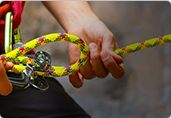
When it comes to planning your next rock climbing adventure, selecting the right outdoor nylon polyester rope is crucial for your safety and performance. A well-chosen climbing rope can make a significant difference in how you manage risks and maneuver during your climb. When considering a climbing rope, think about the material; nylon polyester ropes are highly favored for their durability and resistance to abrasion, which is essential for outdoor use across various terrains.

In addition to durability, you should consider the rope's diameter and length. Thicker ropes generally offer more strength and are easier to handle, making them ideal for beginners or heavy-duty climbs. On the other hand, a thinner rope can lighten the load, making it an excellent choice for experienced climbers looking to minimize pack weight. It's also essential to choose the right length based on the climbing routes you plan to tackle. Longer lengths provide more versatility for various climbs, while shorter options can suffice for quick sessions or single-pitch climbs.

Lastly, pay attention to the rope's dynamic and static properties. Dynamic ropes stretch under load, which helps absorb the impact of a fall, while static ropes are best suited for rappelling and hauling gear. Understanding these characteristics will help you select a rope that meets your specific climbing needs, enhancing both safety and enjoyment on your outdoor adventures. Choosing wisely empowers your climbing experience while ensuring you're prepared for the challenges ahead.

FAQS

: Why is choosing the right anchor rope important?

: The right anchor rope is vital for boat safety and efficiency in varying marine conditions.

What are the benefits of nylon ropes?

Nylon ropes are elastic and effectively absorb shock loads, making them suitable for turbulent waters.

How does UV exposure affect nylon ropes?

Nylon ropes may degrade faster when exposed to UV light, impacting their longevity.

What are the advantages of polyester ropes?

Polyester ropes resist UV damage better, but they lack some shock absorption capabilities.

Why should I invest in quality anchor ropes?

High-quality ropes resist wear, ensuring a reliable hold and minimizing the risk of accidents.

Can low-quality ropes lead to dangerous situations?

Yes, low-quality ropes may break and cause lost equipment and danger to crews.

How can I choose the right anchor rope for my boat?

Evaluate your vessel's size, weight, and the typical conditions you navigate for the best results.

What should I reflect on before selecting a rope?

Consider your specific needs, like your boat's characteristics and the marine environment.

Is it worth spending more on robust anchor ropes?

Yes, preventing accidents can save money in the long run over replacing inferior products.

Are all ropes suitable for every condition?

No, each rope type has strengths and weaknesses; understanding these helps avoid potential mishaps.

Conclusion

When considering global sourcing needs, selecting the right Boat Anchor Rope is crucial for ensuring safety and effectiveness in marine operations. The article outlines essential characteristics and standards that define high-quality anchor ropes, along with an overview of various types available on the market. It emphasizes the key material compositions that enhance the performance of these ropes and highlights industry-specific testing methods to assess durability and strength.

Furthermore, the article provides a comparative analysis of anchor rope performance under different marine conditions, addressing the factors that influence the selection of ropes for specific applications. A cost-benefit analysis underscores the importance of investing in quality Boat Anchor Ropes, illustrating how they can ultimately lead to greater reliability and reduced costs in the long run. By understanding these elements, businesses can make informed decisions that ensure optimal performance of their marine equipment.

Lila

Lila

Lila is a seasoned marketing professional at Shenzhen Shengtuo Outdoor Products Co., Ltd., where she brings a wealth of expertise in the outdoor rope manufacturing industry. With a keen understanding of the company's core products, including paracord, bungee rope, UHMWPE, and aramid, Lila is......
Previous 2026 How to Choose the Best Shock Cord for Your Needs?