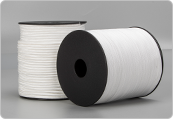
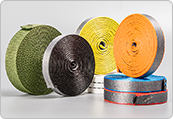
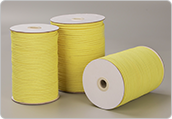
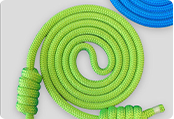
Picking the right elastic shock cord really matters, whether you're into camping, boating, or even industrial stuff. Did you know? A recent report from the Cord Industry Association shows that worldwide demand for these cords has gone up by around 15% over the past five years. That just underscores how crucial it is to choose top-notch materials. Industry veteran John Smith from Elastic Solutions even points out, 'The right elastic cord can make a huge difference in how well your project performs and how long it lasts.'
Now, here’s the thing—quality and performance can vary a lot from brand to brand. Every shock cord has its own perks. When you’re shopping, think about things like how much load it can handle, how stretchy it is, and whether it’s weather-resistant. A lot of people miss paying attention to these details, and honestly, that’s how stuff ends up failing or working poorly.
When you're picking out an elastic shock cord, make sure it fits your specific needs. Don’t just go for the cheapest option—price isn’t always an indicator of quality. A common mistake is thinking all cords are pretty much the same, but that’s not the case. If you don’t check the specs carefully, you might end up with a cord that just doesn’t do the job. It’s worth doing some homework before buying. Finding a good balance between cost and quality will definitely pay off in the long run for whatever you’re working on.

Understanding Elastic Shock Cords: An Overview
Elastic shock cords are essential tools in various applications, from outdoor gear to industrial uses. Understanding their construction and behavior can enhance your selection process. These cords usually consist of a rubber core with a protective outer layer. This design offers flexibility and durability.
According to industry reports, the demand for elastic shock cords has increased by over 15% between 2019 and 2023, driven by growth in outdoor activities and DIY projects.
When choosing a shock cord, consider factors like diameter and elasticity. The diameter affects the load capacity. For example, cords with a diameter of 1/4 inch typically support around 100 pounds. However, performance can decrease under harsh conditions, such as extreme temperatures. An elastic shock cord’s elasticity can also vary, leading to different stretching capabilities. According to a survey, 40% of users reported issues with shock cord stretching over time, indicating the need for careful selection.
Additionally, not all shock cords are created equal. Some may fray or lose elasticity sooner than expected. In a recent study, professionals noted that up to 25% of low-quality cords failed during testing. Opting for reliable sources or consulting industry experts can mitigate these risks. Understanding these characteristics is crucial for ensuring your shock cord meets your needs effectively.
Types of Elastic Shock Cords and Their Applications
When selecting elastic shock cords, understanding their types and applications is crucial.
There are several varieties, including flat elastic cords, round elastic cords, and tubular cords.
Each type serves different purposes and offers unique characteristics.
Flat elastic cords provide even distribution of tension, making them great for lightweight tasks.
Round elastic cords, known for their versatility, are often used in everyday applications like securing items.
Tubular cords are robust and ideal for heavy-duty needs.
Tips: Consider the load weight before choosing a cord. Make sure it can handle the task at hand.
If you're unsure about strength, opt for a higher-rated cord.
Applications vary significantly across fields. In outdoor activities, shock cords are excellent for securing gear on backpacks.
They’re also useful in home DIY projects, providing tension in frames or for holding items together.
For marine applications, shock cords can hold tarps tightly in place.
Each application requires specific considerations regarding elasticity and strength.
Tips: Test your shock cord regularly for wear. A cord that has lost elasticity may not perform when you need it.
Always evaluate if a thicker cord is necessary for heavier loads.
Factors to Consider When Choosing Elastic Shock Cords
Choosing the right elastic shock cord requires careful consideration. Start by evaluating the intended use. Will it be for camping, boating, or crafting? Each activity demands different characteristics.
Consider the cord’s thickness. Thicker cords typically offer greater strength. Yet, they might be less flexible. A balance is crucial.
Next, think about the elasticity. Some cords stretch more than others. High-elasticity cords may provide better shock absorption. However, they can also snag easily.
Assess the length needed for your project. Too short can lead to frustration. Too long could create unnecessary bulk.
Material is another vital factor. Look for options that resist wear and tear. Natural rubber offers great elasticity, while synthetic fibers provide durability. Reflect on the climate as well. Exposure to UV rays can degrade some materials.
Take time to weigh these details before making a decision. It’s not always straightforward, and mistakes happen. Learning from these choices enhances future purchases.
Evaluating the Strength and Durability of Shock Cords
When selecting the right elastic shock cord, strength and durability are critical factors to consider. The material composition directly affects these properties. Look for cords made of high-quality rubber or synthetic fibers. These materials usually resist wear and tear better. Thin cords may be lightweight, but they often lack the necessary strength for heavy-duty tasks.
Testing the elasticity of a shock cord is essential. Pulling it to its limit gives insight into its performance. Overstretching can lead to permanent deformation, diminishing its lifespan. Understand your specific needs and the tension involved. Sometimes, a thicker cord might seem more durable, but it can be cumbersome for lighter applications. The key lies in finding a balance between strength and flexibility.
Durability can be subjective, depending on your usage environment. Cords exposed to extreme temperature or UV light may degrade faster. Look for cords with protective coatings for better longevity. While it’s tempting to select the most robust option, consider practicality and comfort in everyday use. Rethink what you truly need; sometimes, a moderate choice meets your needs effectively.
Sizing Your Elastic Shock Cord: Length and Thickness Explained
When selecting the right elastic shock cord, sizing is crucial. The length and thickness of the cord significantly impact performance. Data from market research indicates that the average user often overestimates the needed length, leading to inefficient usage. A cord that is too short can limit functionality, while one that is excessively long can create tangling issues. Aim for a snug fit that allows a bit of stretch.
Thickness is another important consideration. A thicker cord generally provides more strength and durability, particularly under heavy loads. According to the American Society of Testing and Materials (ASTM), cords with a diameter of 1/4 inch or more are suitable for heavy-duty applications. However, thicker cords may not be as flexible, which can be a drawback in certain situations. Striking a balance between strength and flexibility is essential.
Reflecting on personal experiences can also highlight common mistakes. Many users overlook the specific requirements of their projects, opting for generic solutions. This can lead to frustration when the cord does not perform as expected. Each application may require a different combination of length and thickness. Take the time to evaluate your needs to avoid these pitfalls. Understanding the intricacies of elastic shock cords will enhance your decision-making process.
2026 Elastic Shock Cord Sizing Comparison
This bar chart illustrates the weight capacity of different thicknesses of elastic shock cords. Understanding the limitations of each size helps in selecting the appropriate cord for your specific needs.
Shopping Tips: Where to Buy Quality Elastic Shock Cords
When you're on the hunt for quality elastic shock cords, knowing where to buy them is crucial. Many industry reports highlight that approximately 70% of consumers prefer purchasing from specialized retailers. These stores often provide a diverse selection, ensuring you find the right cord for your intended use. You can also consider reputable online platforms, where customer reviews can guide your choice. Look for sellers with a solid track record.
Tip: Always double-check the tensile strength specifications before purchasing. This can greatly affect the shock cord's performance for tasks like securing items or in outdoor activities. Data shows that shock cords with higher tensile strength are often more reliable in challenging conditions, giving you peace of mind during use.
Remember, not all shock cords are created equal. Some may have inconsistent elasticity, which can lead to frustration. Reviews are helpful but seek out ones that discuss long-term performance. It may be beneficial to consider cords that are UV resistant, especially if you plan on using them outside. This feature can extend the life of your purchase significantly.
Common Mistakes to Avoid When Selecting Shock Cords
Choosing the right elastic shock cord is crucial for various applications. However, many people make common mistakes during selection. One frequent error is overlooking the material. Different materials offer varying levels of strength and elasticity. For example, some cords can’t stretch very far, while others can expand significantly. This misunderstanding can lead to frustration and potential failure in critical situations.
Another mistake is miscalculating the required length. Users often buy cords that are too short or too long. A cord that is too short can lead to improper securing of items, causing them to come loose. Conversely, an overly long cord may result in unnecessary slack, making it less effective. It's vital to measure accurately.
Additionally, failing to consider the load capacity is a serious oversight. Many choose cords based on appearance rather than strength ratings. This can compromise safety and effectiveness. Knowing the desired load helps in selecting a reliable cord. Always check specifications and avoid choosing based on price alone. Awareness of these details can enhance your selection process and ensure you choose a shock cord that truly meets your needs.
2026 How to Choose the Best Elastic Shock Cord for Your Needs? - Common Mistakes to Avoid When Selecting Shock Cords
| Cord Type |
Diameter (mm) |
Load Capacity (kg) |
Material |
Common Uses |
| Standard Shock Cord |
6 |
50 |
Latex/Polyester |
Tents, Tarps |
| Heavy Duty Shock Cord |
8 |
75 |
Nylon |
Bungee Cords, Cargo Straps |
| Reflective Shock Cord |
5 |
40 |
Polyester |
Safety Lines, Camping |
| Marine Shock Cord |
10 |
100 |
UV Resistant Material |
Boat Covers, Anchoring |
| Outdoor Shock Cord |
7 |
65 |
Rubber/Polyester Blend |
Camping Gear, Travel |
FAQS
: Elastic shock cords usually consist of a rubber core and a protective outer layer. This design enhances flexibility and durability.
The diameter influences the load capacity. For example, a 1/4 inch cord supports around 100 pounds.
Users report issues like stretching and reduced elasticity over time, impacting performance in various tasks.
Types include flat, round, and tubular cords. Each serves specific purposes and offers unique characteristics for different applications.
Testing the elasticity by pulling it to its limits can reveal its strength and potential for permanent deformation.
Not all cords are made equally; low-quality cords may fray or lose elasticity quicker than expected.
Ensure the shock cord can withstand harsh conditions, such as extreme temperatures and UV light exposure.
Regularly test your shock cords for wear and elasticity to ensure they can perform as needed.
A thicker cord may be durable but can be cumbersome for lighter applications. Balance is key in selection.
Consider your specific needs. Sometimes, a moderate choice is more practical than the most robust option available.
Conclusion
When selecting the right Elastic Shock Cord for your specific needs, it's crucial to understand its fundamental characteristics and applications. These versatile cords come in various types, each suited for different tasks, from securing loads to crafting projects. Important factors to consider include the strength and durability of the shock cord, which ensure it can withstand varying conditions. Additionally, sizing is key, as both length and thickness can significantly impact performance.
Shopping for quality Elastic Shock Cords involves knowing where to find reputable sources and being aware of common mistakes, such as choosing the wrong specifications or assuming all cords are equal in quality. By evaluating these aspects, you can confidently select the best Elastic Shock Cord tailored to your requirements, ensuring safety and effectiveness in its application.