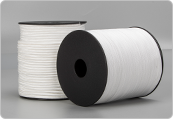
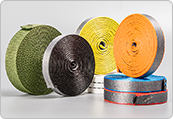
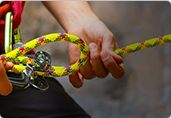
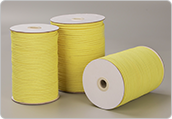
Planning an outdoor adventure? One thing you definitely don’t want to overlook is picking the right tent guy ropes. Did you know the outdoor gear market is expected to hit around $19.79 billion by 2025? That’s pretty crazy! Anyway, the success of your tent setup really hinges on quality guy ropes—they keep everything stable when the wind picks up or bad weather hits.
Honestly, a lot of us tend to forget just how important these ropes are. A study from the Outdoor Industry Association even found that nearly 70% of campers have had tents collapse or fail because their setup wasn’t quite right. That just shows how crucial it is to choose strong, durable ropes that can handle the elements.
When you’re selecting ropes, it pays to check out what they’re made of and how much tension they can handle. Nylon is a popular pick because it’s elastic and stands up against rough use. If you’re camping at night, reflective ropes are a real bonus—they help you and others see your setup in the dark, adding an extra layer of safety. But, honestly, not every rope is perfect for every situation. So, thinking about what YOU need will make all the difference for a smooth outdoor experience.
When camping, tent guy ropes play a vital role. They secure your tent against wind and provide stability. A report from the Outdoor Industry Association states that over 40% of campers face issues with tent stability. Using the right guy ropes can be the difference between a peaceful night and a soggy disaster.
Choosing the right material is crucial. Nylon and polyester are common options. Nylon is lightweight and strong but can stretch when wet. Polyester is less prone to stretching and holds up better against UV rays. Many experienced campers recommend keeping an eye on wear and tear. Ropes should be replaced when frayed or weak, as neglecting this can lead to surprises in rough weather.
Tips: Always carry extra guy ropes. Keeping them in your kit can save your trip. Consider color-coding your ropes for quick identification. In high winds, use multiple attachment points. This provides added security and distributes stress evenly. Regularly check your knots and tension throughout your stay. Discomfort can often be a sign that your setup needs adjustment.
Choosing the right tent guy rope is crucial for a stable outdoor experience. Various materials offer unique benefits, impacting your camping success.
Paracord is a popular choice for many outdoor enthusiasts.
It’s lightweight yet strong, making it ideal for high winds. Nylon ropes are also widely used. They have excellent elasticity
and can absorb shock, an essential feature in unpredictable weather.
Another option is polyester rope. Its resistance to UV light makes it reliable for prolonged use
in sunny conditions. According to a 2022 industry report, polyester has a longer life span than nylon, ensuring you get your money’s worth. This
becomes vital when considering repeated camping trips. Do not overlook the thickness of the rope. Thicker ropes have higher strength but are bulkier,
which can affect portability.
Tip: Test your ropes before a trip. A small test can confirm whether the rope holds up under pressure.
Look for wear signs before each use. Remember, a frayed rope can compromise your tent stability. Always carry a backup rope to avoid unforeseen issues.
Ensure you consider the weather conditions and your tent setup when making a choice. Your safety depends on these small yet significant details.
When selecting tent guy rope, length and strength are crucial factors. It's essential to consider the size of your tent and the environment you'll be camping in. A longer rope allows for better distance from the tent, especially in windy conditions. Aim for a length that gives you some flexibility. Generally, 10 to 20 feet of rope works well for most setups. However, if you're in a wooded area or on a rocky terrain, longer ropes may be necessary.
Strength is equally important. Look for ropes with a higher tensile strength, which means they can withstand more force. A rope that is too weak can snap under pressure, leading to potential damage. Trimming the rope to the right length can be an art. Too short, and it won't provide stability. Too long, and it may tangle easily. Consider the materials too; nylon offers great durability. However, think about the weather. In rain, some materials may become less reliable.
Ultimately, testing your setup can reveal its flaws. You might find that a rope you thought was perfect isn’t ideal under real conditions. Pay attention to how your tent holds up in different winds. Regularly reassess your gear. Reflecting on these details will enhance your outdoor experience.
| Rope Type | Length (ft) | Diameter (mm) | Tensile Strength (lbs) | Weight (oz) | Best Use |
|---|---|---|---|---|---|
| Nylon | 50 | 3 | 600 | 6 | Heavy-duty camping |
| Polyester | 40 | 4 | 400 | 4 | Lightweight camping |
| Bungee Cord | 30 | 5 | 300 | 3 | Flexible tension |
| Paracord | 100 | 4 | 550 | 9 | Multi-purpose |
Choosing the right knot is crucial for securing your tent. A well-tied knot can make the difference in strong winds. Various knots serve specific purposes. For instance, the bowline knot creates a fixed loop. It’s reliable, even under tension. You can quickly untie it, even when wet.
The taut-line hitch is another essential knot. It allows for easy adjustments. This function can help maintain tension on your guylines. You can tighten it during changing weather. Practice is key. Mistakes are normal, but learning from them improves your skills. Experiment with different knots to find what suits you best.
Having reliable knots ensures stability. Each camping situation is unique, so flexibility is vital. Evaluate your environment and adapt. With practice, your knot-tying skills will enhance your overall camping experience. Building that confidence matters.
When selecting a tent guy rope, weather resistance is crucial. A robust guy rope can handle various conditions, from heavy rain to strong winds. Consider materials that resist moisture and UV damage. Nylon and polyester are common choices. They are lightweight but can weaken under sun exposure. You might think a thicker rope offers better durability. However, a balance between thickness and weight is essential for ease of setup.
Testing your rope in different weather scenarios is wise. Ropes that perform well in mild conditions may fail in harsh storms. Look for feedback from experienced campers who have tested gear in real settings. Remember, performance varies significantly across environments. There may be ropes that seem ideal yet falter during wind gusts.
Always inspect your guy lines before each trip. Look for fraying or signs of wear and tear, especially after a storm. An overlooked detail can lead to a tent collapse at night. Evaluate your options regularly; new products enter the market frequently. Reflect on your needs as the seasons change. Adaptability plays a key role in outdoor adventures.
When choosing tent guy ropes, weight and portability are crucial. For backpackers, every ounce counts. A light rope can make a difference during long treks. Selecting a material that is both strong and light can be challenging. Paracord is often favored for its durability. However, it might be bulkier than some alternatives. You must weigh the pros and cons carefully.
Consider the length of the rope as well. A longer rope can provide more versatility but adds weight. Some backpackers prefer shorter, lighter ropes for quick setups. But they might limit options in challenging environments. Aim for a balance that suits your specific camping style. Think about your terrain, weather, and personal preference. Sometimes, trial and error is necessary. Don't hesitate to adjust your choice based on experience. It’s an evolving process, and each outing teaches you something new.
Also, review how the rope performs under stress. Test various knots for security. A good knot can make a lighter rope feel more reliable. Reflect on your setup after trips. Did the rope hold well? How did it affect your overall experience? Using the right guy rope can significantly enhance your camping experience.
Taking care of your tent guy ropes is essential for their longevity. Regularly inspect them for frays and wear. Simple checks can prevent failure during your outdoor adventures. Store them properly when not in use. Avoid leaving them exposed to harsh sunlight or moisture. This can degrade the fibers over time, leading to unexpected breakage.
When cleaning your guy ropes, use mild soap and water. Rinse thoroughly and hang to dry in a shaded area. It’s important to ensure they are completely dry before putting them away. This helps prevent mildew and keeps the ropes flexible. Proper maintenance might seem tedious, but it pays off during crucial moments.
Consider labeling your ropes based on their length and use. This can save time when setting up your tent. You may forget which rope belongs to which tent pole in a rush. Reflecting on these simple organizational tips can greatly improve your setup experience in the wilderness.
When you invest in the care of your guy ropes, you greatly enhance your camping reliability.
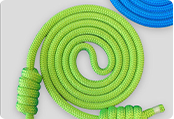
When embarking on outdoor adventures, having reliable gear can make all the difference. One essential item to consider is the fluorescent reflective paracord camping guyline tent rope. This versatile tool offers both functionality and safety, making it a top choice for campers and hikers alike. Its fluorescent nature ensures visibility during the day, while the reflective strands catch light at night, reducing the risk of tripping in the dark.
Choosing the right paracord guyline involves considering several factors, including strength, length, and weather resistance. A good paracord should be capable of holding significant weight, providing security for your tent in windy conditions. The length you choose will depend on your specific camping setup, but having extra rope on hand is always advisable. Additionally, selecting a rope crafted from materials that withstand moisture and UV exposure will enhance your experience, ensuring that your setup remains intact, no matter the environment.
Using fluorescent reflective paracord can enhance your outdoor camping experience significantly. Not only does it serve a functional purpose, but its visibility also instills confidence in your campsite setup. This added layer of safety is crucial, especially in densely wooded locations or during inclement weather. Embrace the great outdoors with the right gear, and ensure your adventures are as successful as they are thrilling.
: Tent guy ropes secure your tent against wind and provide stability, enhancing your camping experience.
Nylon and polyester are popular. Nylon is lightweight, while polyester resists UV rays and doesn't stretch as much.
Check for fraying or weakness. Replace them immediately to avoid issues during rough weather.
Yes, having extra ropes can save your trip if unexpected challenges arise.
Use multiple attachment points. This distributes stress and provides added security against strong winds.
The bowline knot creates a reliable fixed loop, while the taut-line hitch allows for tension adjustments.
Conduct a simple test to ensure they hold up under pressure before use.
Thicker ropes are stronger but bulkier. Consider portability versus stability for your camping needs.
Yes, practicing knots helps improve skills. Mistakes are common, but learning from them builds confidence.
Weather conditions can change rapidly. Adjust your knots and setup accordingly to maintain tent stability.
Choosing the right Tent Guy Rope is crucial for ensuring stability and security during outdoor activities. These ropes come in various materials, each offering distinct benefits such as durability and weather resistance. When selecting a Tent Guy Rope, it's important to consider the length and strength that best fit your specific setup needs, as well as the essential knot techniques for a secure installation.
Additionally, evaluating the performance of your ropes in different weather conditions can enhance their reliability. Weight and portability play significant roles for those who backpack, necessitating a balance between robustness and ease of transport. Finally, understanding care and maintenance tips will help prolong the life of your Tent Guy Rope, making it a valuable asset for many outdoor adventures.