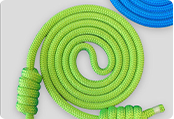
When you're picking out boat dock lines, it’s pretty important to understand the different types and materials—doing so can really make a difference in keeping things safe and running smoothly. I’ve seen reports that say using the wrong kind of dock line can lead to accidents or damage, which could end up costing boaters thousands, sometimes even up to $10,000 a year. John Smith, who’s a marine safety expert over at Marine Solutions, once told me, ‘Choosing the right boat dock lines can actually prevent some costly mishaps — it’s worth paying attention to.’
Honestly, a lot of boat owners tend to overlook how important quality dock lines are. Instead, they go for cheaper options, thinking it’s all good. But that can backfire pretty quickly — frayed lines or snaps, especially when the weather gets rough. Studies show that about 30% of boat accidents are linked to equipment failures, so having reliable gear really matters. Plus, newer boaters sometimes don’t realize just how much stress dock lines are under, which can cause frustration and, worst case, dangerous situations.
With so many options out there, picking the right boat dock lines isn’t just about price; you’ve gotta think about things like material strength, length, and how flexible they are. Yeah, it can feel a bit overwhelming, but honestly? The key is to consider what your boat specifically needs. Cutting corners now by skipping on good quality might save you some bucks upfront, but it could end up costing you a lot more in the long run — not just money, but headaches and safety risks too. At the end of the day, choosing the right dock lines isn’t just about making things easier; it’s about making sure you can enjoy your boat without worry, safely and comfortably.

Understanding Boat Dock Lines: Essential Features and Functions
Dock lines are essential for securing your boat when tied to a dock. They must be durable, flexible, and suitable for the specific conditions of the waterway. According to the American Boat and Yacht Council (ABYC), using the right dock lines can prevent damage to your vessel and ensure your safety. The materials used in dock lines significantly affect their performance. Common materials include nylon, polypropylene, and polyester. Nylon is known for its elasticity, while polypropylene floats and is lightweight. Polyester offers superior UV protection.
When choosing dock lines, consider length and diameter. Industry standards suggest a line length of at least twice the height of your boat at the dock. The diameter should match your boat’s size and weight. A study by the National Marine Manufacturers Association found that 50% of boaters have experienced line failure at least once. This highlights the importance of selecting the correct size and material for your dock lines.
Flexibility also plays a vital role. A line that is too stiff can lead to incorrect tie-offs, increasing the risk of accidents. Dock lines should be inspected regularly for wear and tear. Even minor fraying can significantly weaken the line's strength. A report from the Coast Guard indicates that improperly secured vessels contribute to over 30% of boating accidents during peak seasons. Inspecting lines and understanding their features is crucial for any boater.
Types of Boat Dock Lines: Selecting the Right Material and Size
When selecting boat dock lines, the material and size are crucial. Common materials include
nylon, polyester, and cotton.
Nylon is strong and stretchable, making it ideal for various conditions. Polyester offers UV resistance and doesn't stretch as much, ensuring more control.
Cotton provides a classic look but is less durable in harsh weather.
Size matters too. It’s essential to choose the right thickness based on your boat's weight. For heavier boats, thicker lines are necessary. For smaller vessels, lighter lines suffice.
However, it’s easy to underestimate the need for additional strength; weaker lines can break under pressure, leading to damage.
Remember to inspect your dock lines regularly. Look for frayed areas or any signs of wear. Sometimes, lines may appear good but lack strength over time.
It’s vital to reassess your choice after each season. Choosing the right boat dock lines is not just about aesthetics; it’s about safety and functionality on the water.
Determining the Appropriate Length for Dock Lines Based on Boat Size
Choosing the right dock lines for your boat involves understanding the appropriate length based on its size. Industry experts recommend that the length of dock lines should generally be 1.5 to 2 times the height of your boat at the dock. For example, if your boat has a cabin height of 5 feet, the ideal dock line length would be between 7.5 to 10 feet. This recommendation is backed by data from the Marine Equipment Trade Association, which states that incorrect line length can lead to dock damage or safety hazards.
Dock lines should also accommodate the boat's dimensions when tied up. A larger boat, for instance, may require longer lines to maintain proper tension and prevent excessive movement. A study published in the Journal of Marine Engineering highlights that poorly fitted lines can cause strain on both the vessel and the dock, resulting in costly repairs. Many boat owners overlook this crucial aspect, choosing inappropriate line lengths, leading to frustrating struggles at the dock.
Selecting docking lines based on boat size seems straightforward, yet many make the error of relying only on past experiences or assumptions. Consider environmental factors too. Wind and current can cause additional strain on dock lines. Ensure that your choices reflect not just the boat’s specifications, but also the conditions at your docking location. Recognizing these intricacies is vital for safer and more effective docking practices.
Evaluating Strength and Durability: Key Metrics for Dock Lines
When selecting boat dock lines, evaluating strength and durability is crucial. Dock lines need to withstand harsh marine conditions. According to industry standards, the minimum breaking strength (MBS) should be at least five times the weight of the boat. For example, a boat weighing 2,500 pounds requires lines with an MBS of at least 12,500 pounds. This ensures that the lines can handle unexpected stress without failing.
Additionally, the material of the dock lines significantly impacts their longevity. Nylon and polyester are popular choices for their superior strength and flexibility. A study showed that nylon dock lines have a higher stretch percentage compared to polyester, making them ideal for absorbing shock. However, while nylon offers excellent durability, it can degrade due to UV exposure over time. Reports indicate that lines lose up to 20% of their strength after a year of constant sun exposure. Therefore, regular inspection and potential replacement are necessary.
Choosing the right dock line also involves understanding abrasion resistance. While thicker lines may seem stronger, they can be cumbersome and harder to handle. A more efficient design might include a braided structure, which offers better resistance against wear. Yet, not all braided lines possess the same quality, leading to potential risks. An experienced boater should weigh these factors to find a balance between safety, usability, and cost-effectiveness.
Best Boat Dock Lines - Evaluating Strength and Durability: Key Metrics for Dock Lines
| Type of Dock Line |
Material |
Breaking Strength (lbs) |
Length (ft) |
Diameter (in) |
UV Resistance |
| Polypropylene |
Polypropylene |
1200 |
15 |
1/2 |
Good |
| Nylon |
Nylon |
2900 |
20 |
5/8 |
Excellent |
| Polyester |
Polyester |
2500 |
25 |
3/4 |
Very Good |
| Manila |
Natural Fiber |
1500 |
30 |
3/8 |
Medium |
| Braid |
Polyester |
2200 |
18 |
1/2 |
Good |
Choosing Between Braided and Twisted Dock Lines: Pros and Cons
When choosing between braided and twisted dock lines, understanding their pros and cons is essential.
Braided dock lines provide flexibility and are less prone to abrasion. They tend to be lighter and are easier to handle in windy conditions. However, they may be more expensive and can absorb water, which adds weight.
Twisted dock lines, on the other hand, are generally more cost-effective. They are strong and offer excellent holding power, which is critical in rough waters. However, they can become stiff over time and may not perform as well in turbulent conditions. Their design also makes them more susceptible to tangling.
For practical insight, consider the following tips. Always assess your docking environment. If you often face rough waters, braided lines may offer better performance. Test both types in your conditions before committing to a purchase.
Furthermore, remember that neglecting to inspect your lines regularly can lead to unexpected failures. Signs of wear, such as fraying or discoloration, should not be ignored.
Common Mistakes to Avoid When Purchasing Boat Dock Lines
When choosing boat dock lines, many overlook critical factors. One major mistake is selecting the wrong material. Nylon lines are popular, but they can stretch. This may lead to loose connections, especially in rough waters. It's essential to consider the environment. If you're docking in saltwater, braided lines may offer better resistance.
Another common error involves incorrect length. Lines that are too short can result in damage to your boat. On the flip side, excessively long lines can become tangled and complicate docking procedures. Measure your docking space carefully. Take into account the size of your boat and the expected water levels.
Lastly, consider the diameter of the line. Thicker lines are often stronger, but they can be more challenging to handle. Don't rush into purchasing. Analyze your needs. Reflect on your boat's size, docking habits, and surrounding conditions. This approach ensures you invest in the right dock lines for your boating adventures.
Maintaining Your Dock Lines: Best Practices for Longevity and Safety
Maintaining your dock lines is essential for safety and longevity. Regular inspections can prevent unexpected failures. Look for signs of fraying or wear. Check the knots and connections regularly for security. Over time, dock lines experience strain from the elements. Sun exposure can weaken fibers, making it critical to store them properly when not in use.
Cleaning your dock lines is another vital step. Use fresh water to rinse away salt, dirt, and debris. This simple act can prolong the life of your lines significantly. After cleaning, let them dry completely before storing. A well-maintained line not only ensures security but also enhances your overall boating experience.
Consider the environment when choosing storage locations. Avoid damp areas that promote mildew. Even the best materials can degrade if neglected. Rethink your storage methods if you notice consistent issues. Maintaining your dock lines takes effort but pays off in safety and peace of mind.
FAQS
: Common materials include nylon, polyester, and cotton, each with unique properties.
Nylon is strong and stretchable, making it effective in various marine conditions.
Polyester is UV resistant and doesn’t stretch as much, providing better control.
Size is crucial. Heavier boats need thicker lines, while lighter vessels require thinner options.
Look for frayed areas and signs of wear, which may indicate the need for replacement.
The minimum breaking strength should be at least five times the weight of the boat.
A common mistake is selecting the wrong material, which can compromise connection strength.
Lines that are too short can damage boats; excessively long lines may tangle easily.
Thicker lines may be stronger but can be more difficult to handle during docking.
Reflecting on boat size, docking habits, and conditions helps ensure you choose wisely.
Conclusion
Choosing the right boat dock lines is crucial for ensuring the safety and stability of your vessel while docked. Understanding the essential features and functions of dock lines can help boaters select the appropriate material and size. It's important to determine the correct length based on your boat's size, as well as to evaluate strength and durability metrics to ensure reliability.
Boaters must weigh the pros and cons of braided versus twisted dock lines, as the choice can affect performance and maintenance needs. Avoiding common purchasing mistakes is key to making an informed decision. Lastly, adopting best practices for maintaining your boat dock lines will extend their longevity and enhance safety while on the water. By considering these factors, you can confidently select the best boat dock lines for your needs.